


Photographer
Rick Billings, Master Photographer
Orlando, Florida
I've been a professional photographer since I graduated high school in 1978. I'm bringing over four decades of professional photography experience and offering images I captures as beautiful display prints in your home or office.
Collections
All photos by Rick Billings, Master Photographer
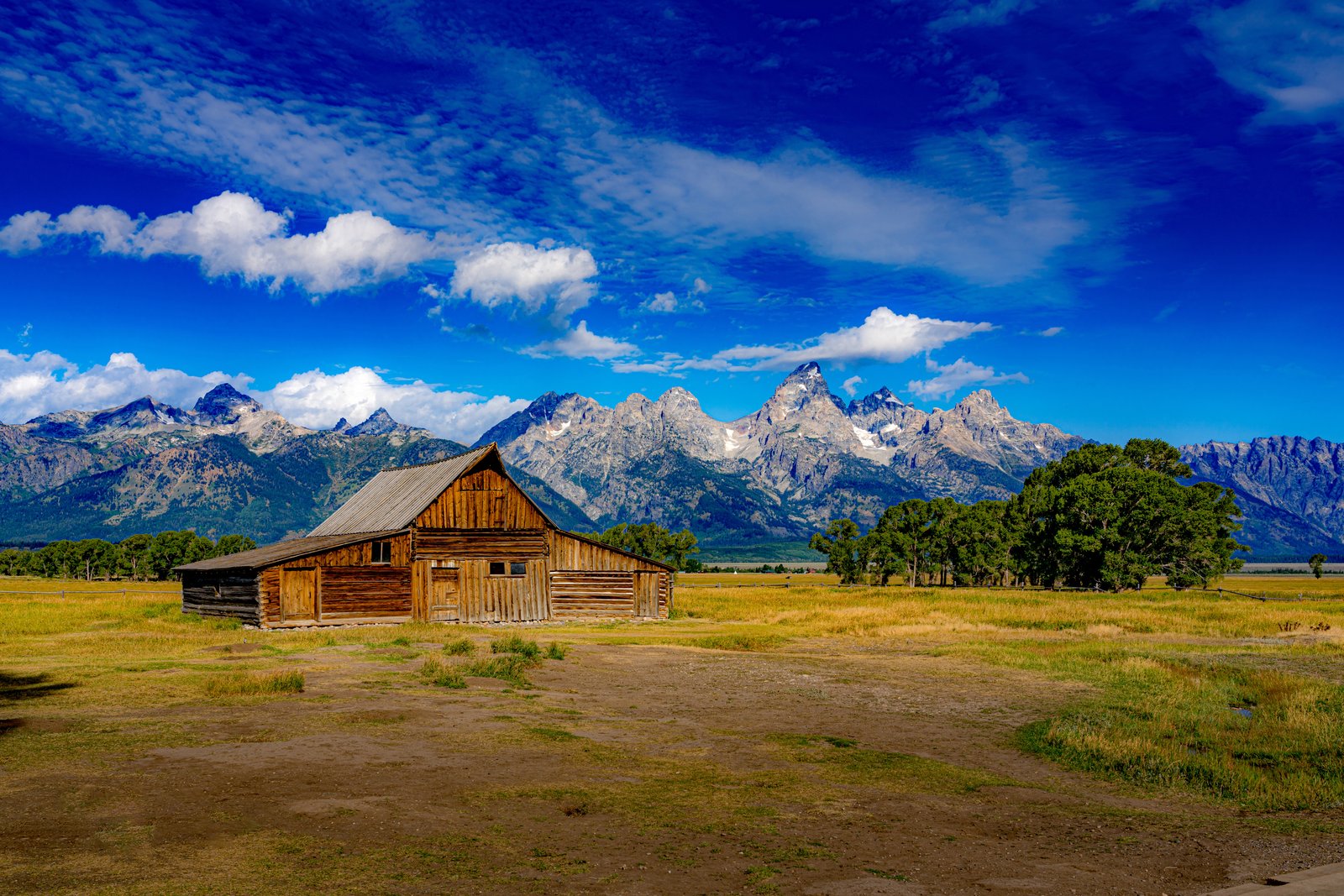
T.A. Moulton Barn, Mormon Row within Grand Teton National Park in Wyoming
It is widely celebrated as one of the most photographed barns in the United States. Key Features of the Location: The Historic Site: The homestead barn was constructed between 1912 and 1945 by Thomas Alma Moulton, one of the Mormon pioneers who originally settled the area. The Backdrop: The structure stands against the jagged peaks of the Teton Range, with the prominent, pointed peak of Grand Teton looming directly behind it. Mormon Row Historic District: This area is a designated historic district on the National Register of Historic Places, featuring a cluster of early 20th-century homesteads that offer a glimpse into the region's agricultural history.
Prints from $14Downloads from $19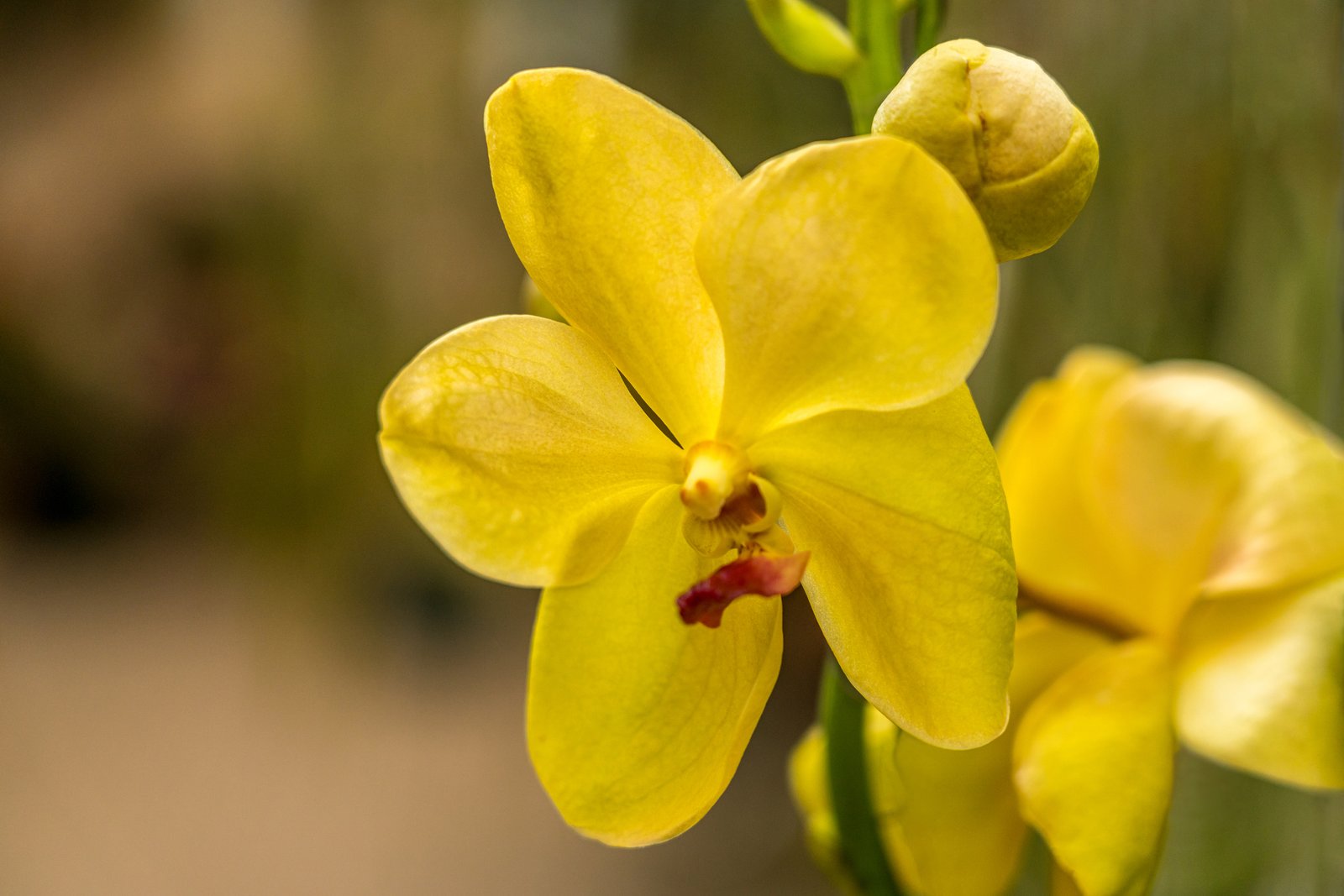
Yellow Orchid
This close-up study captures a cluster of yellow orchid blooms, likely a Mokara or Vanda-type hybrid, photographed at macro range so the waxy, veined petals and the small red-and-yellow lip at the flower's center fill most of the frame. A soft, blurred background of green foliage and warm tones suggests a greenhouse or tropical garden setting typical of where these vandaceous orchids are cultivated, most often across Southeast Asia. Key Features: The Flower Form: Five broad, ruffled petals surround a compact lip, a structure typical of vandaceous orchids bred for showy, long-lasting blooms. The Color: Vibrant golden yellow petals contrast with a deep red-streaked lip, a common pattern among Mokara and Ascocenda hybrids. The Growing Habit: These orchids grow in a monopodial fashion, producing flower spikes along a single upright stem rather than from pseudobulbs. The Setting: The soft, warm-toned backdrop points to a tended garden or greenhouse environment favoring the heat and humidity these tropical hybrids require.
Prints from $14Downloads from $19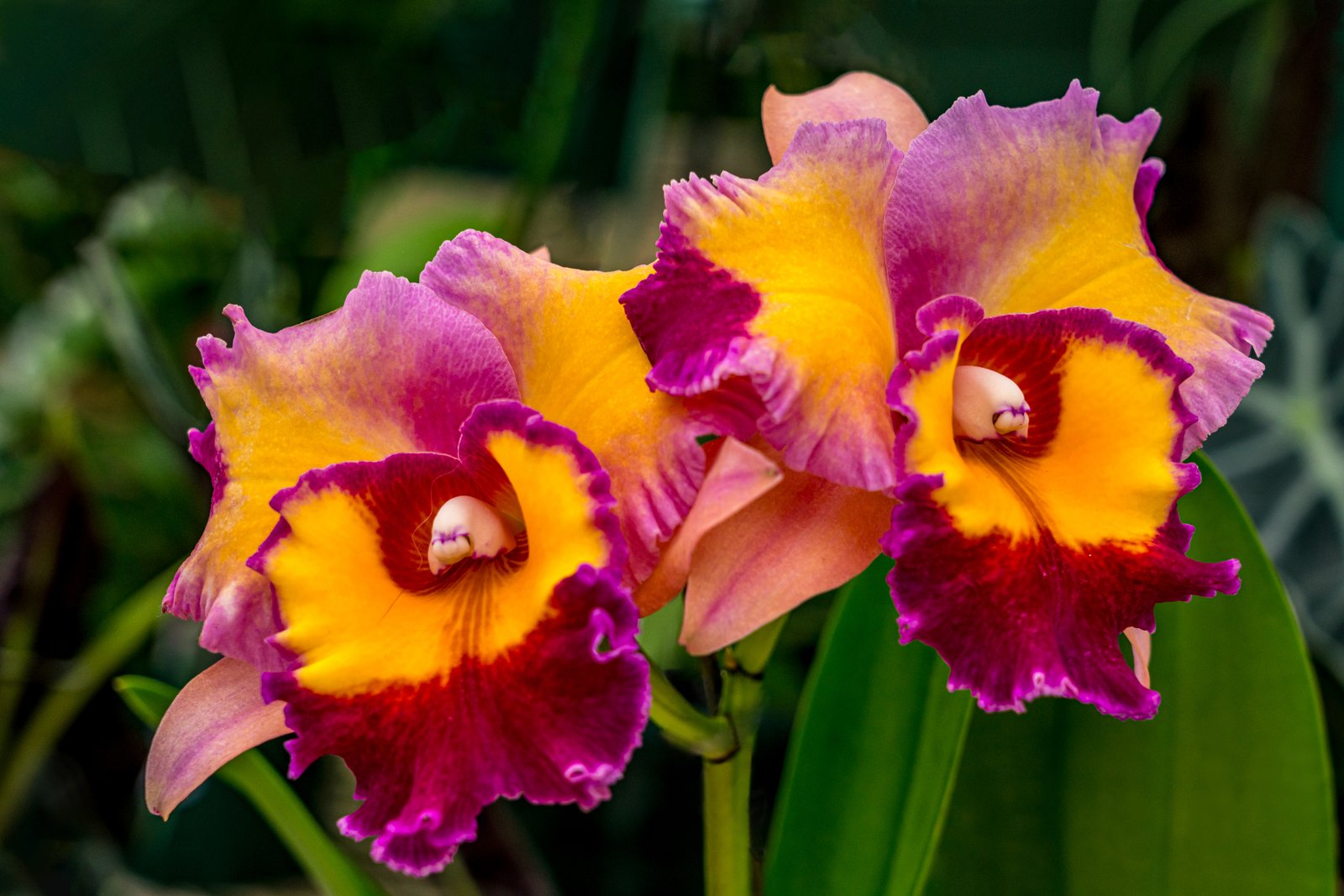
Fire Orchid
This close-up captures a cluster of Cattleya-type orchid blooms, almost certainly a modern hybrid bred for its fiery color combination and heavily ruffled form. The frontal vantage point looks straight into each flower's flared, trumpet-shaped lip, where the pollen-bearing column sits exposed at the throat, with soft green foliage blurred behind in what appears to be a greenhouse or garden setting. Key Features: The Color Pattern: Orange-yellow petals shade into ruffled magenta-purple edges, deepening to a maroon-red throat around the lip, a classic fire-toned combination prized in show hybrids. The Genus: Cattleya orchids thrive across Central and South America at various elevations, from sea level to mountainous regions. The Diversity: The genus has over 50 species and thousands of hybrids, allowing growers to select plants that flower nearly every month of the year. The Cultural Status: The name "faire catleya" also symbolizes their regal status among orchid flowers.
Prints from $14Downloads from $19
US Capital
This photograph captures the United States Capitol Building in Washington, D.C., framed from the west lawn across the Capitol Reflecting Pool at the foot of the National Mall. The equestrian statue in front of the dome is part of the Ulysses S. Grant Memorial, honoring the Civil War general and 18th president of the United States, which sits at the base of Capitol Hill below the west front of the Capitol. The building's white dome and columned facade rise above manicured lawns and mature trees, doubled perfectly in the still water below. Key Features: The Capitol Dome: A cast iron dome topped by the Statue of Freedom, the defining silhouette of the seat of the United States Congress. The Grant Memorial: Its central sculpture of Grant on horseback faces west, overlooking the Capitol Reflecting Pool and facing toward the Lincoln Memorial, which honors Grant's wartime president, Abraham Lincoln. The National Mall: The reflecting pool marks the eastern terminus of this ceremonial park stretching toward the Lincoln Memorial. The Vantage Point: Shot from the pool's edge, using the mirrored water to double the grandeur of the facade and sky.
Prints from $14Downloads from $19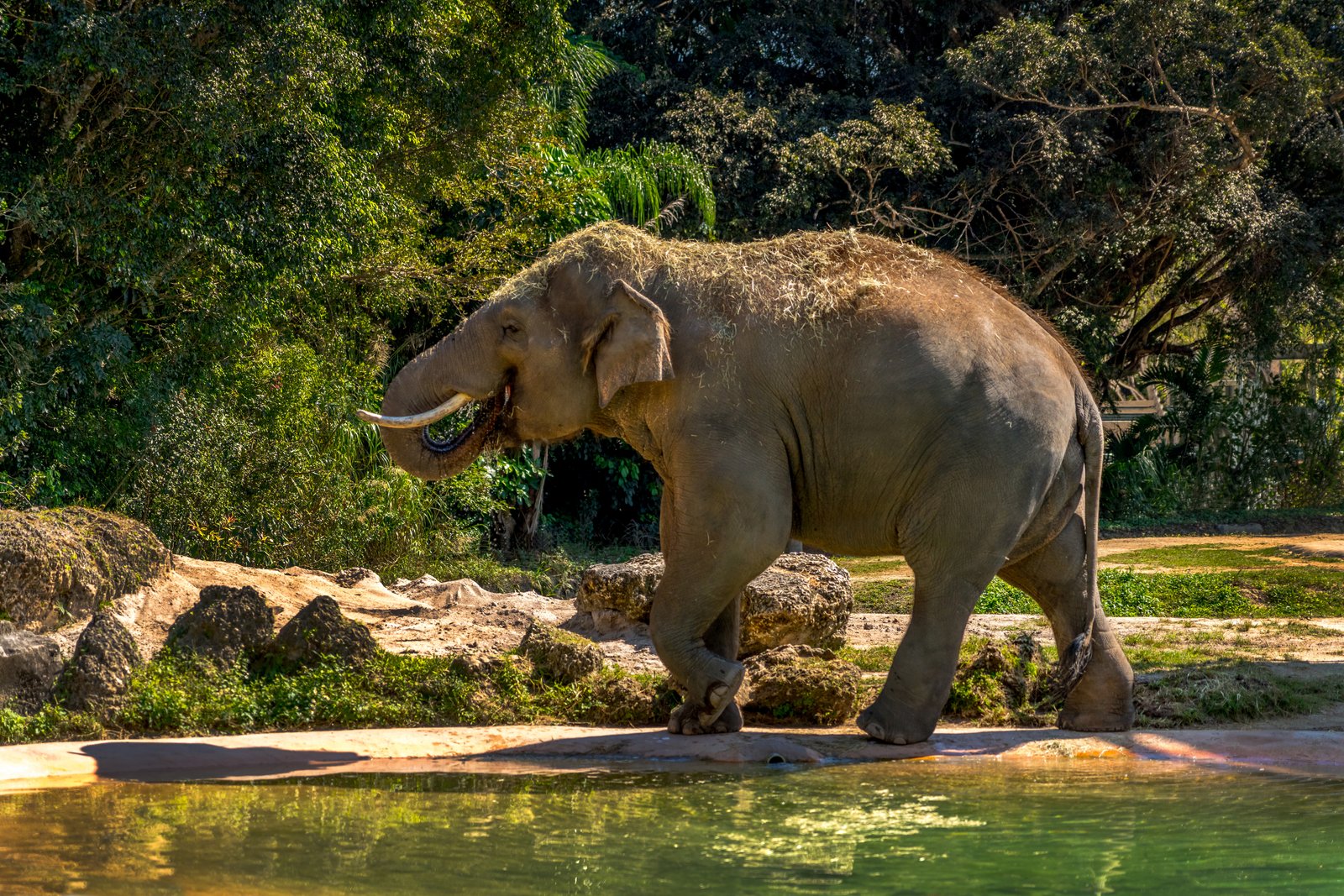
Elephant
This photo shows an Asian elephant walking beside a pool of water within a lush, landscaped enclosure, most likely at a zoo or wildlife park in a warm climate. The elephant, with hay scattered across its back and visible tusks, moves along a rocky bank bordered by dense tropical trees and greenery, with sunlight catching its hide as it heads toward the water's edge. Key Features: The Species: Asian elephants are recognizable by their smaller, rounded ears and the presence of tusks in some males, distinguishing them from their African cousins. The Setting: The dense palms, broadleaf trees, and constructed rock features indicate a curated habitat designed to mimic the elephant's native tropical range. The Behavior: Elephants frequently visit water sources to drink, bathe, and cool themselves, an essential part of their daily routine in captivity and the wild alike. The Moment: The soft, angled light and the elephant's mid stride pose capture an unposed, natural instant of daily life in its enclosure.
Prints from $14Downloads from $19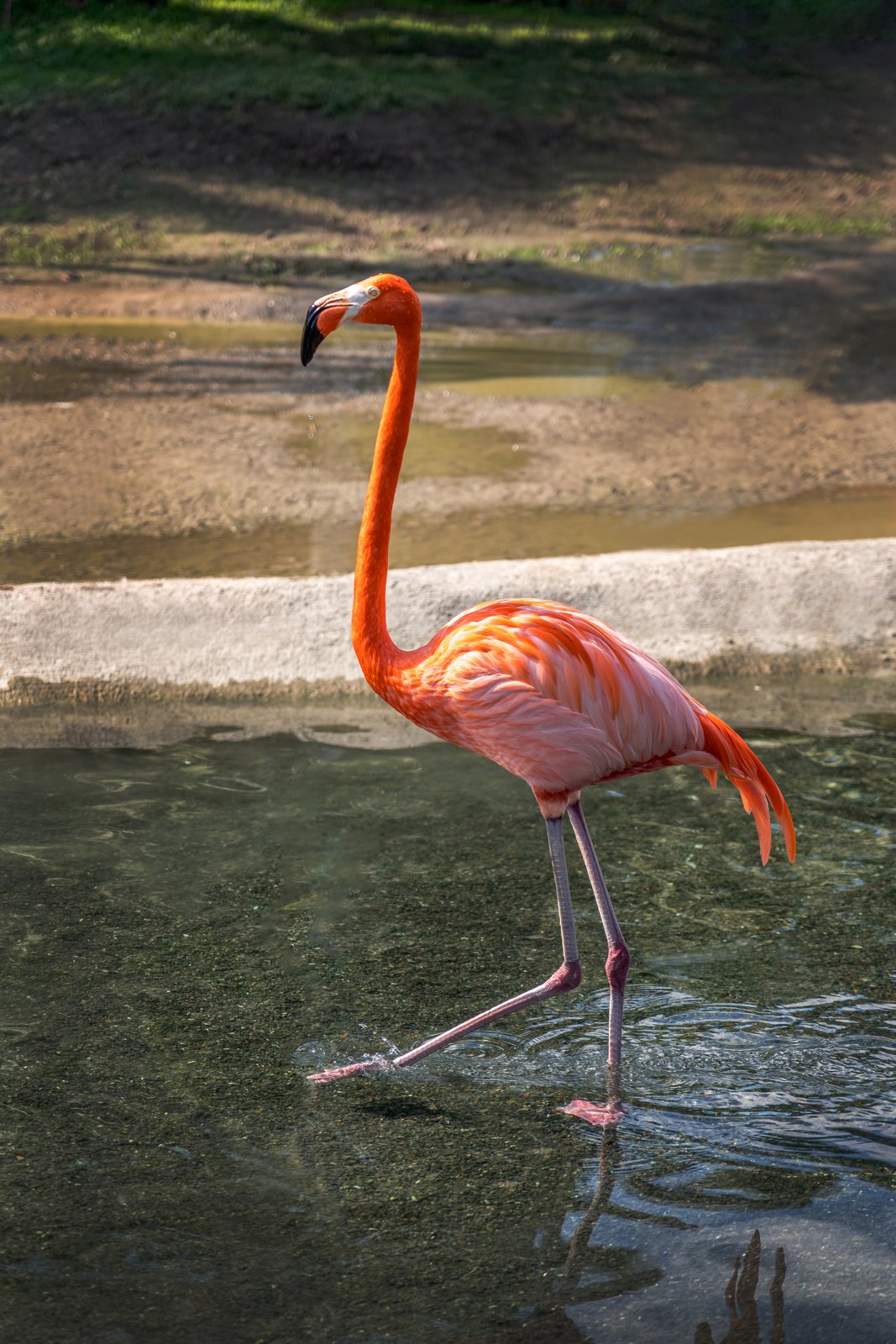
Flamingo
This photograph captures a single American flamingo wading through shallow water in a managed pool, its concrete edging and mown grass bank suggesting a zoo or wildlife park habitat rather than a wild wetland. Shot at a low, close vantage point, the frame highlights the bird's curved neck, hooked black-tipped bill, and one leg lifted mid-stride, with soft ripples and a faint reflection breaking the water's surface. Key Features: The Species: This is an American flamingo, Phoenicopterus ruber, distinguished from other flamingo species by its especially vivid reddish pink plumage. The Coloring: The bird's plumage transitions from a paler hue during youth to the iconic pink of adults, a result of pigments derived from its diet. The Range: It is the only flamingo which naturally inhabits North America, with wild populations centered in the Caribbean, coastal Mexico, and northern South America. The Feeding Behavior: American flamingos are filter feeders that use their bent bills and stirring feet to sift small aquatic organisms from mud and shallow water.
Prints from $14Downloads from $19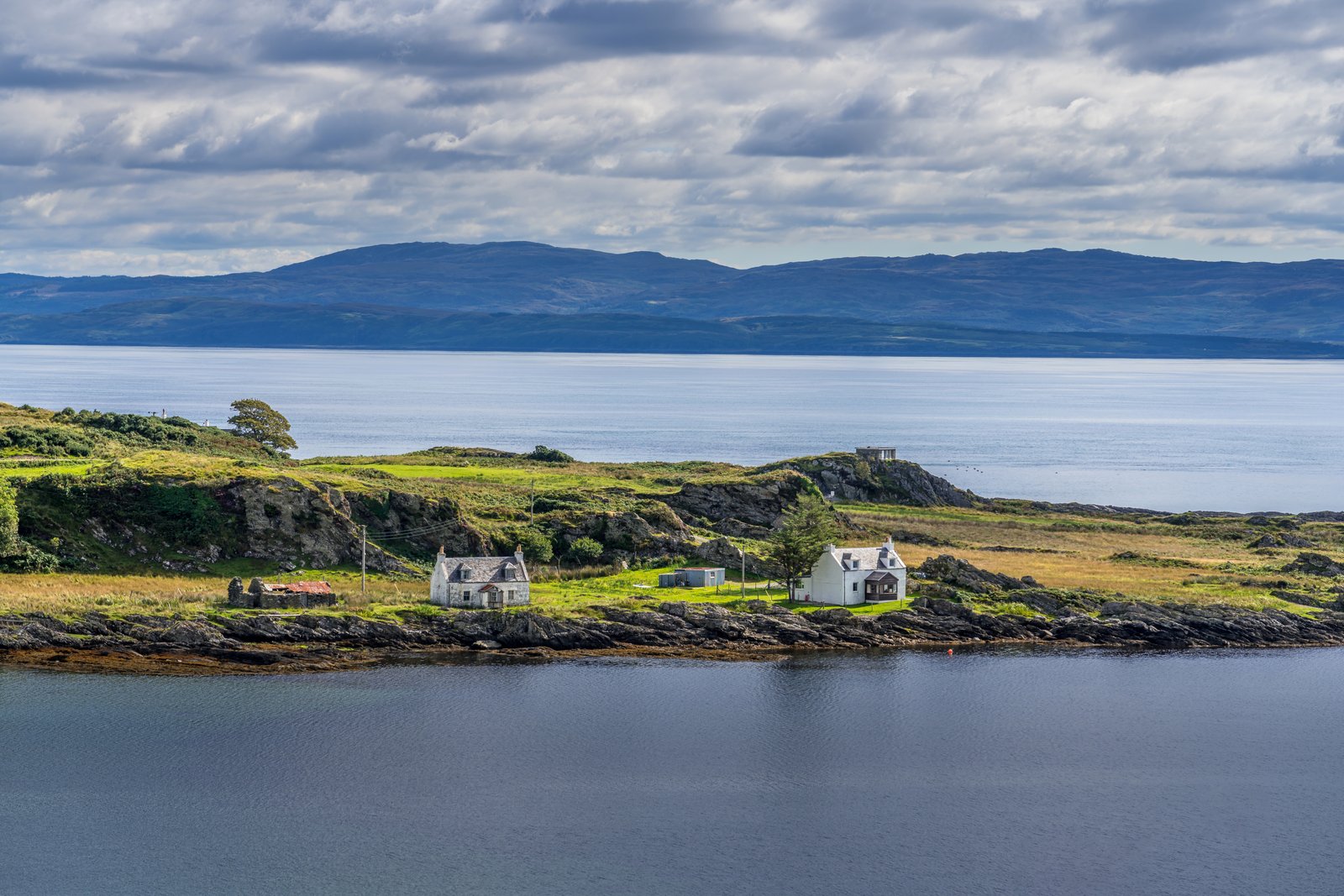
Jura Scotland
This photograph looks across a channel of sheltered water on the Isle of Jura, in Scotland's Inner Hebrides, toward a low rocky headland where two whitewashed cottages stand above the shore. Beyond them a wider sound separates Jura from higher hills on the horizon, and a heavy sky of layered cloud stretches over the quiet, thinly settled coastline. Key Features: The Setting: Jura is one of the most sparsely populated of the Inner Hebrides, with a single narrow road and far more red deer than people. The Landscape: Its wild, boggy interior rises to the quartzite peaks known as the Paps of Jura, while scattered crofts and farmhouses like these line the shoreline. Notable History: The island's isolation once drew George Orwell, who wrote much of Nineteen Eighty-Four while living in a remote farmhouse on Jura's northern coast.
Prints from $14Downloads from $19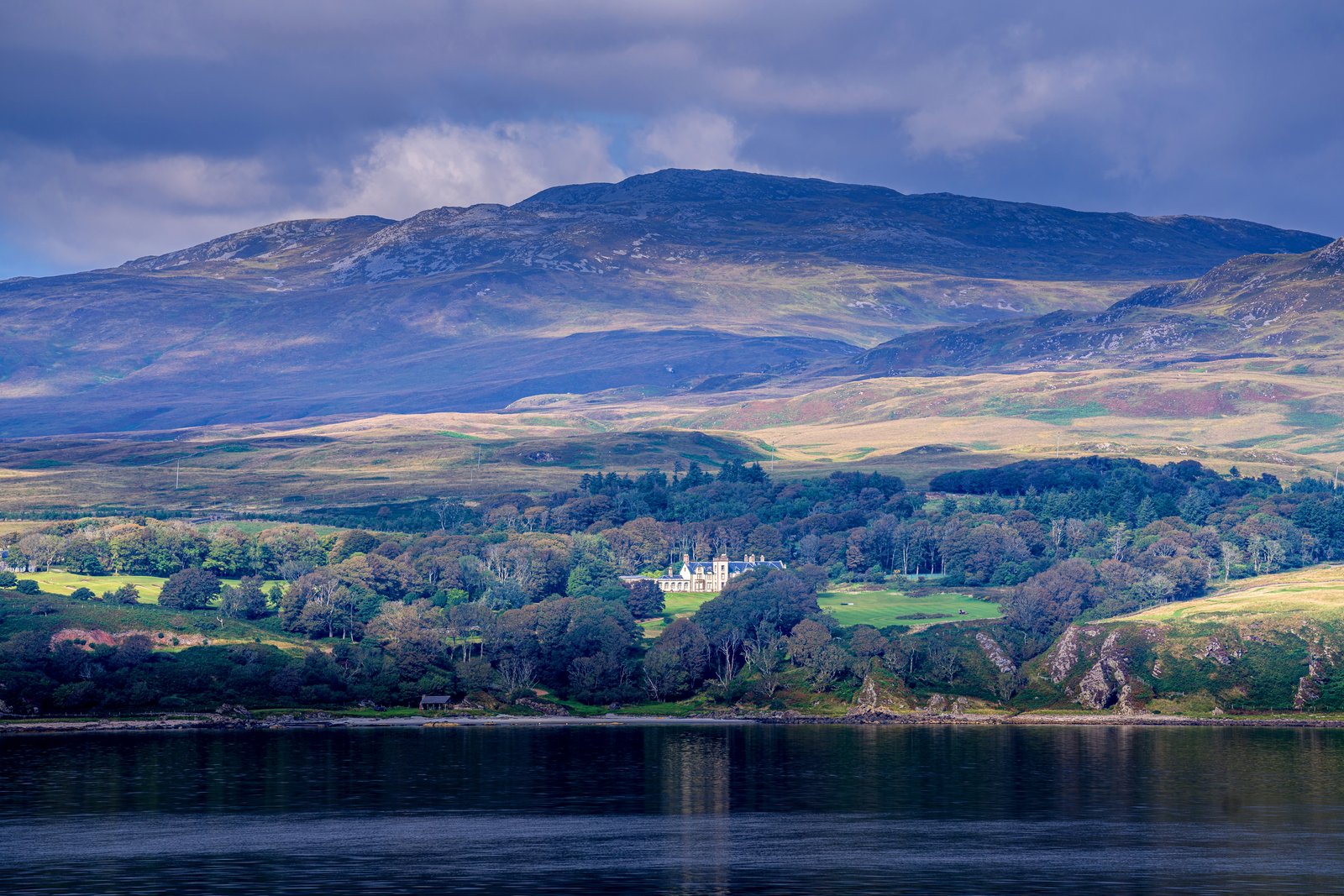
Scotland
Prints from $14Downloads from $19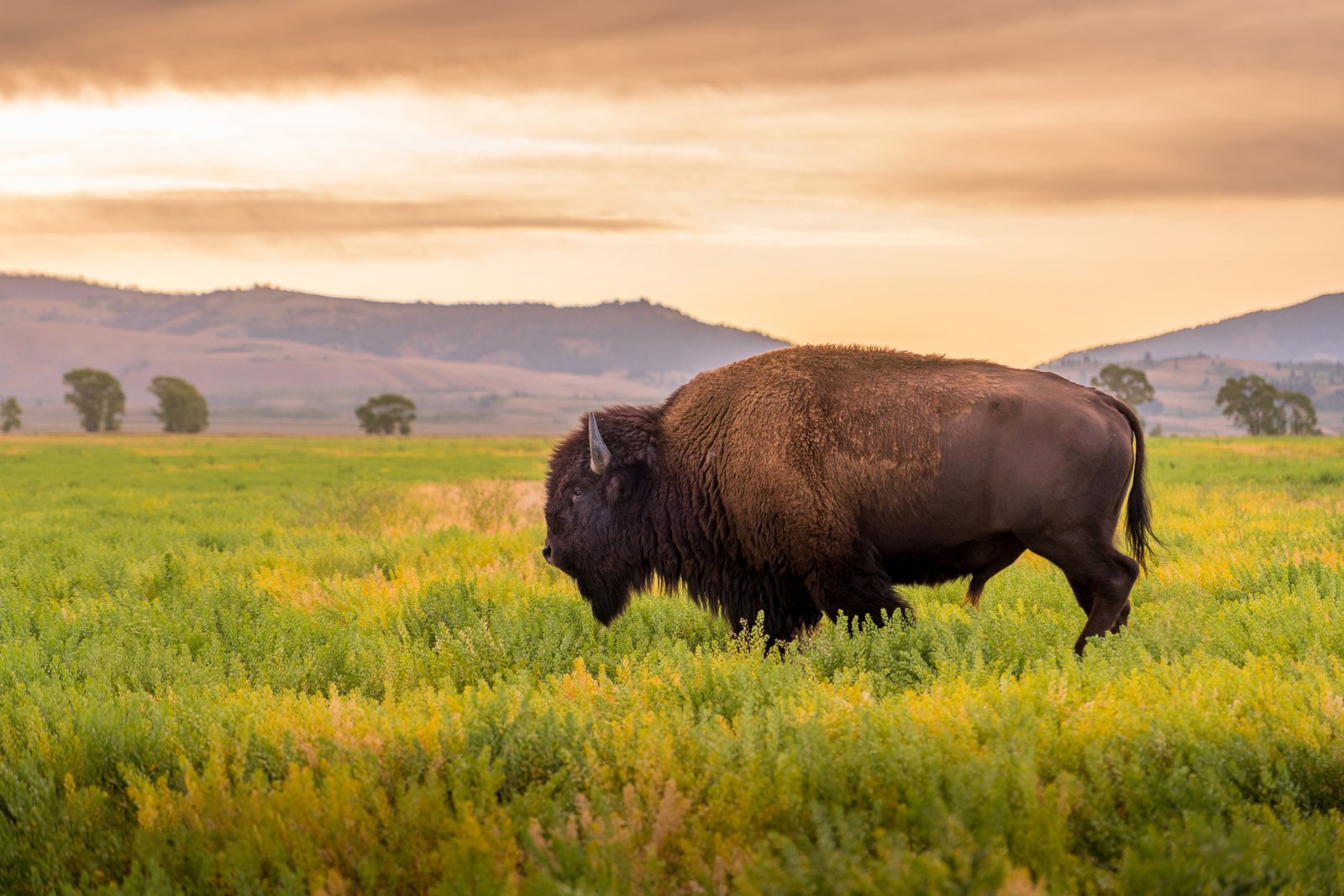
Wild Bison grazing in the Yellowstone National Park in Wyoming
While a specific, exact pinpoint is difficult due to the wide, open landscape, the wide valley floors, surrounding rolling hills, and sagebrush plains are highly characteristic of Yellowstone's northern range. Key Contextual Features: The Subject: This is an American bison (Bison bison). Yellowstone is famous for hosting the oldest and largest public herd of bison in the United States. The Habitat: The open grassland valley ringed by distant, pine-dotted mountains perfectly matches the topography of the park's major valley floors, which serve as prime grazing territories for thousands of bison. The Lighting: The warm, golden hue across the sky and landscape indicates either sunrise or sunset, which are peak activity times for wildlife observation in these valleys.
Prints from $14Downloads from $19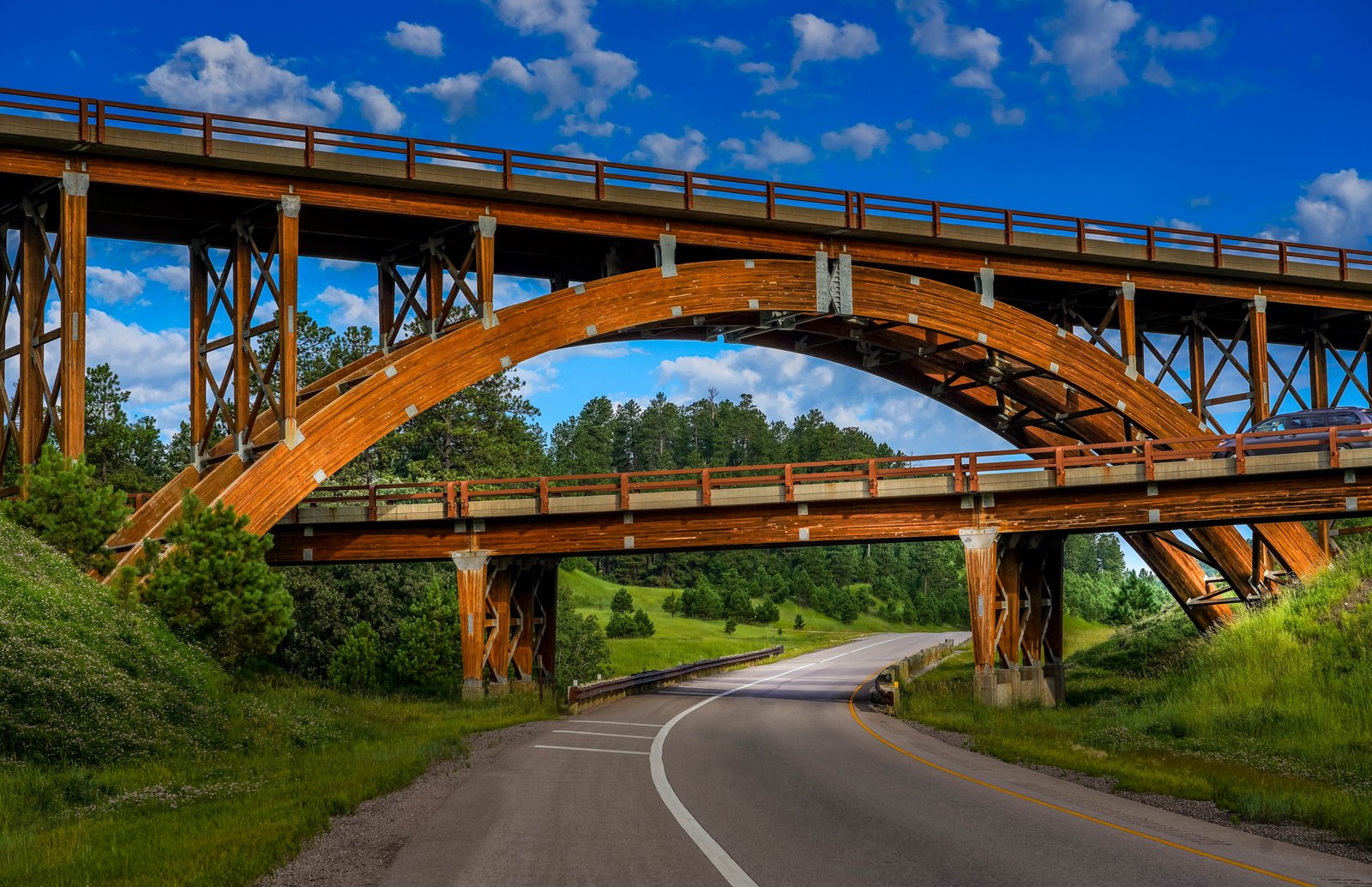
Keystone Wye Interchange, a famous architectural landmark located in the Black Hills of South Dakota
This three-level directional interchange serves as a gateway to major tourist sites, connecting U.S. Route 16 and U.S. Route 16A just north of the town of Keystone. Key Features of the Structure:The Architecture: Built between 1967 and 1968, the interchange is famous for its two interlocking bridges supported by massive glued-laminated timber ("glulam") arches. The Design Philosophy: The engineers chose a timber-framed architectural style specifically to blend seamlessly with the natural evergreen forest environment of the surrounding Black Hills National Forest. Route to Landmarks: If you are driving underneath this high arch along the road pictured, you are traveling southwest directly toward Keystone and Mount Rushmore National Memorial.
Prints from $14Downloads from $19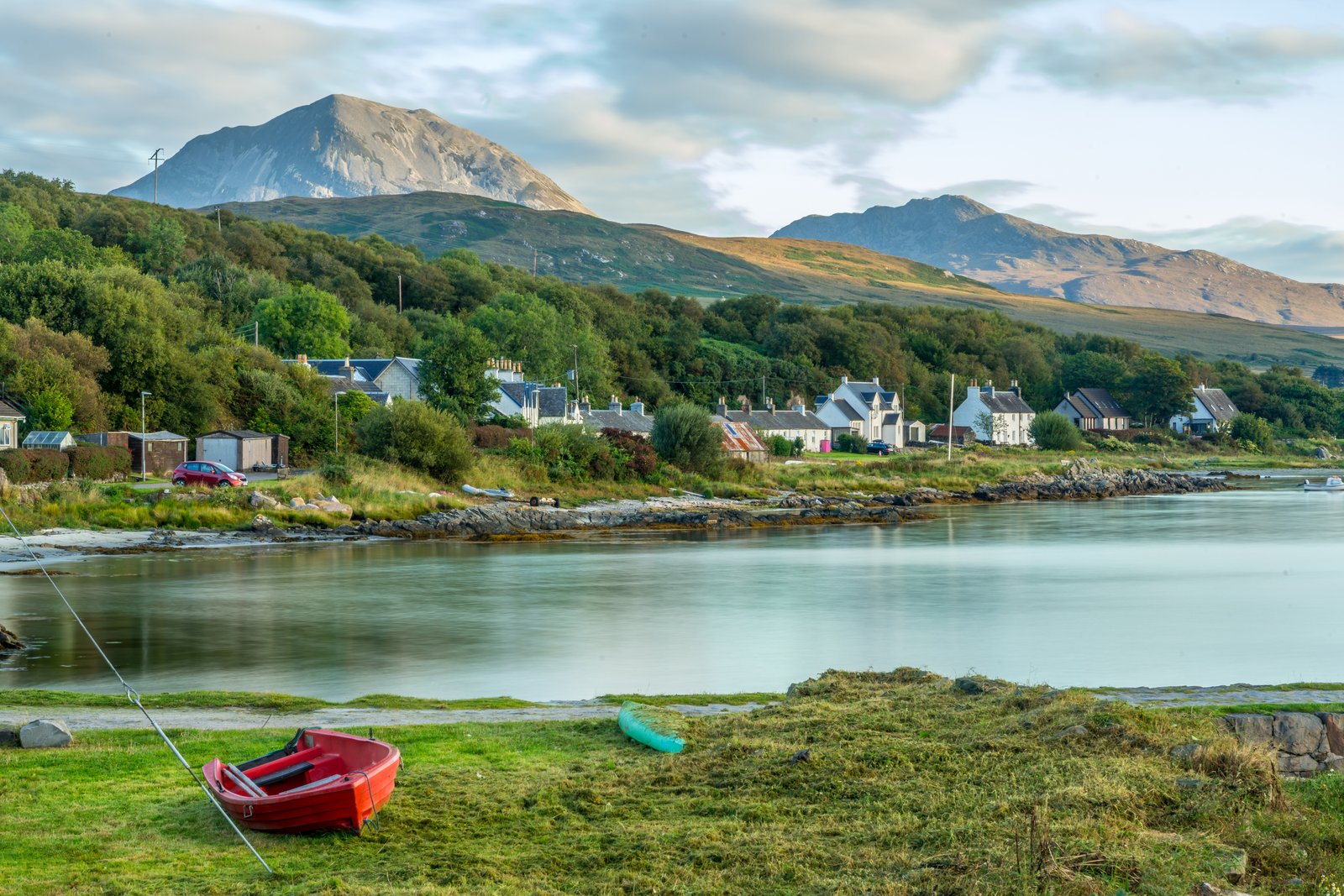
Coastal Village of Craighouse on the Isle of Jura in Scotland
The view looks across the bay of Loch na Mile toward the white-painted stone cottages and houses that line the village's waterfront. Dominating the background landscape are the distinctive, conical quartzite peaks known as the Paps of Jura. Craighouse serves as the main settlement and primary hub on the island, housing the famous Jura Distillery, the island's single hotel, and its local shop. Would you like to know more about the Paps of Jura hiking routes, or are you interested in how to catch the ferry to Jura from neighboring Islay?
Prints from $14Downloads from $19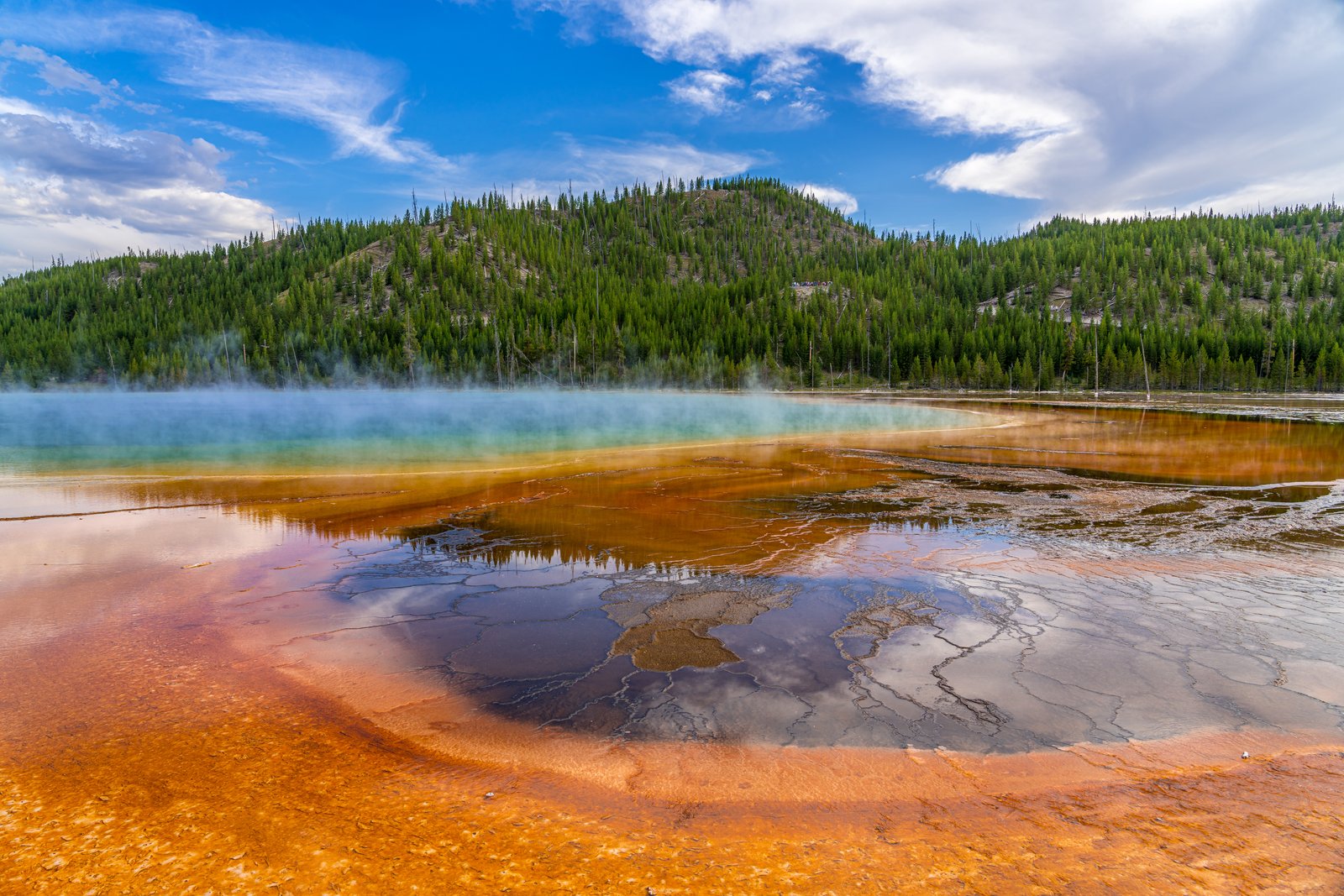
Grand Prismatic Spring, Midway Geyser Basin of Yellowstone National Park in Wyoming
It is the largest hot spring in the United States and the third largest in the world. Key Features of the Spring: The Brilliant Colors: The deep blue center is caused by the depth and absolute purity of the water absorbing red wavelengths of light. The vivid yellow, orange, and red bands radiating outward are formed by vast mats of thermophilic (heat-loving) bacteria growing in the cooler, shallow edges. The Scale: The spring stretches roughly 370 feet (110 meters) across and plunges to a depth of over 120 feet (37 meters), constantly discharging a massive volume of scalding water into the nearby Firehole River. The Viewpoint: This ground-level perspective highlights the delicate, terraced bacterial mats and steam rising off the water, set against the backdrop of the park's characteristic lodgepole pine forests.
Prints from $163Downloads from $19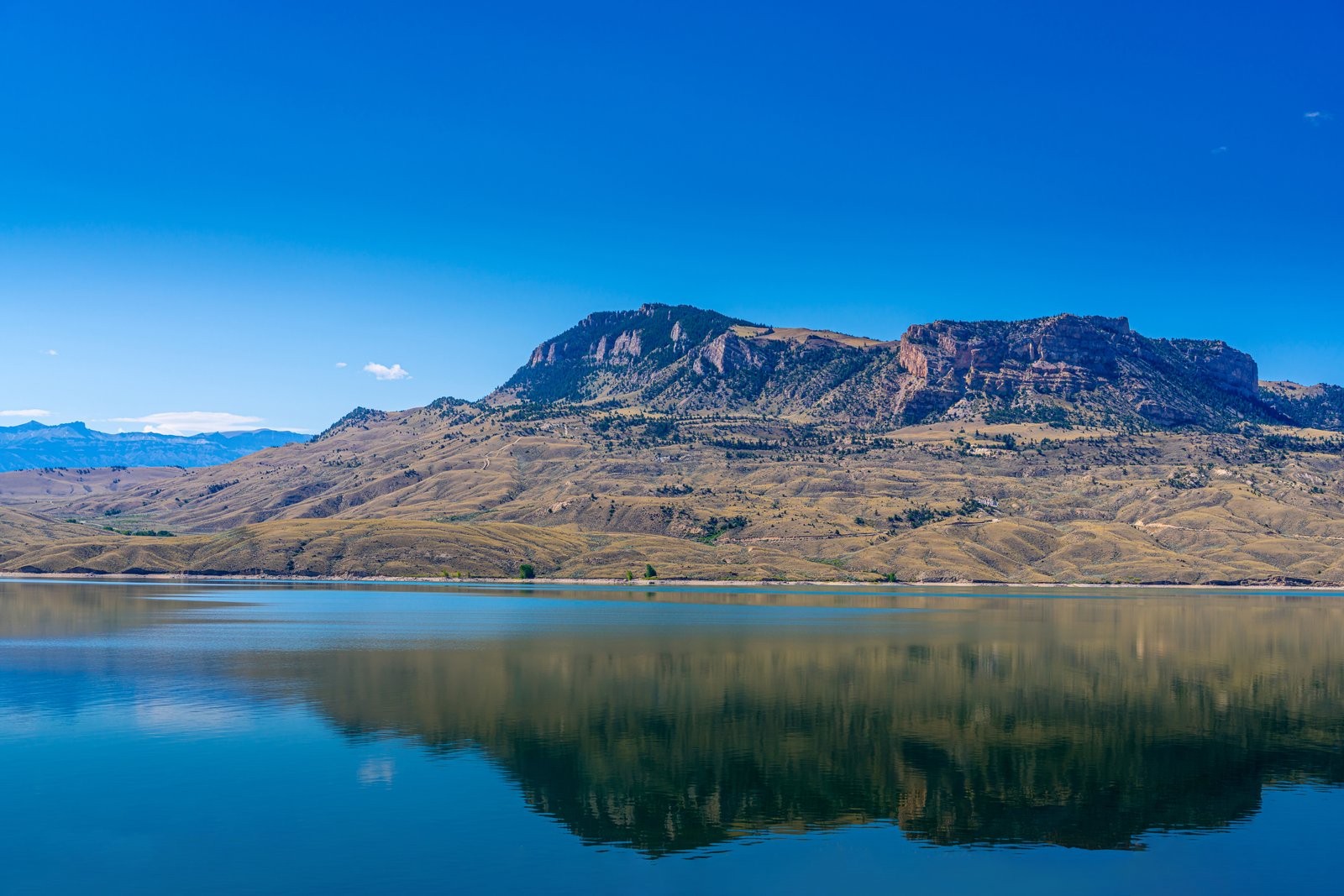
Bighorn Canyon National Recreation Area, border of Wyoming and Montana
he specific view highlights the high canyon walls and distinctive layered sedimentary rock strata of the northern Bighorn Mountains, which reflect clearly across the deep blue water of the reservoir. Key Features of the Area: The Reservoir: Bighorn Lake was created by the construction of the Yellowtail Dam on the Bighorn River in 1965. It stretches for over 71 miles, cutting directly through the dramatic rock formations. The Geology: The massive exposed limestone cliffs visible in the background showcase millions of years of geological history, drawing researchers and outdoor enthusiasts alike to study the stark, arid canyons of the region. Recreation: The water sits within the Bighorn Canyon National Recreation Area, a popular destination for boating, fishing, viewing wild horses, and exploring steep hiking trails along the canyon rims.
Prints from $14Downloads from $19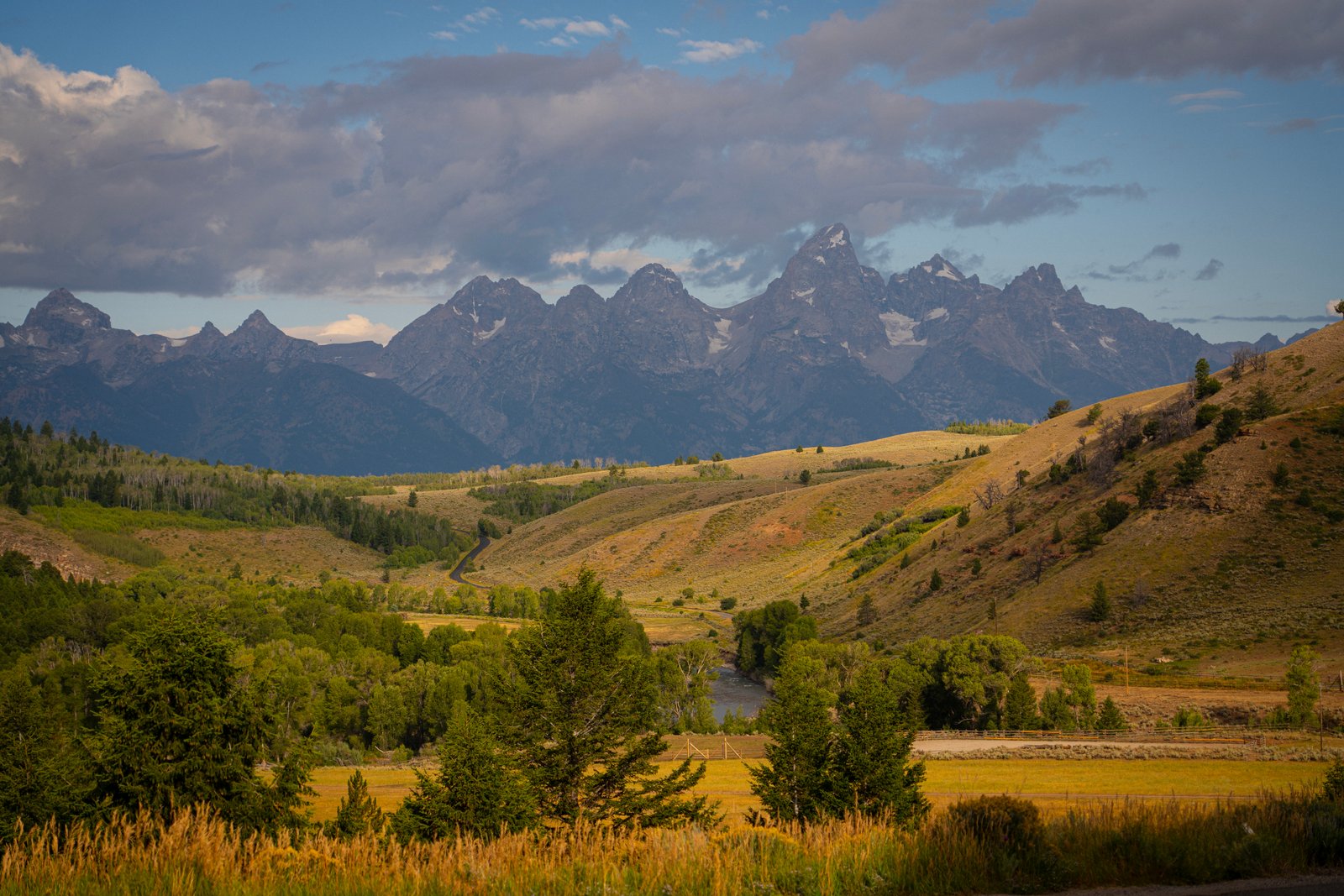
Schwabacher Landing area near the Teton Range in Grand Teton National Park, Wyoming
The view captures the winding Snake River valley in the middle ground, framed by the rolling, sagebrush-covered hills and groves of cottonwood trees characteristic of the park's eastern boundary. In the background, the jagged, prominent peaks of Grand Teton, Mount Owen, and Teewinot Mountain dominate the skyline under a dramatic, cloudy sky.
Prints from $14Downloads from $19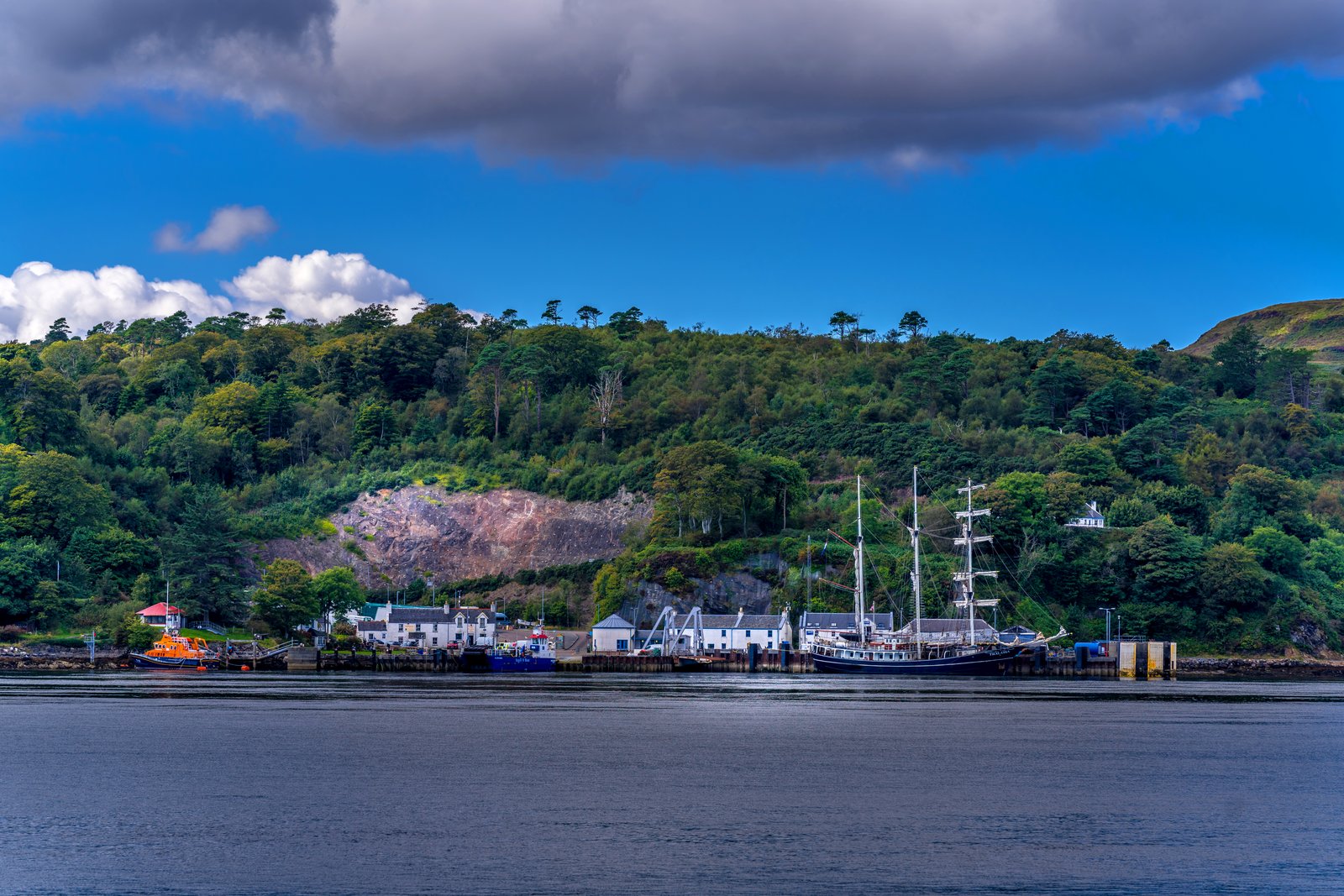
Tobermory Harbour on the Isle of Mull in Scotland
Specifically, the view shows the CalMac Ferry Terminal pier area and the RNLI Tobermory Lifeboat Station (the small slipway structure on the left side) along the wooded banks of the Sound of Mull. Moored at the pier is the prominent Dutch barquentine-rigged tall ship known as the Thalassa.
Prints from $14Downloads from $19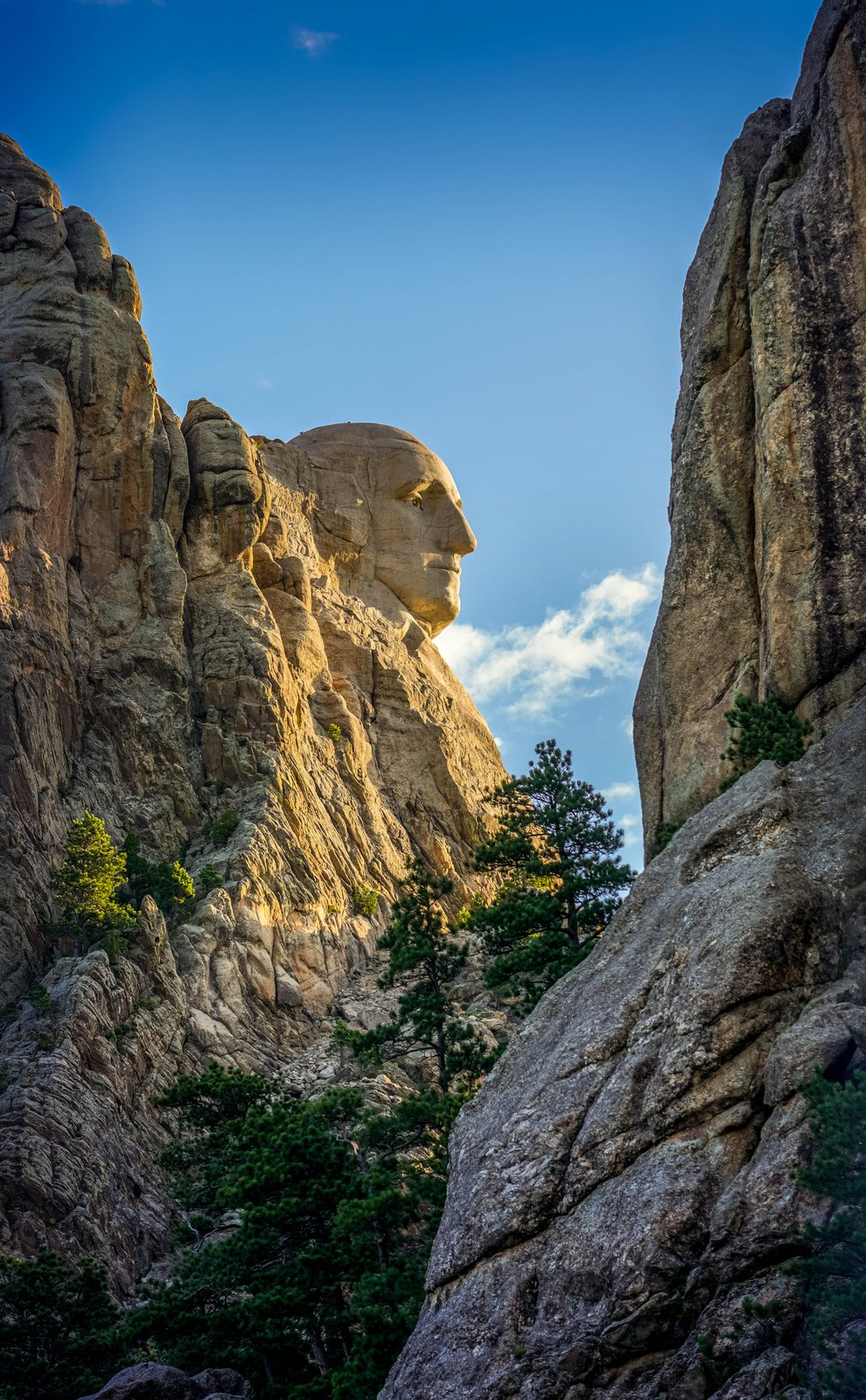
Unique Profile George Washington at Mount Rushmore National Memorial, Black Hills, South Dakota
While most travelers view the monument directly from the Grand View Terrace, this specific shot is taken from a profile perspective—likely along the Presidential Trail or the historic flume trail area—where the surrounding granite canyons frame the sculpture from the side. Key Features of the Memorial: The Profile View: From this angle, only George Washington’s face is visible in crisp detail, highlighting the precision of sculptor Gutzon Borglum's work on the granite cliffside. The Scale: The carved face stands roughly 60 feet (18 meters) high, towering over the surrounding ponderosa pine forests and rugged rock formations of the Black Hills. The Context: Carved between 1927 and 1941, the monument also features Thomas Jefferson, Theodore Roosevelt, and Abraham Lincoln just out of view to the right of this frame.
Prints from $14Downloads from $19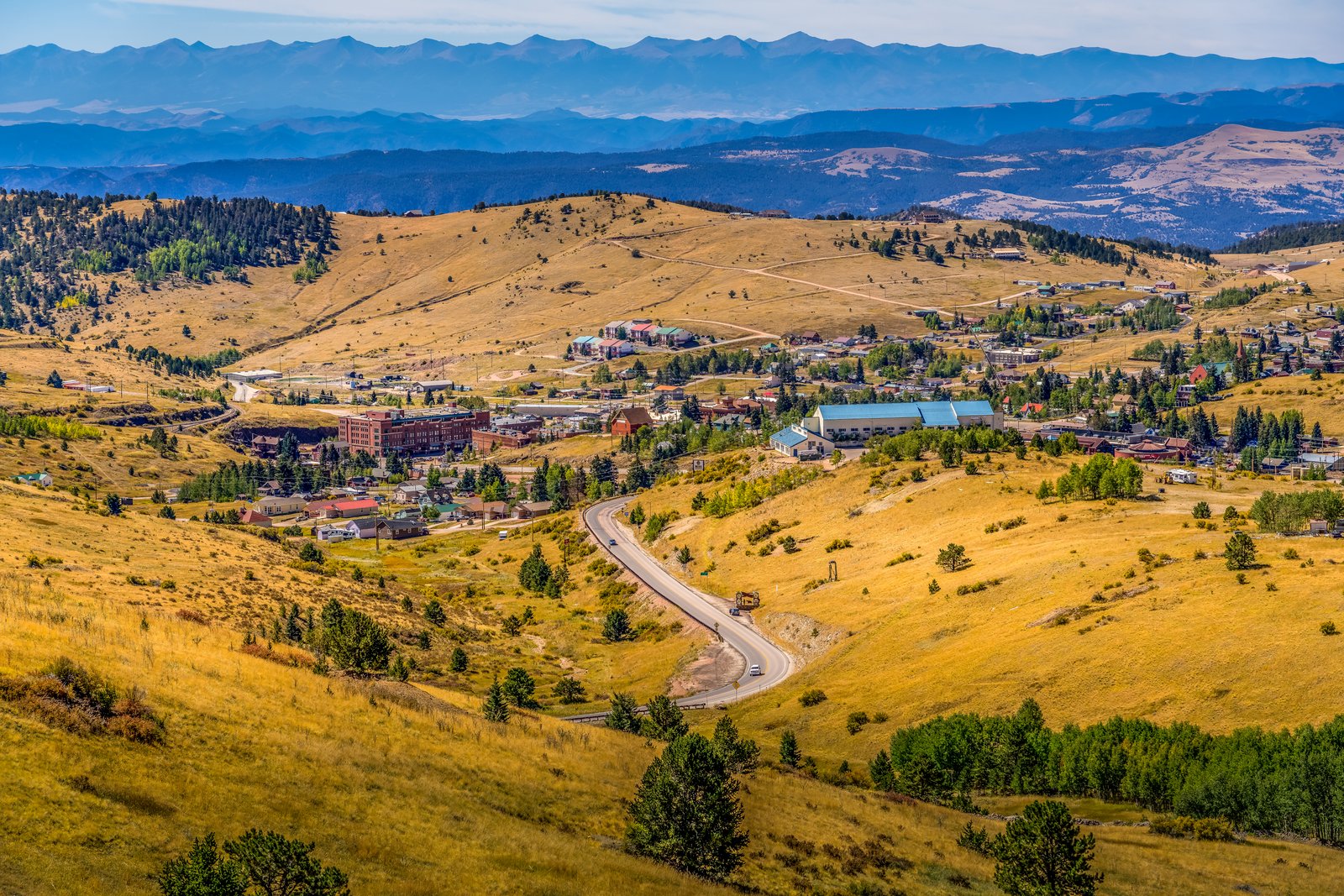
Historic Mountain Town of Cripple Creek, Colorado
The image is captured looking southwest from a popular scenic pull-off along Colorado State Highway 67 (visible winding down the hillside into the town). Key Features of the Location: The Town Layout: Nestled at an elevation of 9,494 feet (2,894 meters), the historic 1890s gold rush mining camp is spread across the high-altitude valley floor. The prominent, large building with the long blue roof on the right side of the valley is the Cripple Creek-Victor High School campus. The Backdrop: Spanning across the far horizon in the background is the dramatic, jagged curtain of the Sangre de Cristo Mountains, a subrange of the Rocky Mountains that remains snow-capped well into the warmer months. Historic Context: The hillsides surrounding the town are part of the famous Cripple Creek Historic District, which was the site of the greatest gold mining boom in Colorado history.
Prints from $14Downloads from $19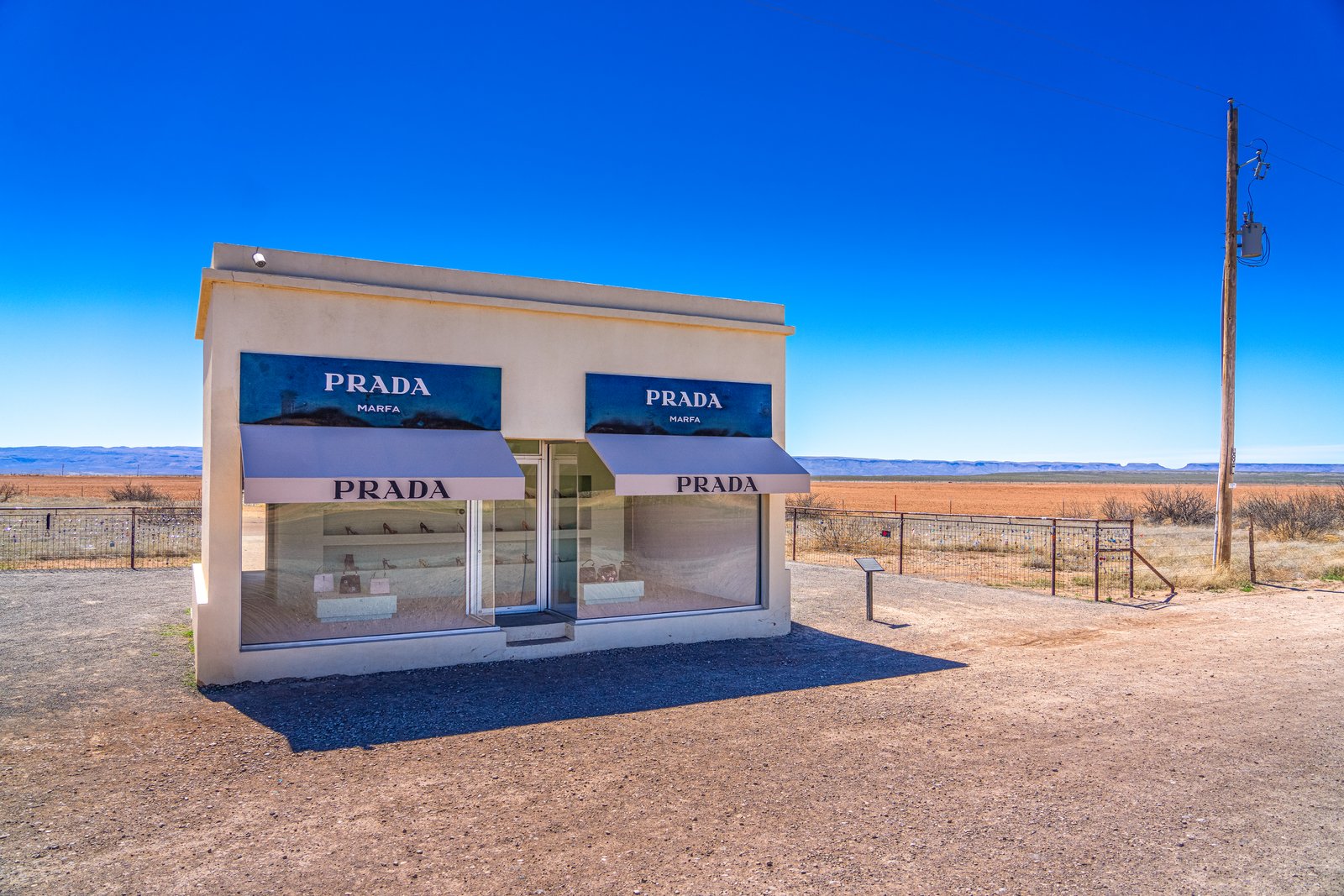
Prada Marfa, Valentine, Texas
Despite its name, the structure is actually situated roughly 26 miles northwest of the city of Marfa, standing entirely isolated alongside a desolate stretch of U.S. Highway 90 in Jeff Davis County. Key Features of the Installation: The Concept: Created in 2005 by Elmgreen and Dragset, this "pop architectural land art" piece is designed to look exactly like a luxury storefront. It is intended to function as a critique of consumerism and gentrification by slowly decaying into the surrounding Chihuahuan Desert landscape. The Inventory: The large glass display windows reveal genuine Prada shoes and handbags from the Fall/Winter 2005 collection, personally selected and provided by Miuccia Prada.T he Surrounding Landscape: The structure contrasts sharply with its environment—surrounded only by gravel pull-offs, a barbed-wire fence, sparse desert scrub, a lone utility pole, and the flat Texas desert horizon.
Prints from $14Downloads from $19

The view captures the winding Snake River valley in the middle ground, framed by the rolling, sagebrush-covered hills and groves of cottonwood trees characteristic of the park's eastern boundary. In the background, the jagged, prominent peaks of Grand Teton, Mount Owen, and Teewinot Mountain dominate the skyline under a dramatic, cloudy sky.
Metallic Prints, 8x12. Not to scale.
Schwabacher Landing area near the Teton Range in Grand Teton National Park, Wyoming
Photographed by
Size
We email you a sign-in code. No password.
- Printed and shipped by a professional photo lab.
- Shipping is quoted for your address at checkout.