


Photographer
Rick Billings, M. Photog., Cr.
Orlando, Florida
I've been a professional photographer since I graduated high school in 1978. I'm bringing over four decades of professional photography experience and offering images I captures as beautiful display prints in your home or office.
Collections
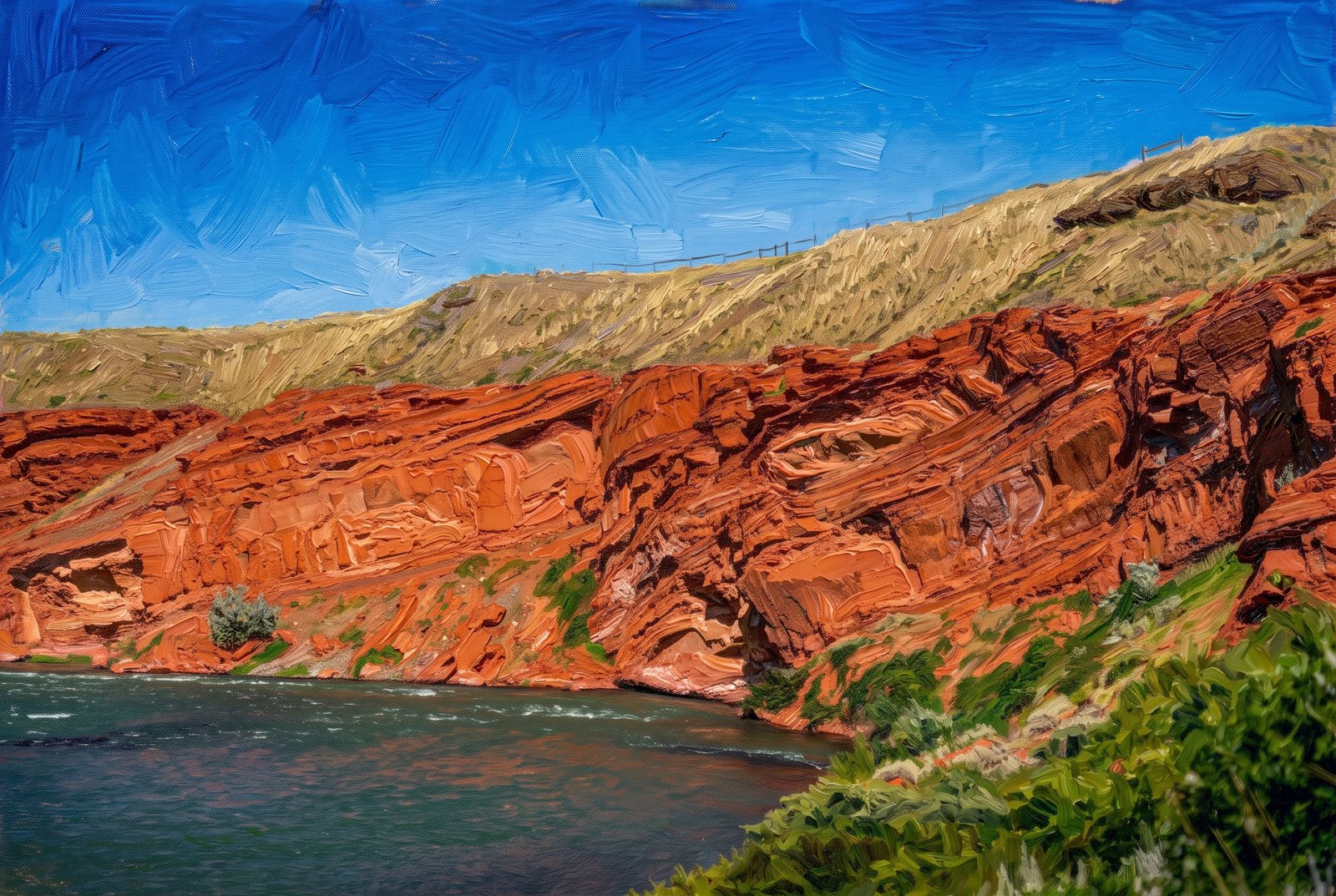
USA
80 photos
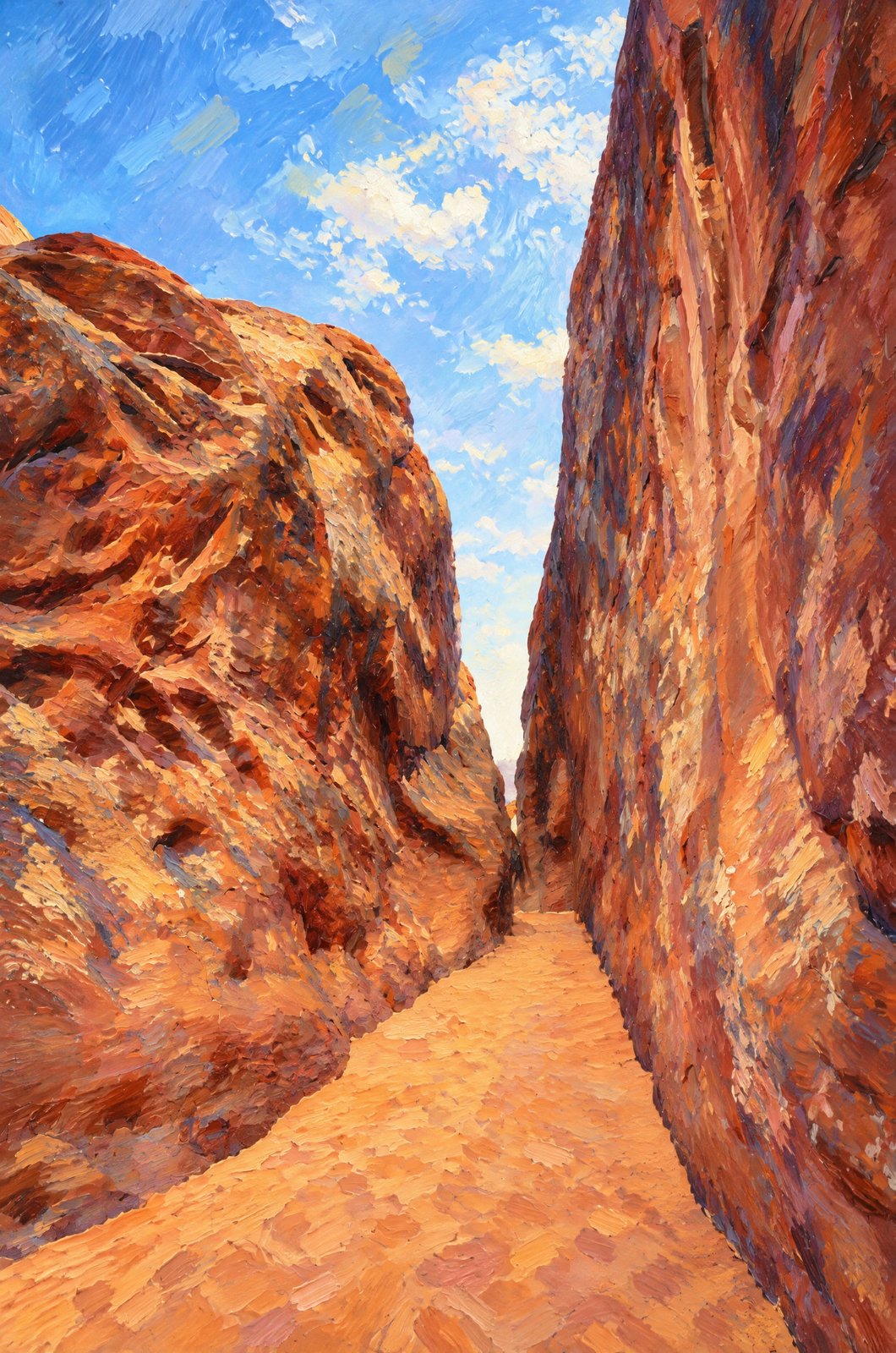
Arches, Bryce Canyon, Moab & Zion National Park - Utah
15 photos
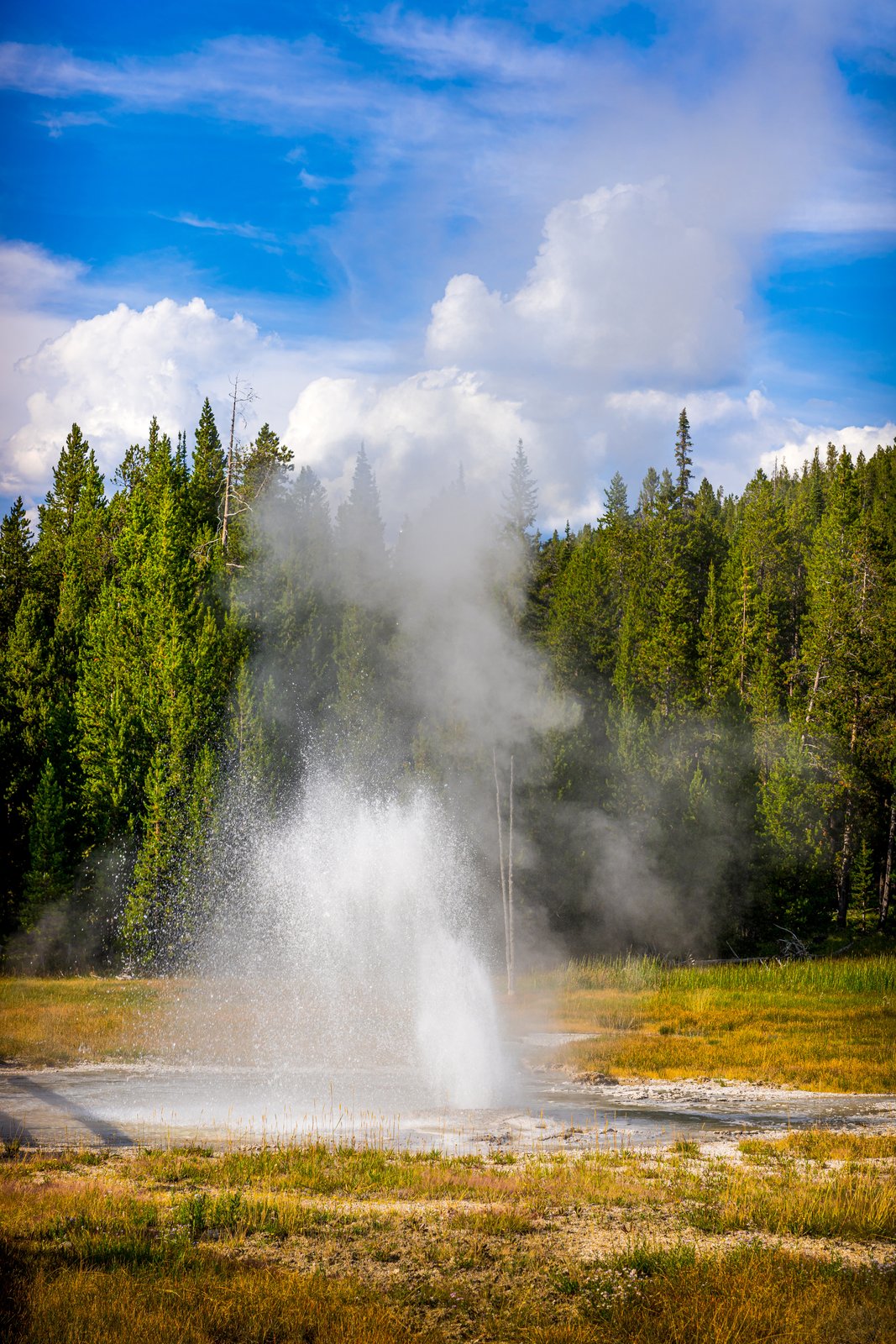
Yellowstone National Park, Wyoming
32 photos
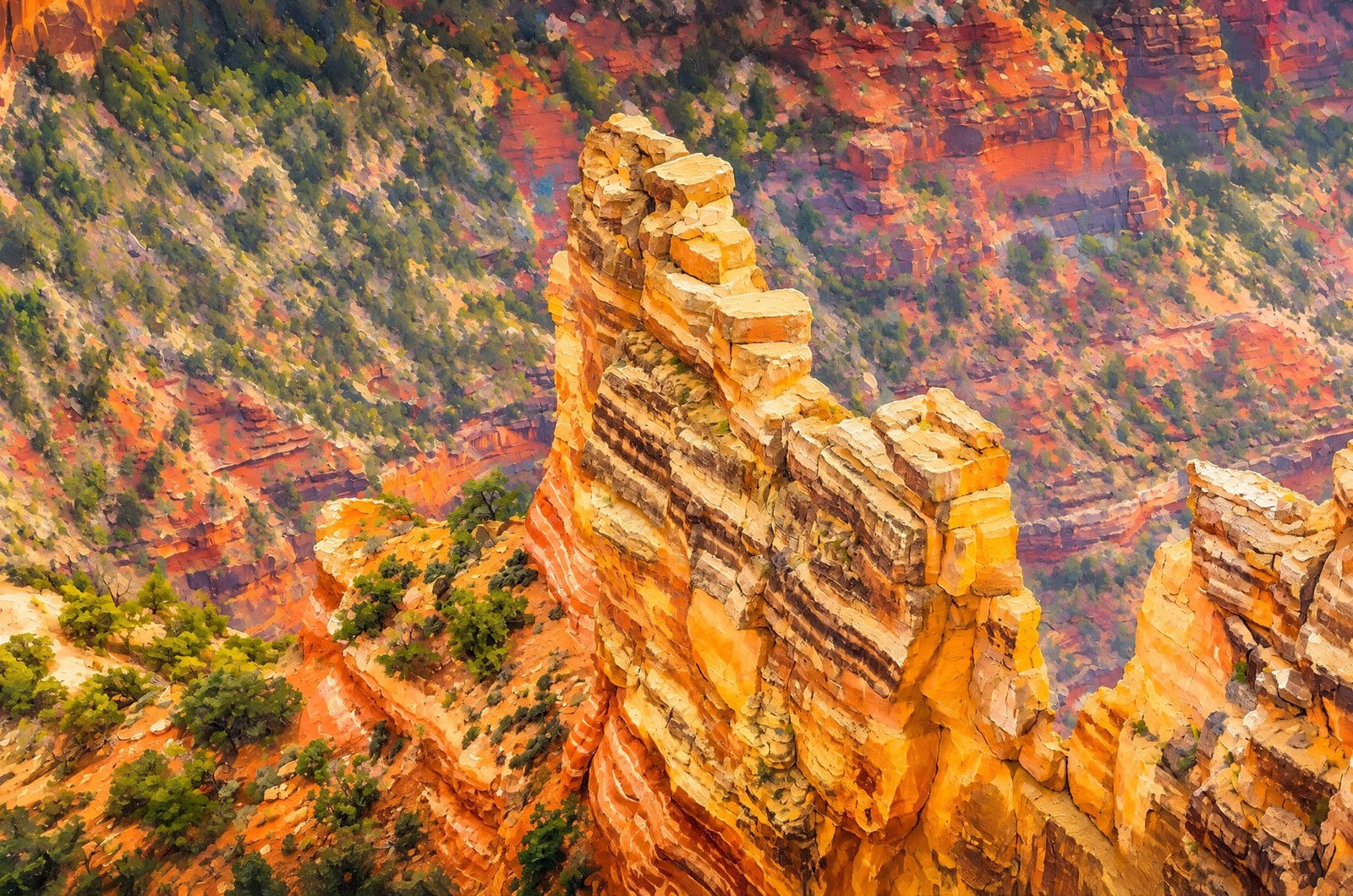
Grand Canyon National Park - Arizona
22 photos
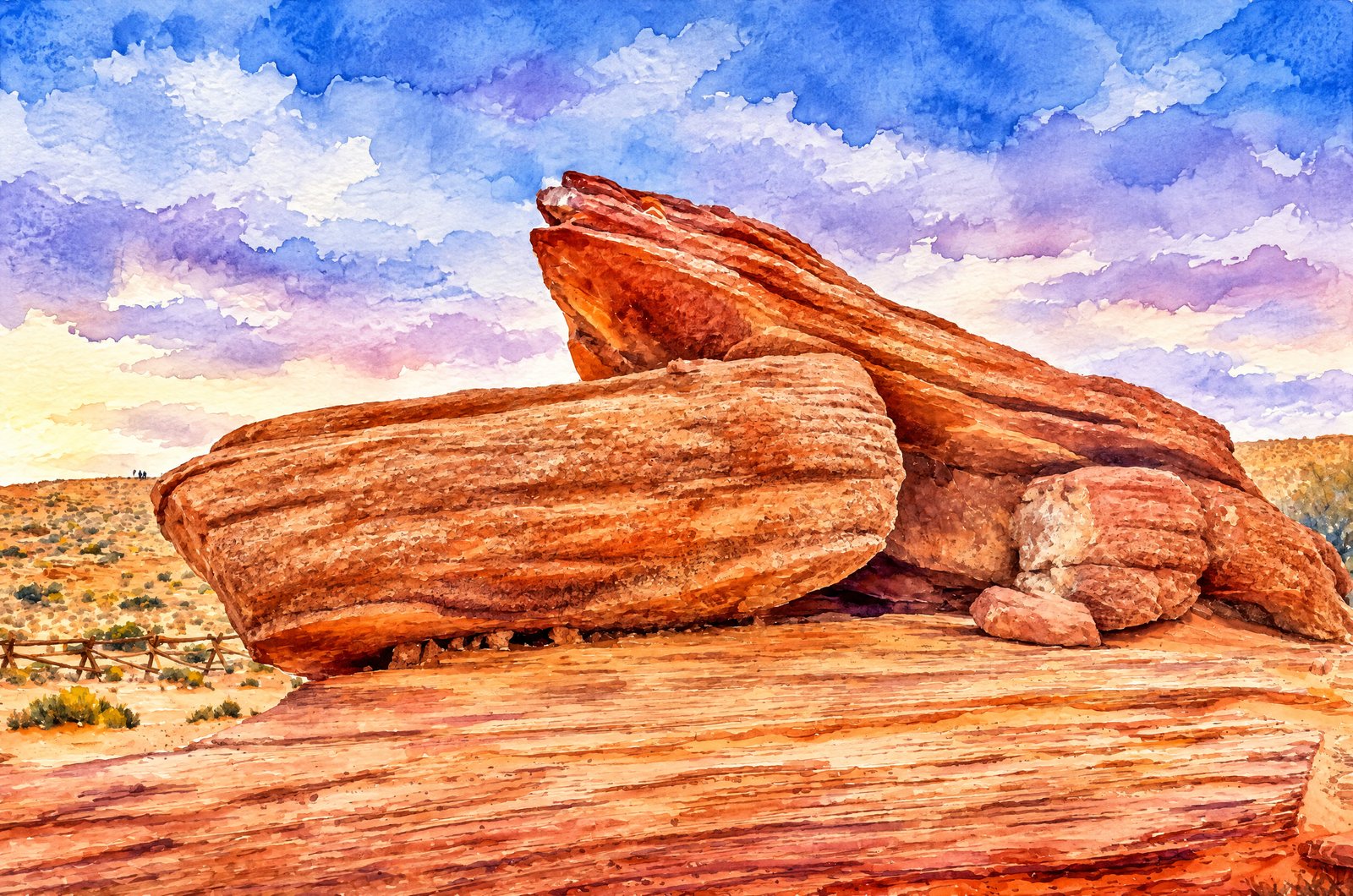
Lake Powell Page - Arizona
26 photos
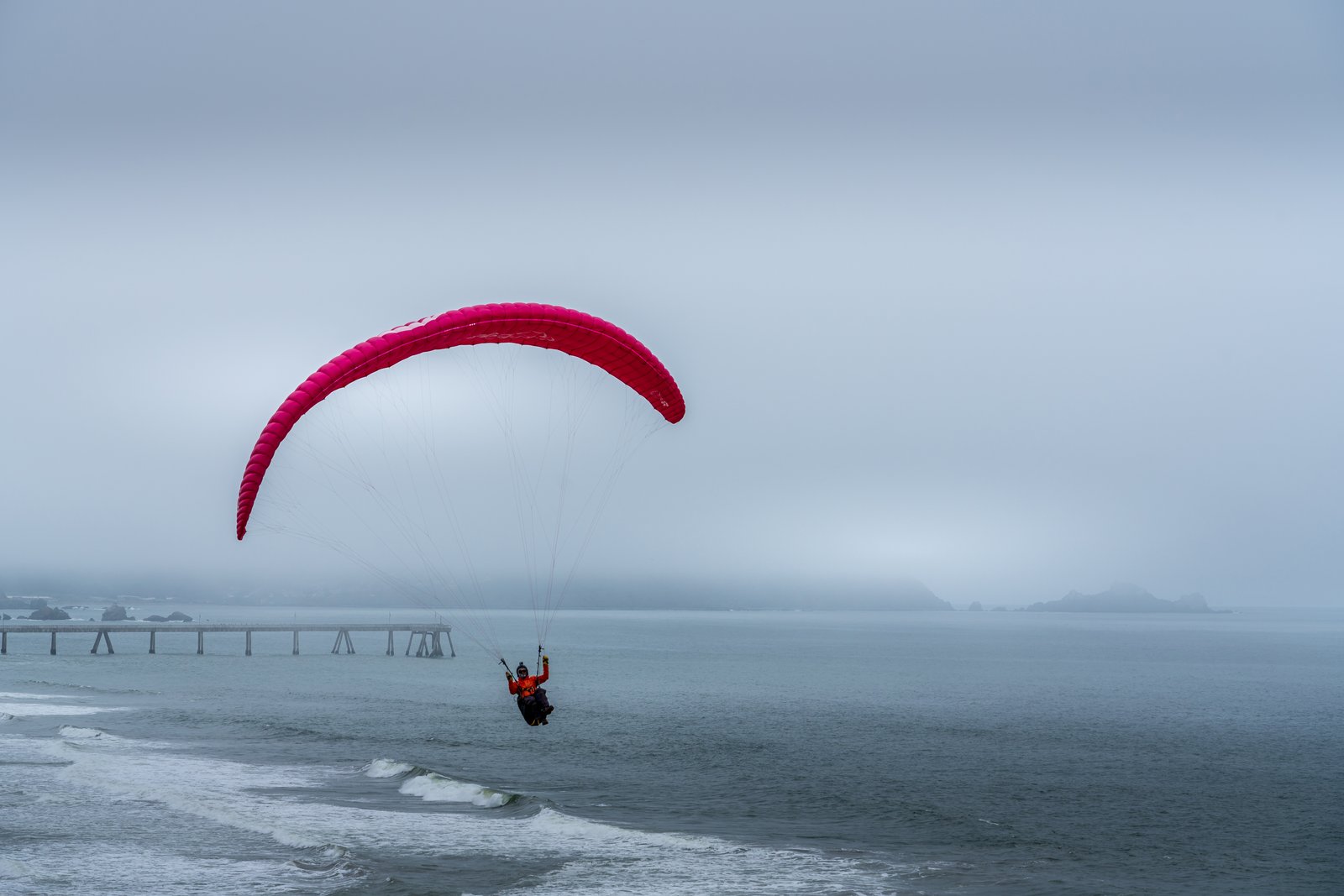
Pacific Coast, USA
36 photos
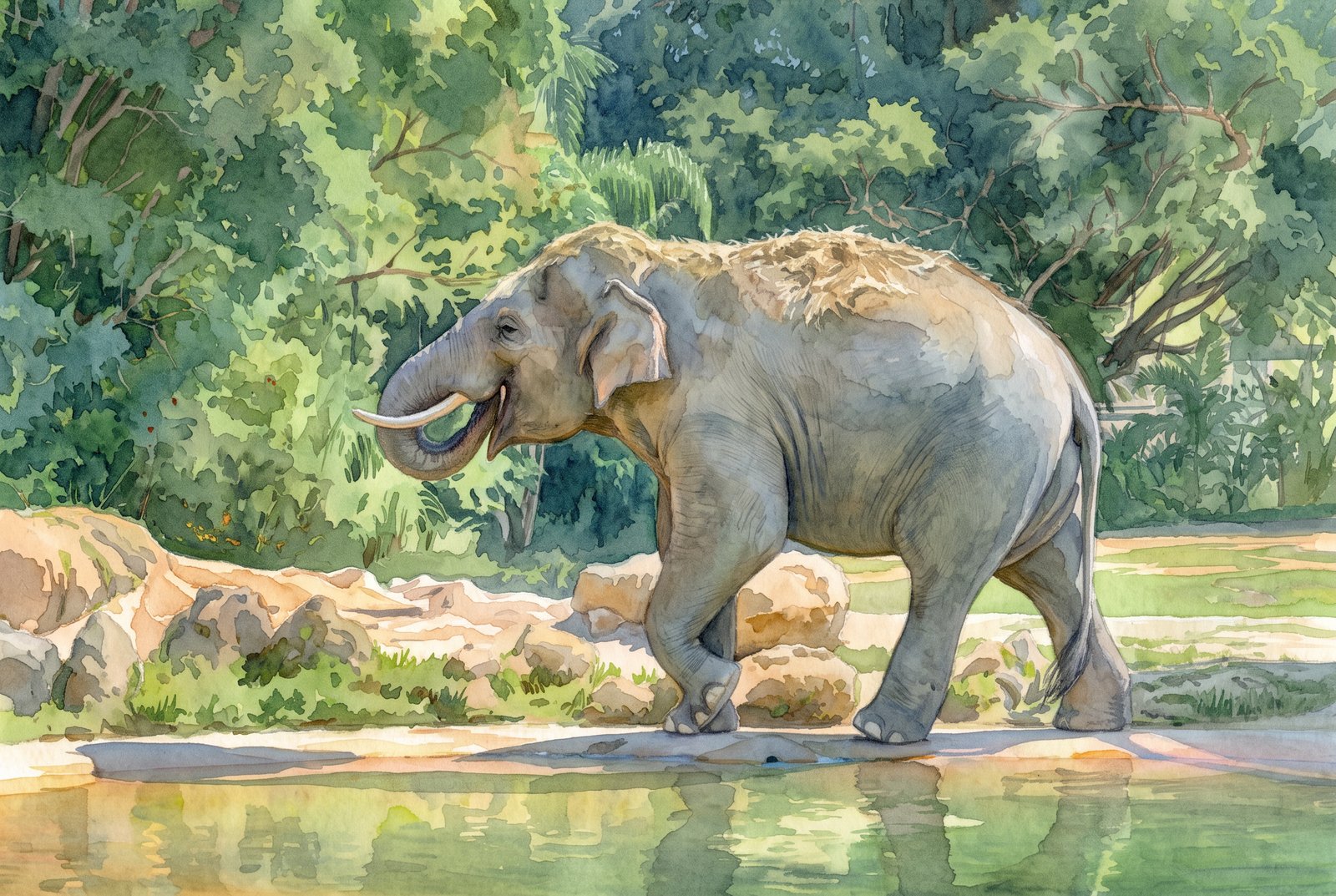
Animals
15 photos
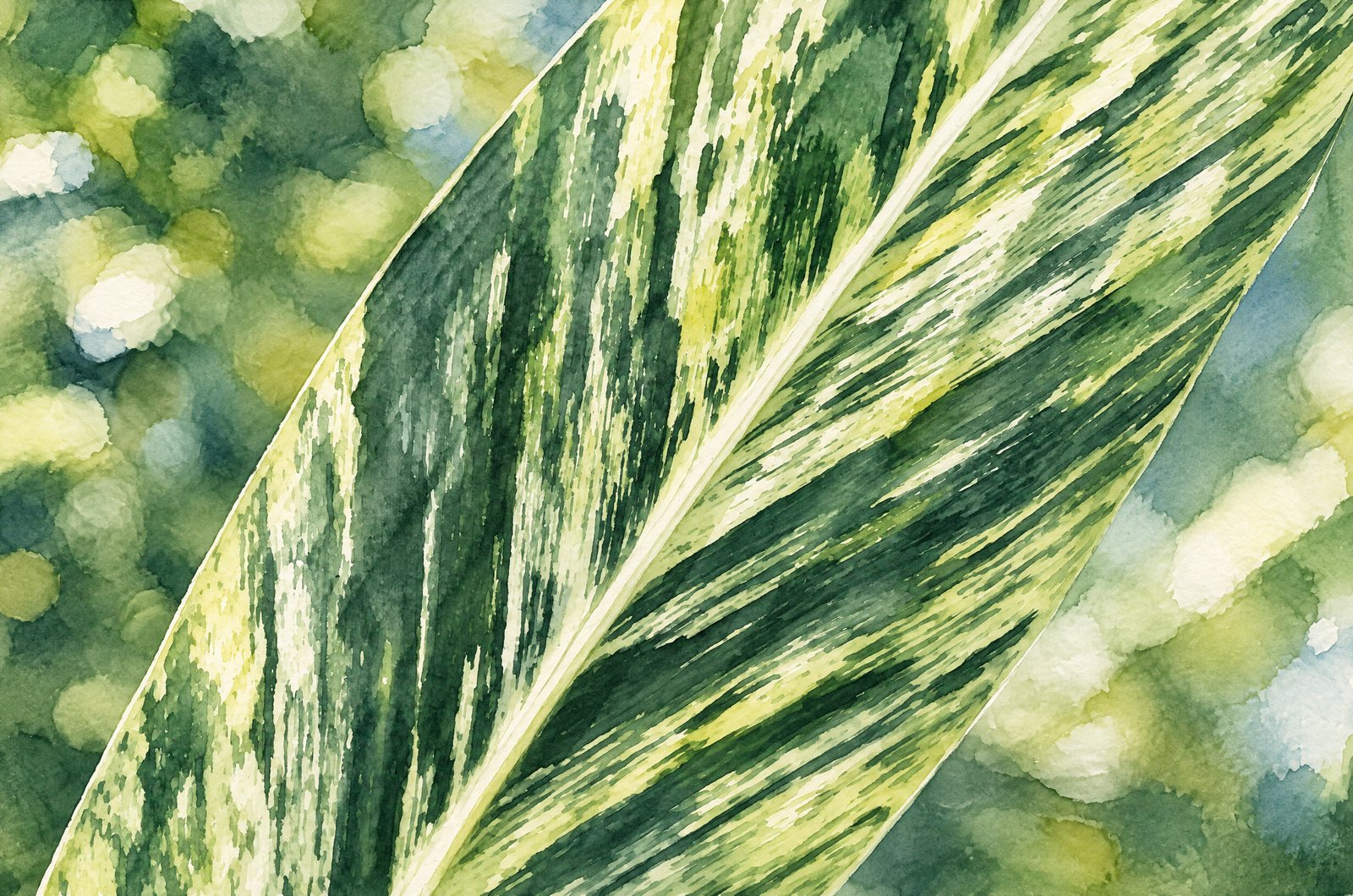
Flowers
18 photos
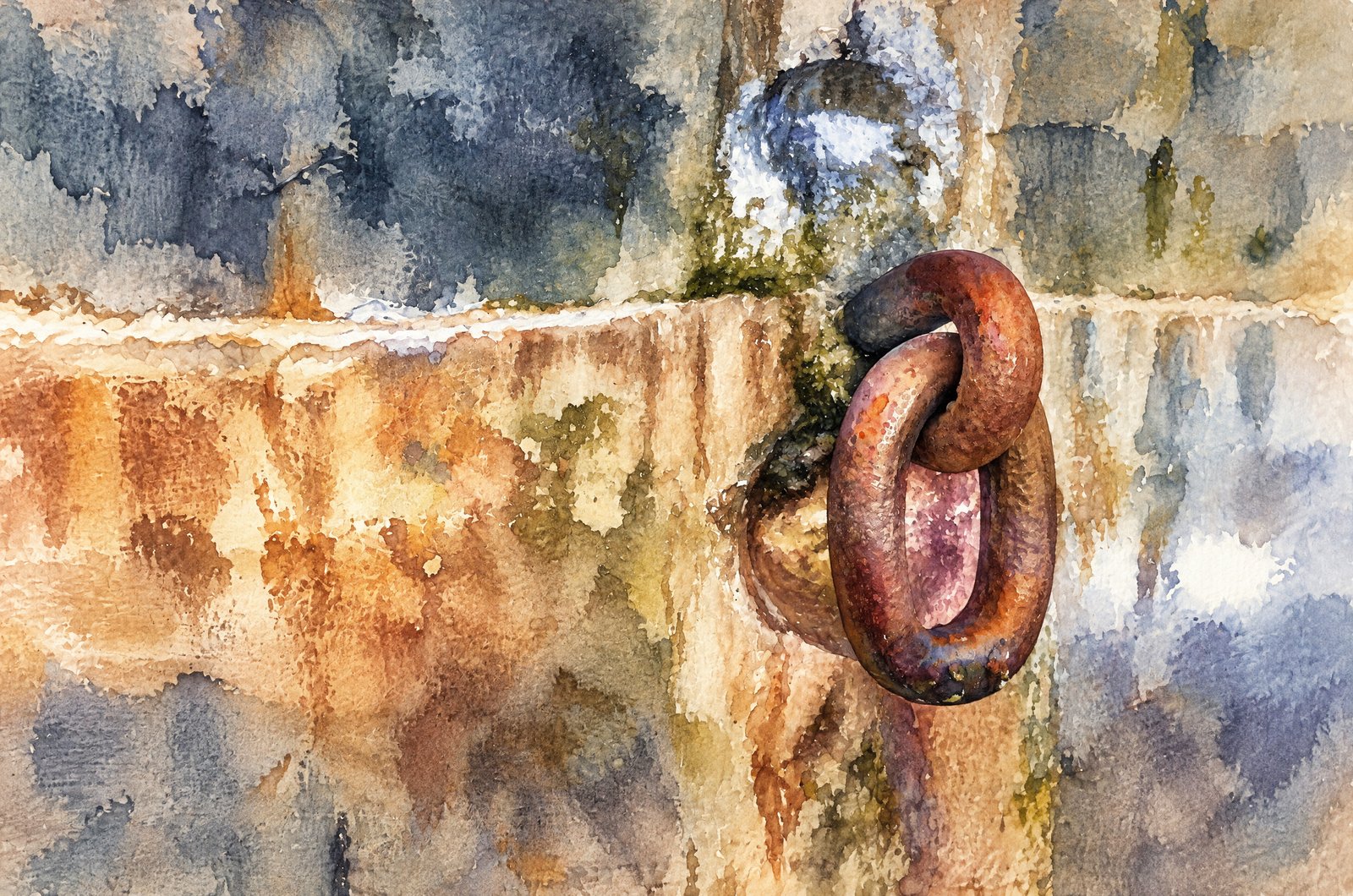
United Kingdom
15 photos
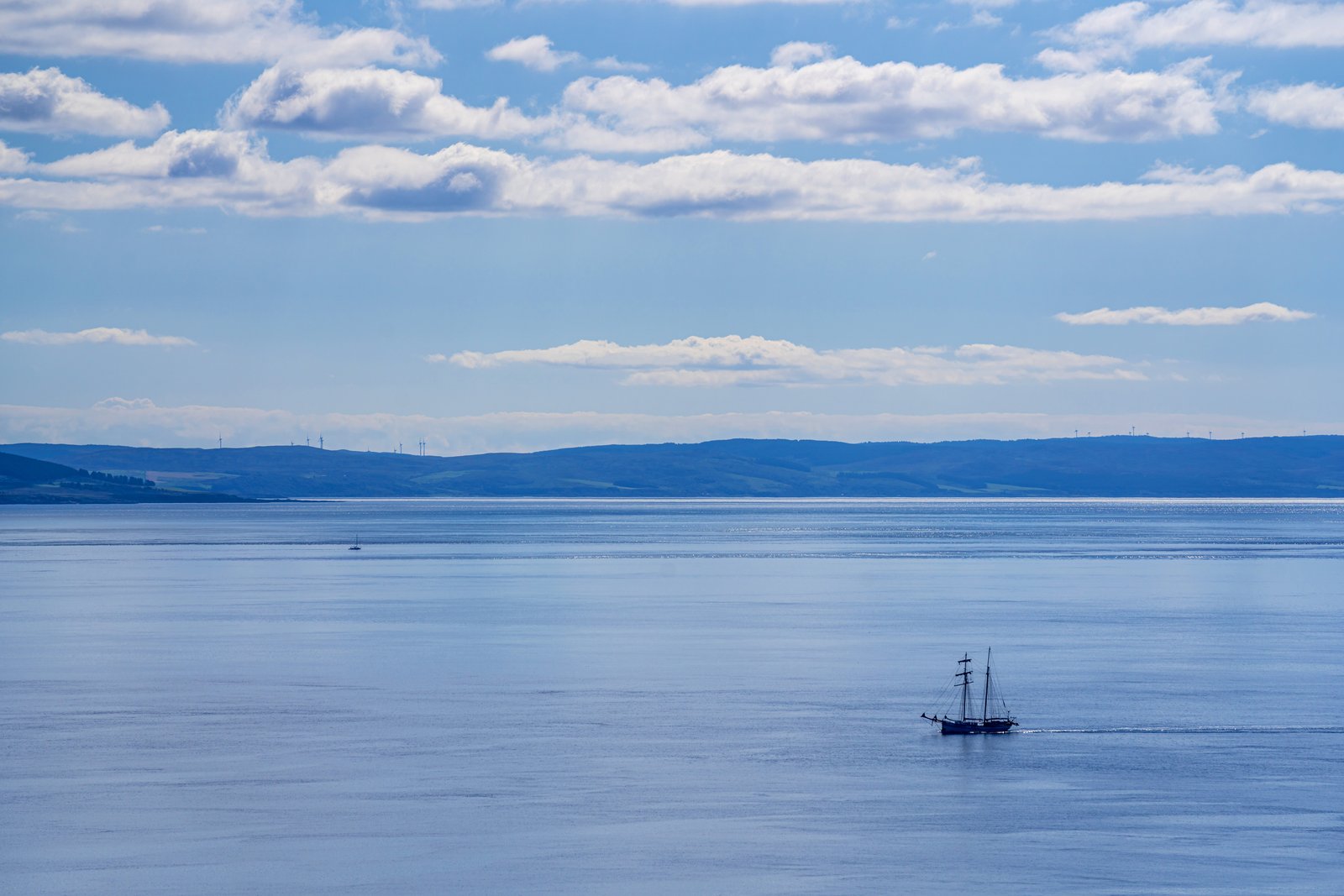
Scotland
54 photos
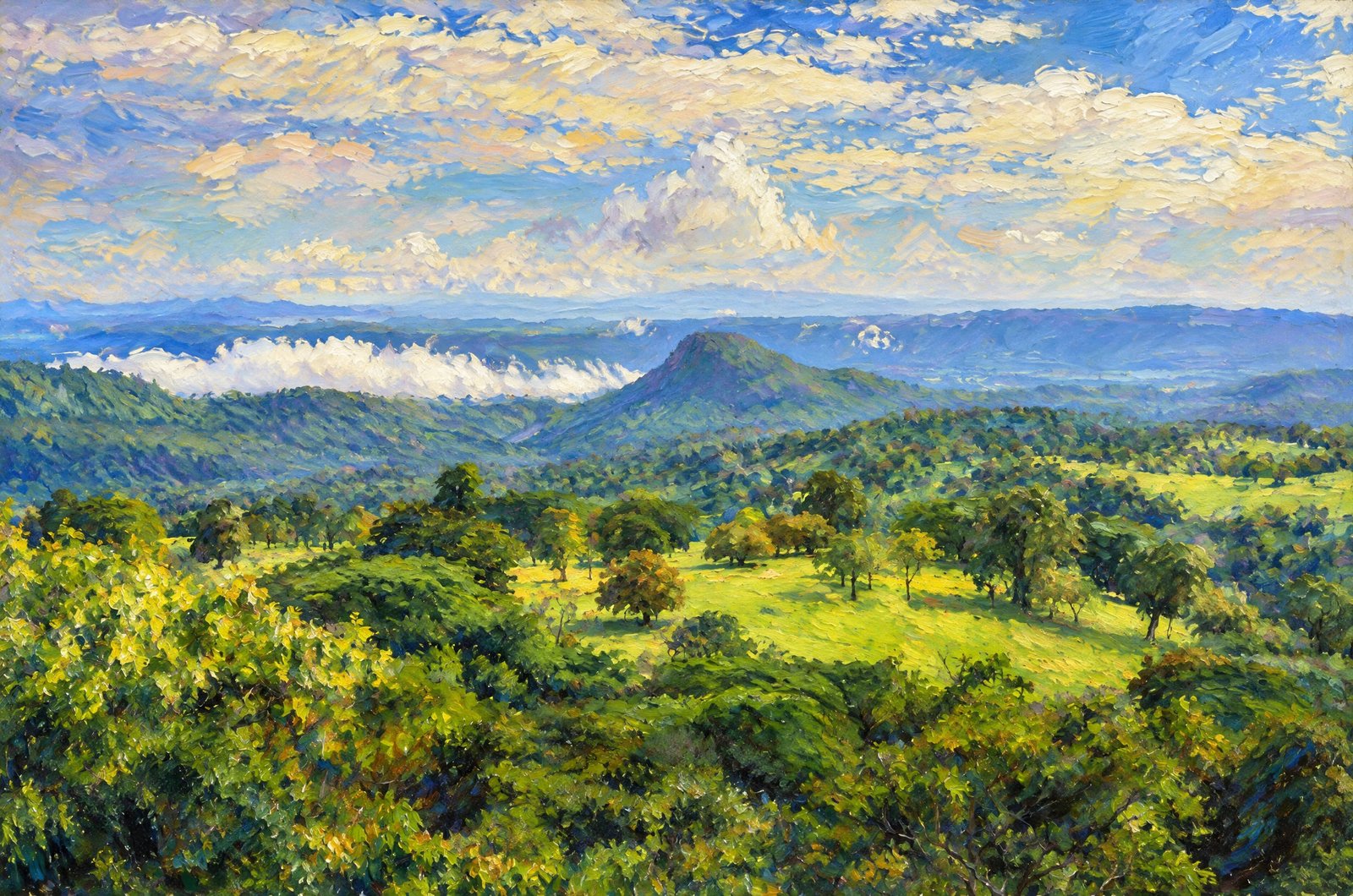
Costa Rica
2 photos
All Photos By Rick Billings, M. Photog., Cr.
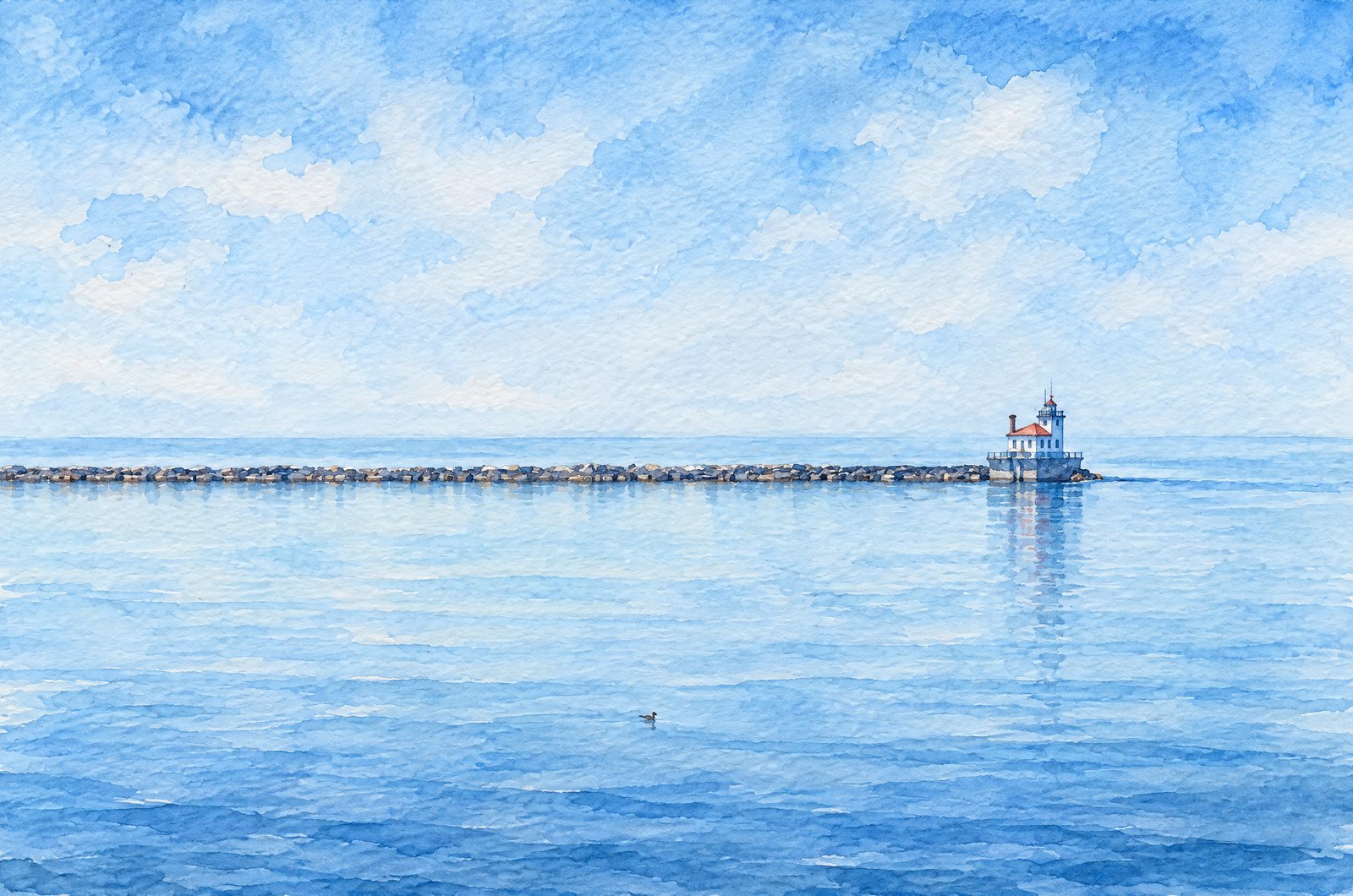 Watercolor
Oswego West Pierhead Lighthouse
The Oswego West Pierhead Lighthouse stands at the end of a long stone breakwater on Lake Ontario in Oswego, New York, its white tower and red roof mirrored almost perfectly in the still lake, seen from the shore. Key Features: The Lighthouse: A steel and cast-iron tower, white with a red roof and green trim, marking the entrance to Oswego Harbor. The Breakwater: The light stands about half a mile from shore at the end of the breakwater. Historic Status: The lighthouse is listed on the National Register of Historic Places.
Prints from $41Prints only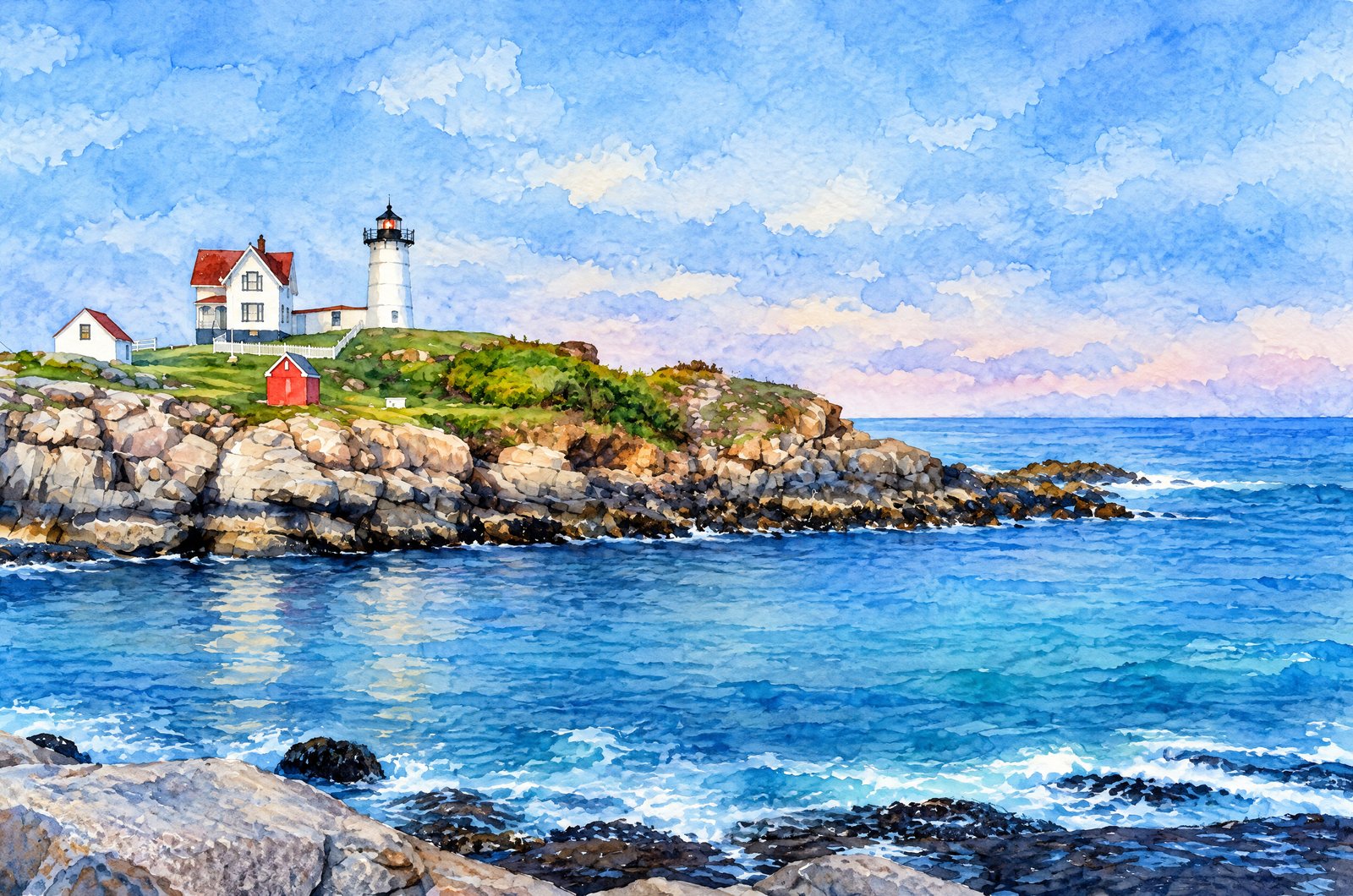 Watercolor
Cape Neddick Light, Nubble Lighthouse
Cape Neddick Light, known to everyone as Nubble Light, stands on its small rocky island just off York Beach in southern Maine, the white tower, red-roofed Victorian keeper's house and little red oil house set on a grassy outcrop above the granite shore as sky and sea turn deep blue at dusk. Key Features: The Island: The light sits on a rocky nub of an island, hence the name, about 100 yards off York Beach. The Vantage Point: Sohier Park, across the narrow channel, draws an estimated 500,000 visitors a year to see it. Construction: President Hayes authorized the light in 1879. Maritime Danger: Many ships were wrecked here before the light was built, the Isidore in 1842 the most famous.
Prints from $41Prints only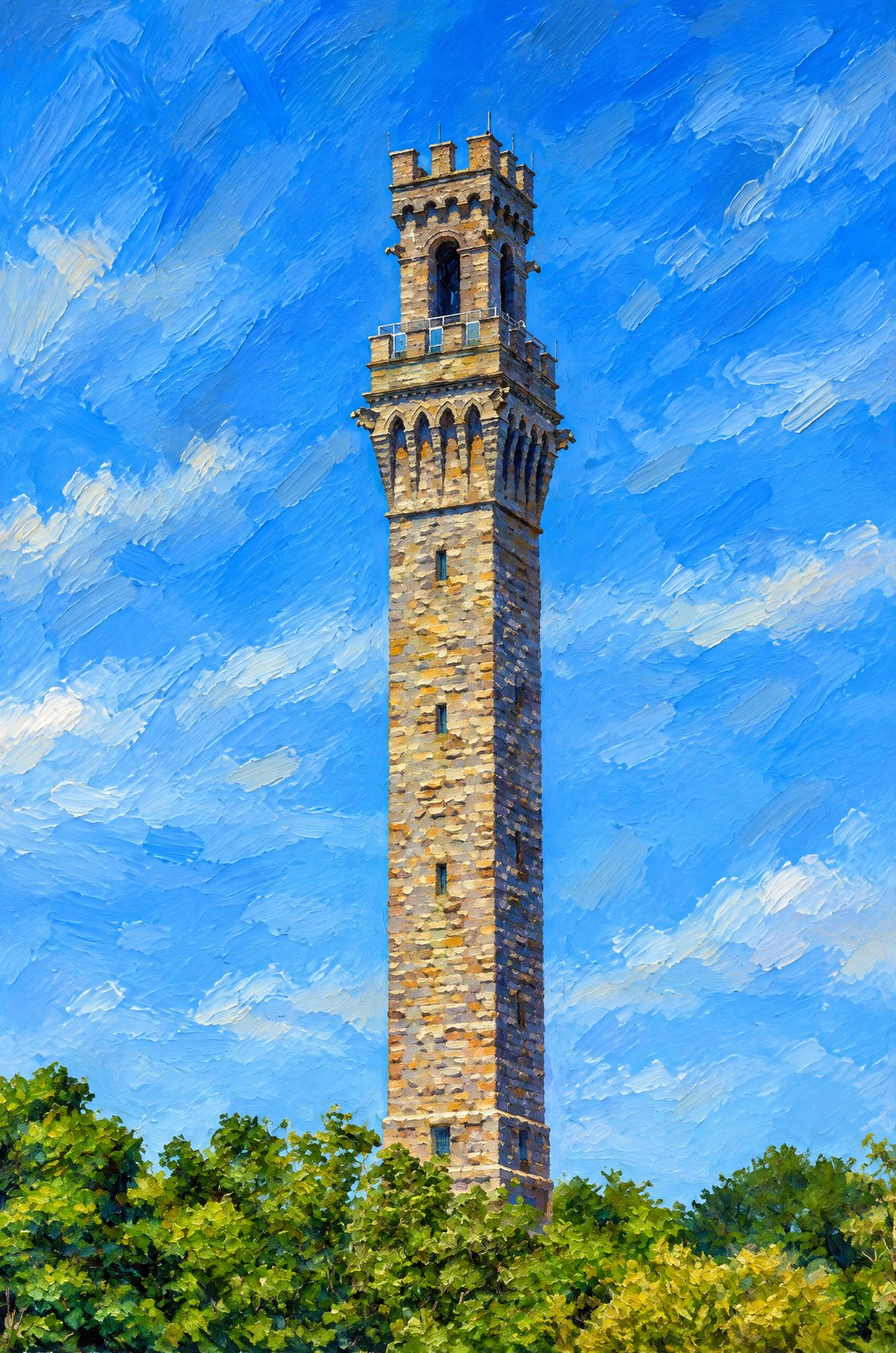 Painterly
High Pole Hill Is The Pilgrim Monument
The Pilgrim Monument rises above the treeline on High Pole Hill in Provincetown, Massachusetts, seen from below from its rough granite blocks to the arched belfry openings and battlements of its Italian Renaissance crown, against a clear summer sky with green Cape Cod foliage at its base. Key Features: The Landmark: Designed by Willard T. Sears, the granite tower rises 252 feet 7.5 inches, 350 feet above sea level, the tallest all-granite structure in the United States. The History: Built from 1907 to 1910, it honors the Pilgrims' first landfall in 1620 and the signing of the Mayflower Compact in Provincetown Harbor. Presidents: Theodore Roosevelt laid its cornerstone in 1907, and William H. Taft dedicated it. The View: From the top you can see the curl of the Cape's arm, a sandbar between Cape Cod Bay and the Atlantic.
Prints from $41Prints only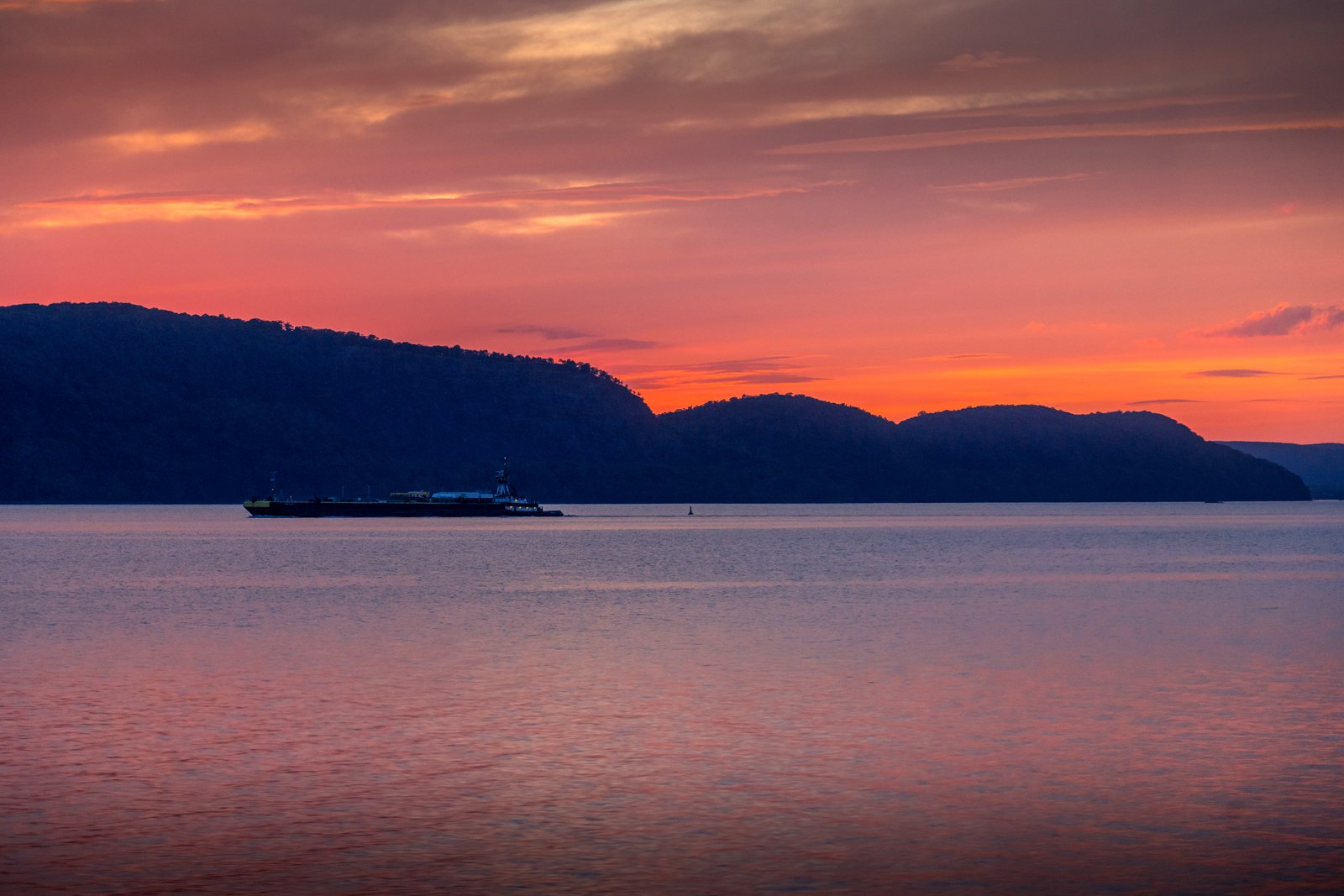
Sunset Of The Hudson
A tugboat pushes a barge along the calm Hudson River in New York State at sunset, the sky and water glowing orange and pink where the river narrows between low, forested hills turned to dark silhouettes. Key Features: River Commerce: Tugs and barges still carry fuel, stone and other cargo on the Hudson, a working tradition centuries old. Light and Water: The still surface mirrors the sunset colors, the Hudson Valley light that inspired generations of painters and photographers. The Hills: Rounded, wooded hills crowd close along this stretch of the river.
Prints from $22Downloads from $19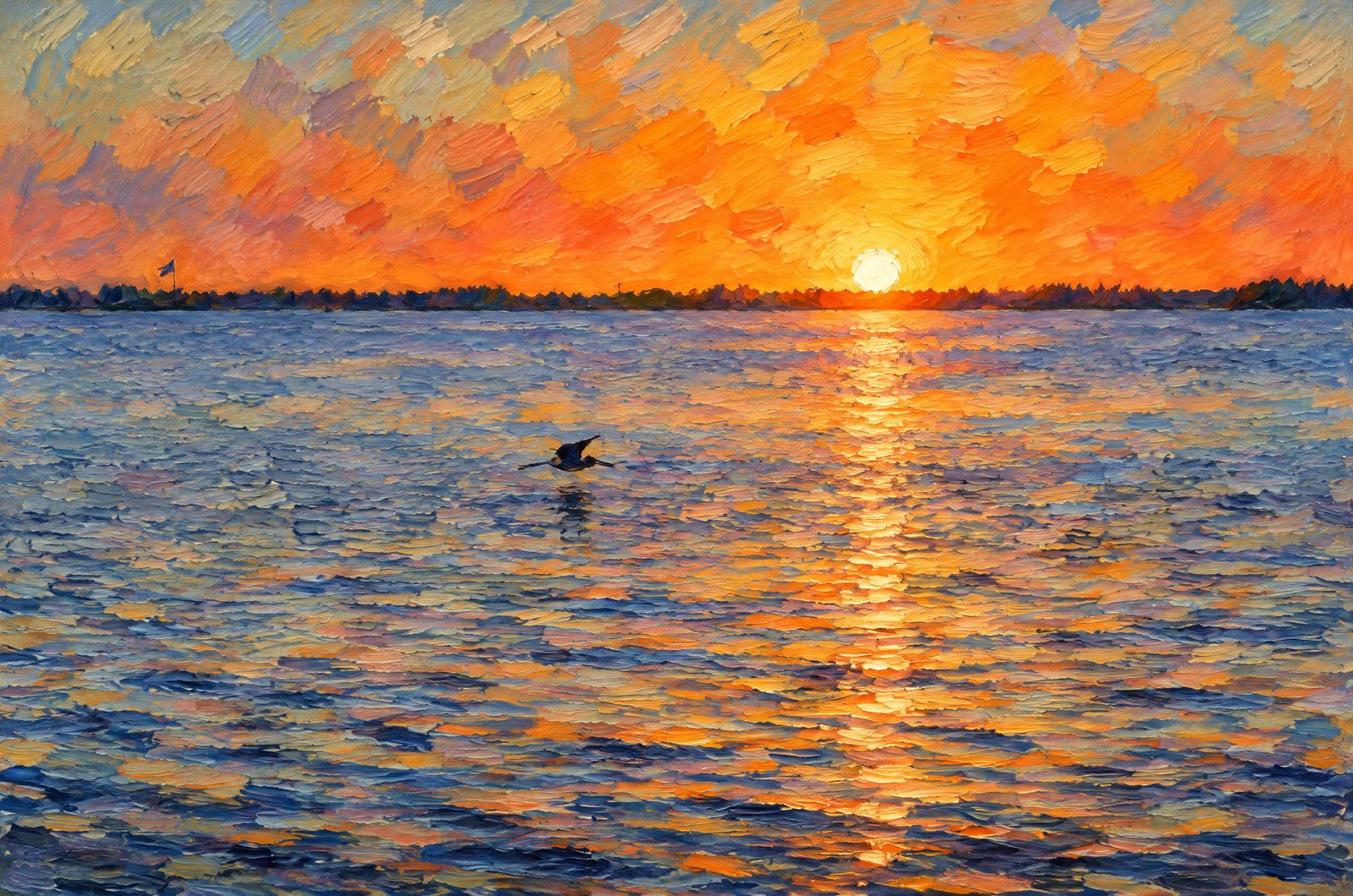 Impressionist
Sunset In Tampa Bay
The sun sets straight over a low line of mangrove islands on Tampa Bay, Florida, laying a bright path across the calm water as a brown pelican glides low in silhouette and a small flagpole on a far point gives the only sign of people. Key Features: The Setting: Tampa Bay is Florida's largest open-water estuary, lined with mangrove shores that make these dark, low horizons at dusk. The Wildlife: Brown pelicans fish the shallow, sheltered bays and nest on mangrove islands, a common sight here at sunset. The Light: The sun's reflection stretches in a single column across the water, the golden-hour moment Gulf Coast photographers wait for. The Mood: Warm orange sky and quiet ripples hold the stillness of an evening on the bay.
Prints from $41Prints only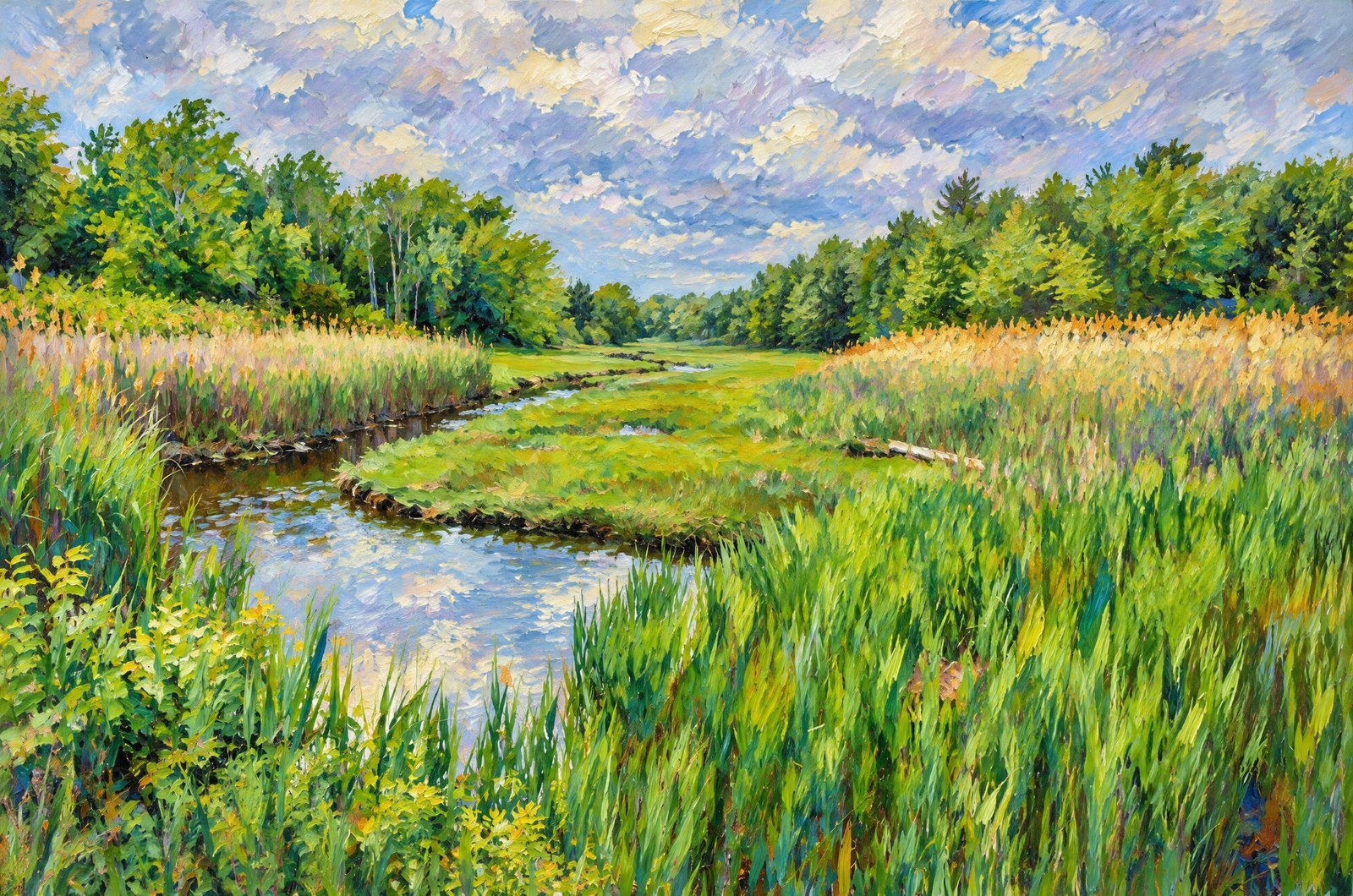 Impressionist
Tranquil Grass Lands
A tidal creek winds through a lush coastal salt marsh between bright green marsh grass and taller golden reeds, curving toward a distant tree line of dense hardwood forest under a heavy, overcast summer sky. Key Features: The Marsh: Salt marshes form where tidal creeks meet coastal forest, rich habitat for fish, birds and shellfish. The Grasses: Vivid green cordgrass by the water and taller reeds along the banks show the layered zones of a healthy estuary. The Light: Heavy cloud spreads the light evenly, deepening the greens of marsh and water. Conservation Value: Marshes buffer the coast against floods and erosion and filter runoff before it reaches open water.
Prints from $41Prints only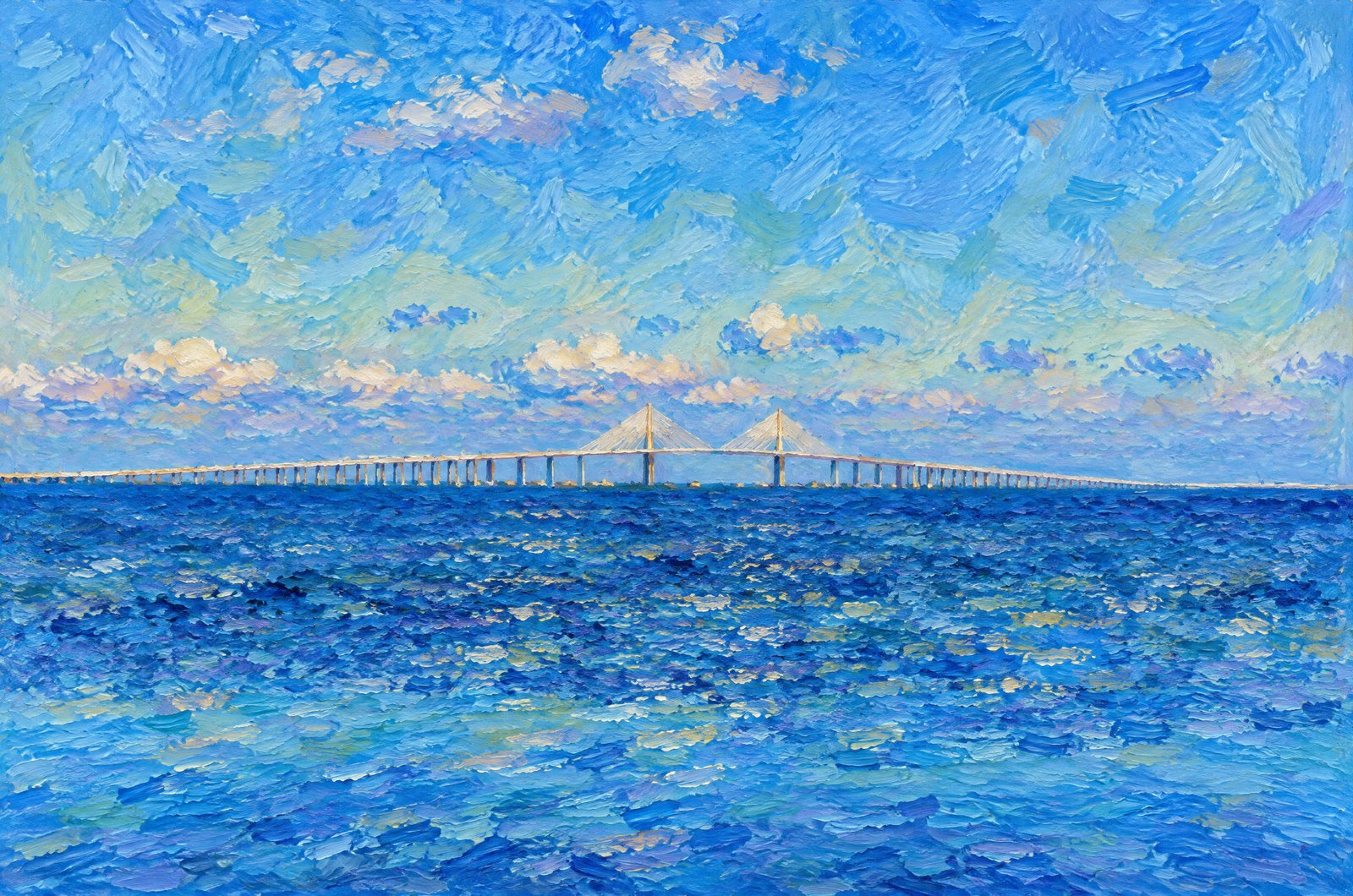 Impressionist
1348 Sunshine Skyway Bridge Tampa Bay
The twin golden cable towers of the Sunshine Skyway Bridge rise against a clear sky across the mouth of Tampa Bay in western Florida, the bridge's long, gently curving profile stretching toward the horizon between St. Petersburg and the Bradenton area, seen low across the open water. Key Features: The Span: A cable-stayed concrete bridge running more than four miles across the mouth of Tampa Bay, linking Pinellas and Manatee counties. A Record: When it opened it was the longest cable-stayed concrete bridge in the world. A Tragic Past: In 1980 the freighter Summit Venture struck a support of the old bridge, and about 1,200 feet of it fell into the bay. The Rebuilt Crossing: The new bridge, with its cable-stayed main span, opened in 1987.
Prints from $41Prints only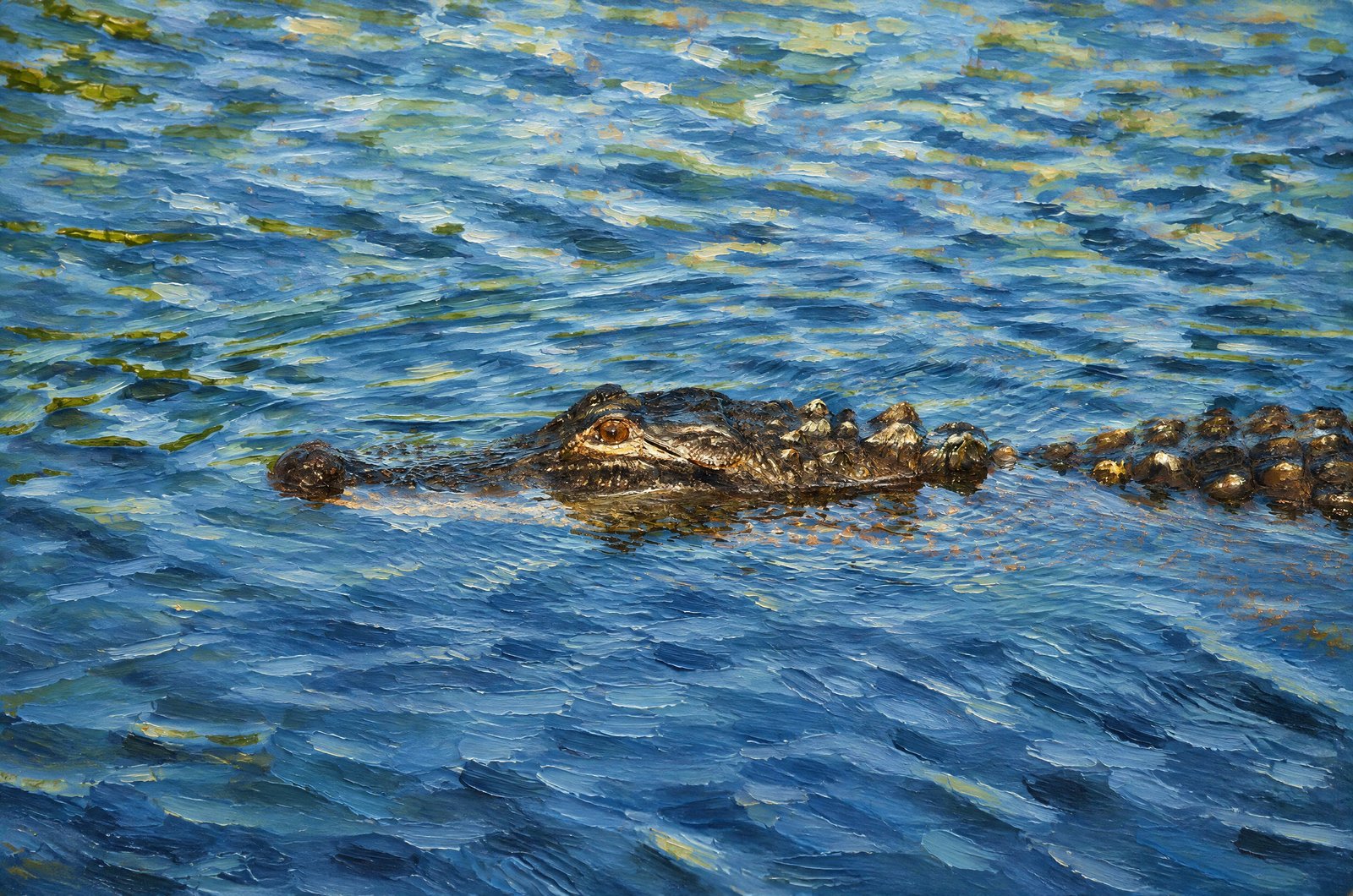 Painterly
Florida Gator
An American alligator glides low through the dark, sun-flecked water of a Florida wetland, only its eyes and the ridged plates of its back breaking the surface, seen from water level amid ripples and strands of algae. Key Features: Ambush Hunting: Alligators hunt by staying perfectly still, with only their eyes and nostrils above water. Built for Water: They can see, hear and breathe while almost completely submerged. A Keystone Species: The alligator is the most important species in the Everglades. Habitat Engineers: The gator holes they dig hold water through the dry season, a lifeline for other animals.
Prints from $41Prints only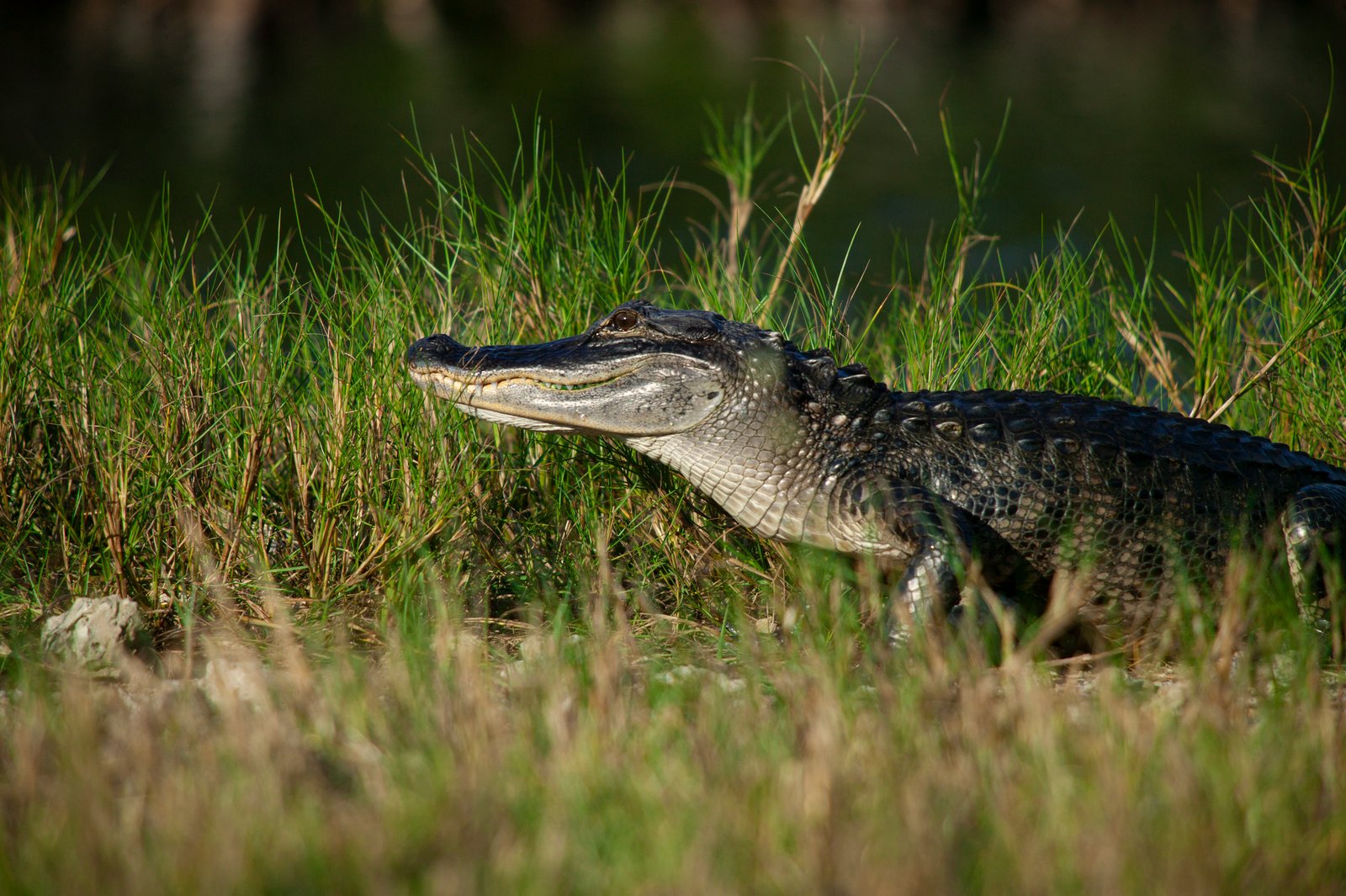
Gator On The Prowl
An American alligator emerges from tall marsh grass at the edge of a quiet freshwater waterway, body low as it heads for open water, its textured hide and raised head lit by warm, low sun. Key Features: The Habitat: American alligators live in freshwater marshes, rivers and swamps across the Southeast, from the Carolinas through Florida and west to Texas. The Behavior: They bask on banks by day and hunt mostly at night, moving between sun and water to control their body temperature. The Species: Alligator mississippiensis is one of only two living alligator species and a keystone predator that shapes its wetland. The Setting: Tall grass and still water are the marsh and swamp country where alligators are most often seen.
Prints from $22Downloads from $19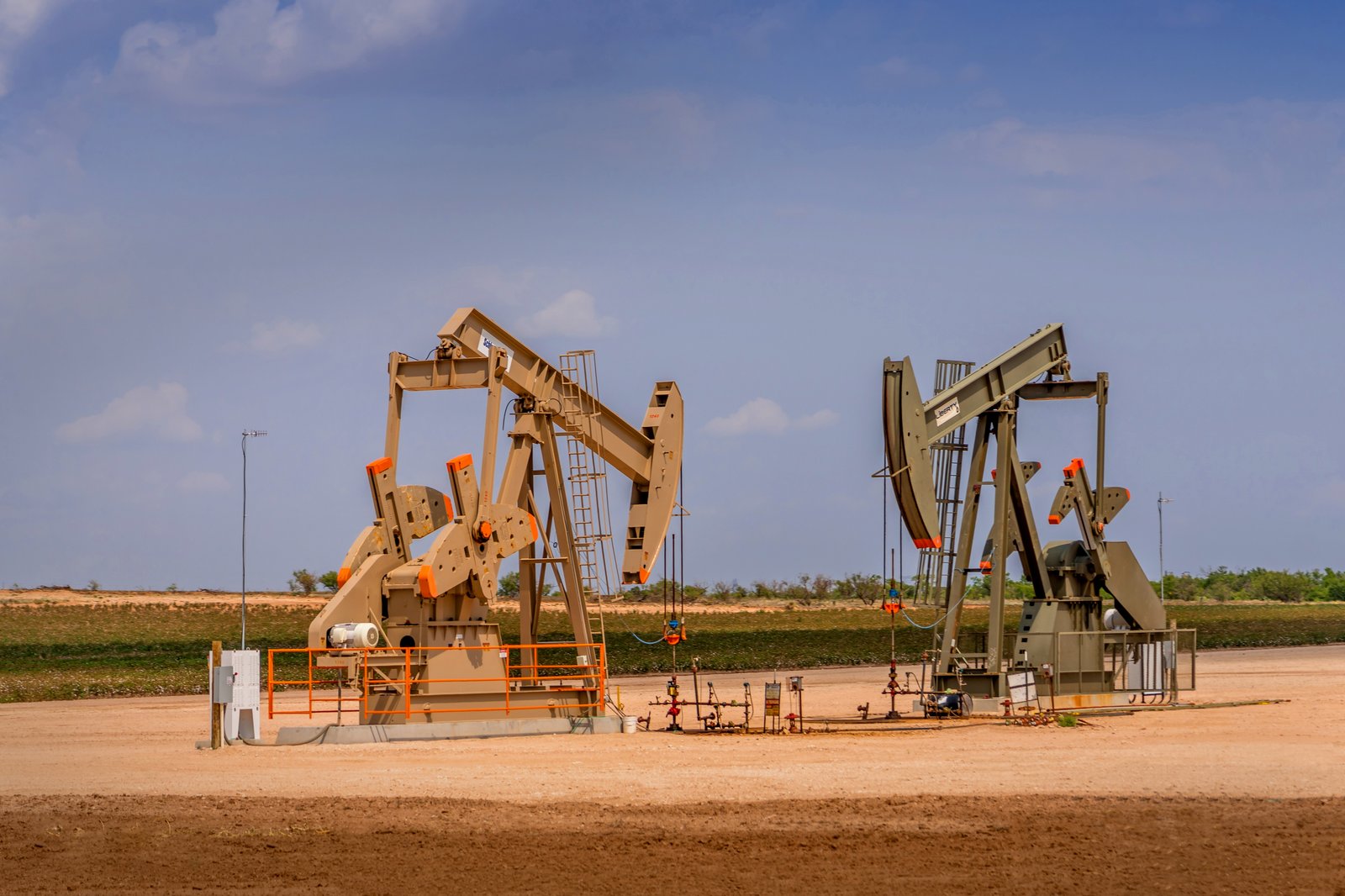
Permian Basin Oil Riggs
Two pumpjacks, the nodding donkeys of the oil patch, draw crude from wells set in reddish sandy soil in a West Texas oil field in the Permian Basin, with wellhead piping and valves in front and green irrigated farmland bordering the site beyond. Key Features: The Permian Basin: A vast sedimentary basin under much of West Texas and southeastern New Mexico, one of the most productive oil and gas regions in the country. The Pumpjack: A rocking-beam pump that lifts oil to the surface, the best-known symbol of American onshore oil. The Landscape: Flat rangeland and farmland dotted with wellheads and roads, where energy and agriculture share the same ground. Everyday Scenery: Pumpjacks stand beside crops and pasture across the Permian Basin as part of daily life.
Prints from $22Downloads from $19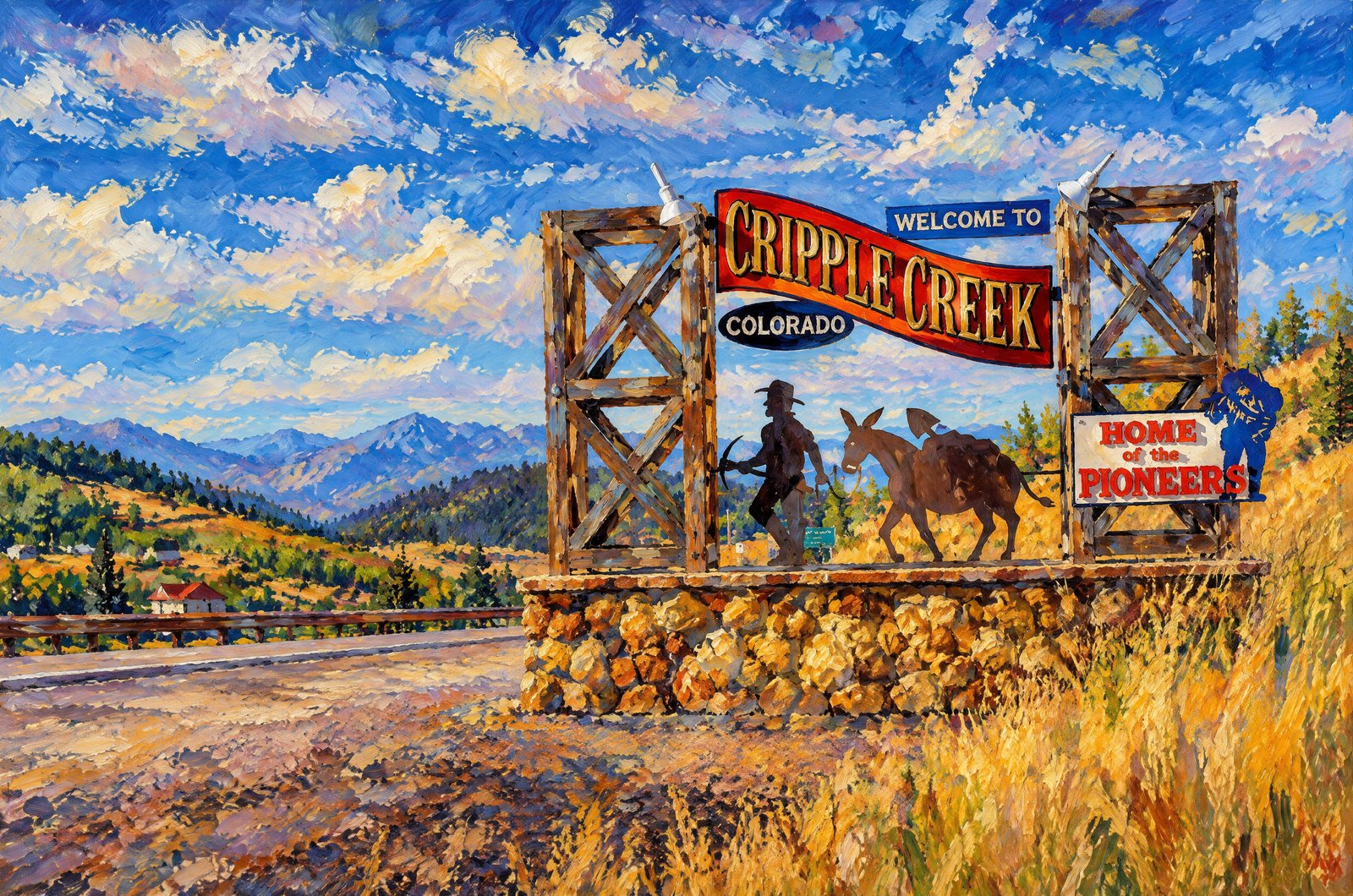 Impressionist
Cripple Creek Colorado
A hand-painted welcome sign on rough timber posts and a stone base greets visitors to Cripple Creek, Colorado, a former gold mining town high in the Rockies southwest of Pikes Peak, its silhouetted prospector and pack mule beside the words "Home of the Pioneers," with mountain ridges fading into haze and a small highway marker noting the town's 9,494-foot elevation. Key Features: The Gold Rush: Prospectors poured into the district after Winfield Scott Stratton struck the Independence lode, one of the great gold strikes in history. High Country: At 9,494 feet, Cripple Creek's valley was little more than cattle pasture before the gold rush. The Mines: More than 500 mines in the district eventually produced some 21 million ounces of gold. Today: The town offers mining history, scenic train rides and lively casinos.
Prints from $41Prints only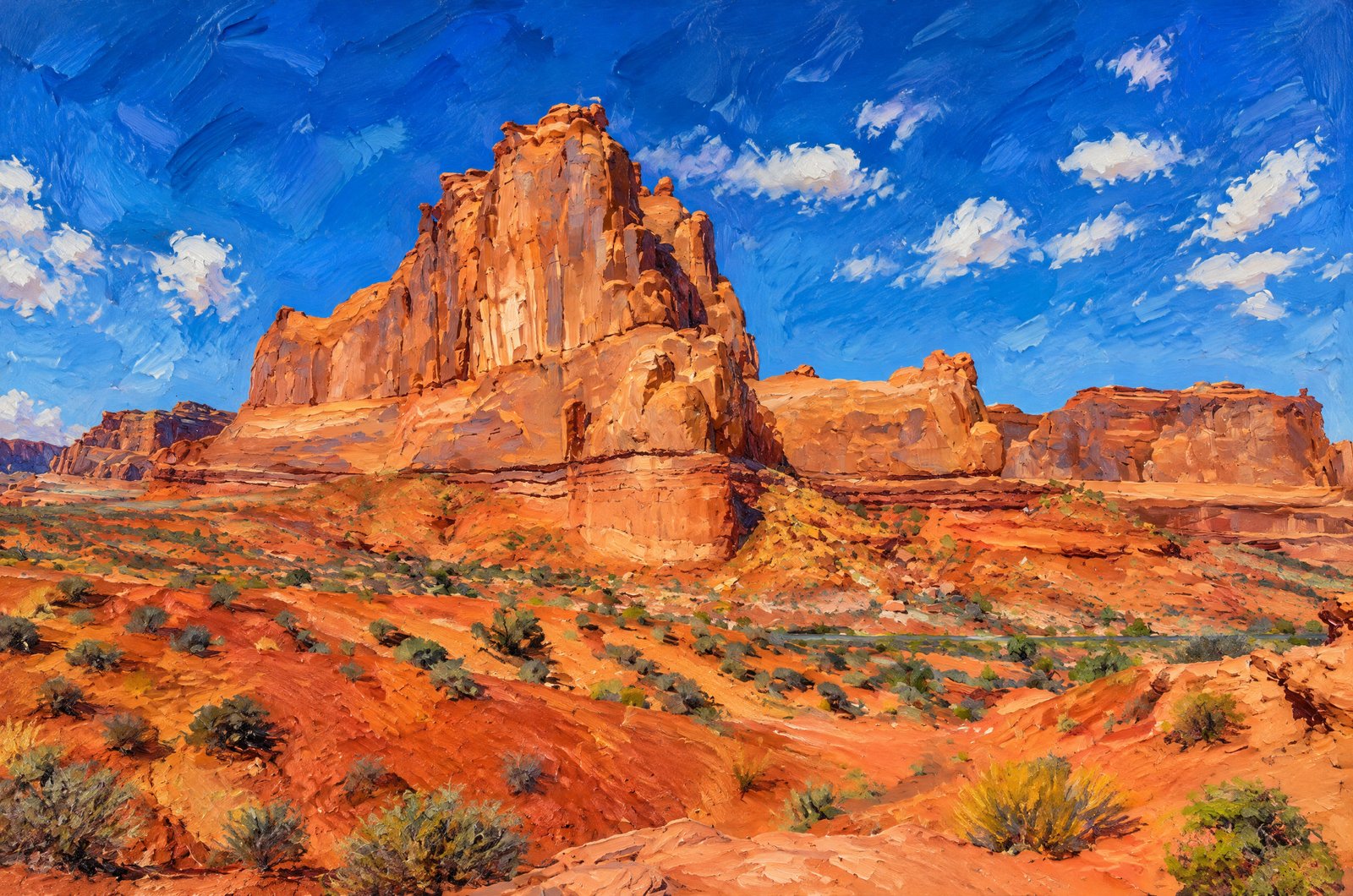 Painterly
Courthouse Towers Arches National Park
The Organ, a massive sandstone monolith, rises more than 200 feet above the sagebrush flats in the Courthouse Towers section of Arches National Park near Moab, Utah, its sheer vertical face in full midday sun against a deep blue sky. Key Features: The Formation: Water and wind carved these Entrada Sandstone fins and towers from a once-continuous layer of rock over millions of years. The Location: The Organ stands along Park Avenue, one of the first great landmarks inside the park, near the Tower of Babel and the Three Gossips. The Setting: Red soil and scattered blackbrush cover the high desert about four miles from the park entrance outside Moab.
Prints from $41Prints only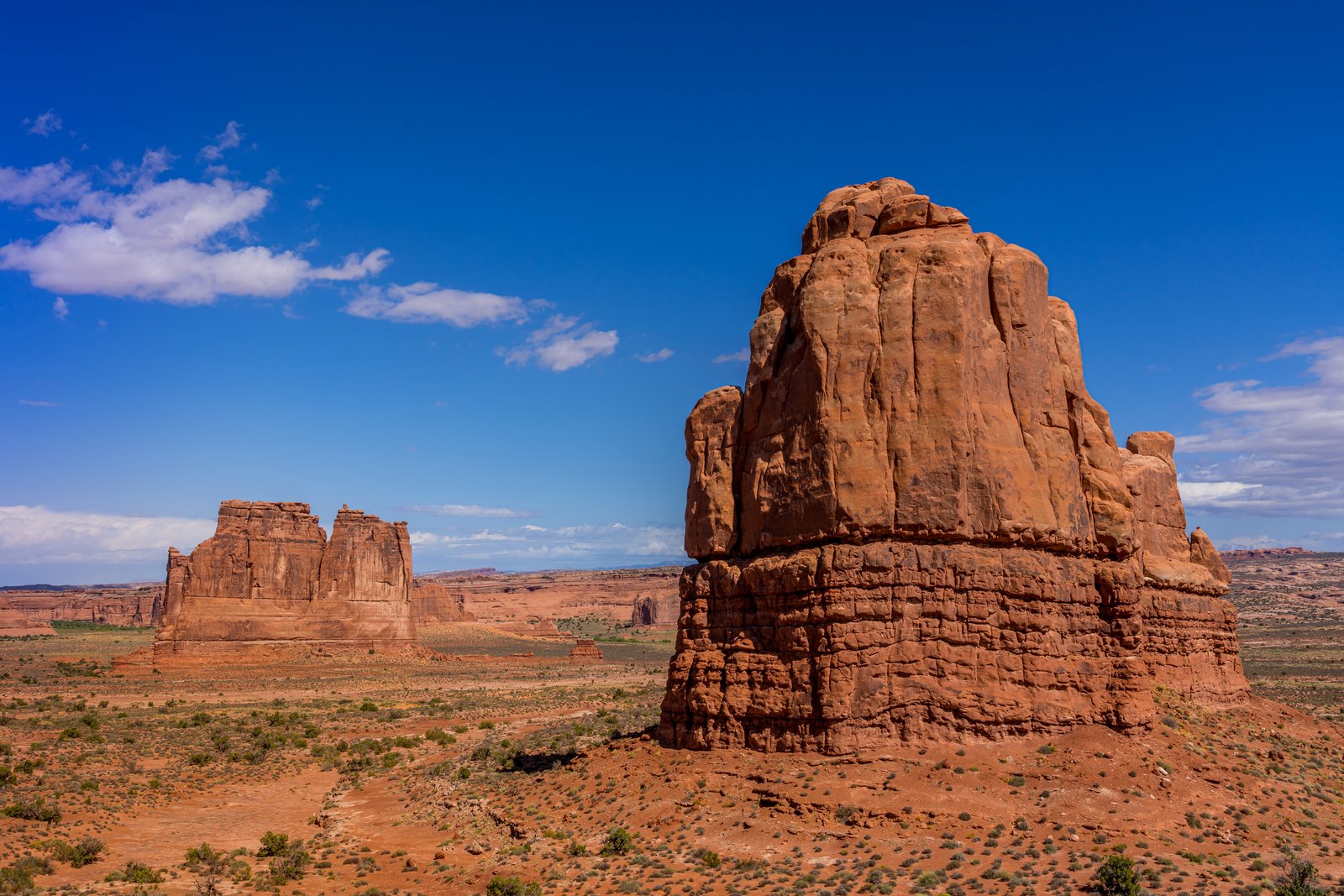
Arches National Park
A towering sandstone monolith rises close in front, with the layered Courthouse Towers group standing farther off across open high desert scrub under a wide blue sky, along the scenic drive of Arches National Park near Moab, Utah. Key Features: Rock Formations: The Courthouse Towers hold some of the park's largest monoliths, including the Three Gossips, Sheep Rock, the Tower of Babel and the Organ. The Geology: The towers are Entrada Sandstone, left standing as erosion wore away the rock around them. The Drive: They stand beside the Arches Scenic Drive, one of the most visited areas of the park. The Desert: Sparse shrubs and red sandy soil fill the high desert around Moab.
Prints from $22Downloads from $19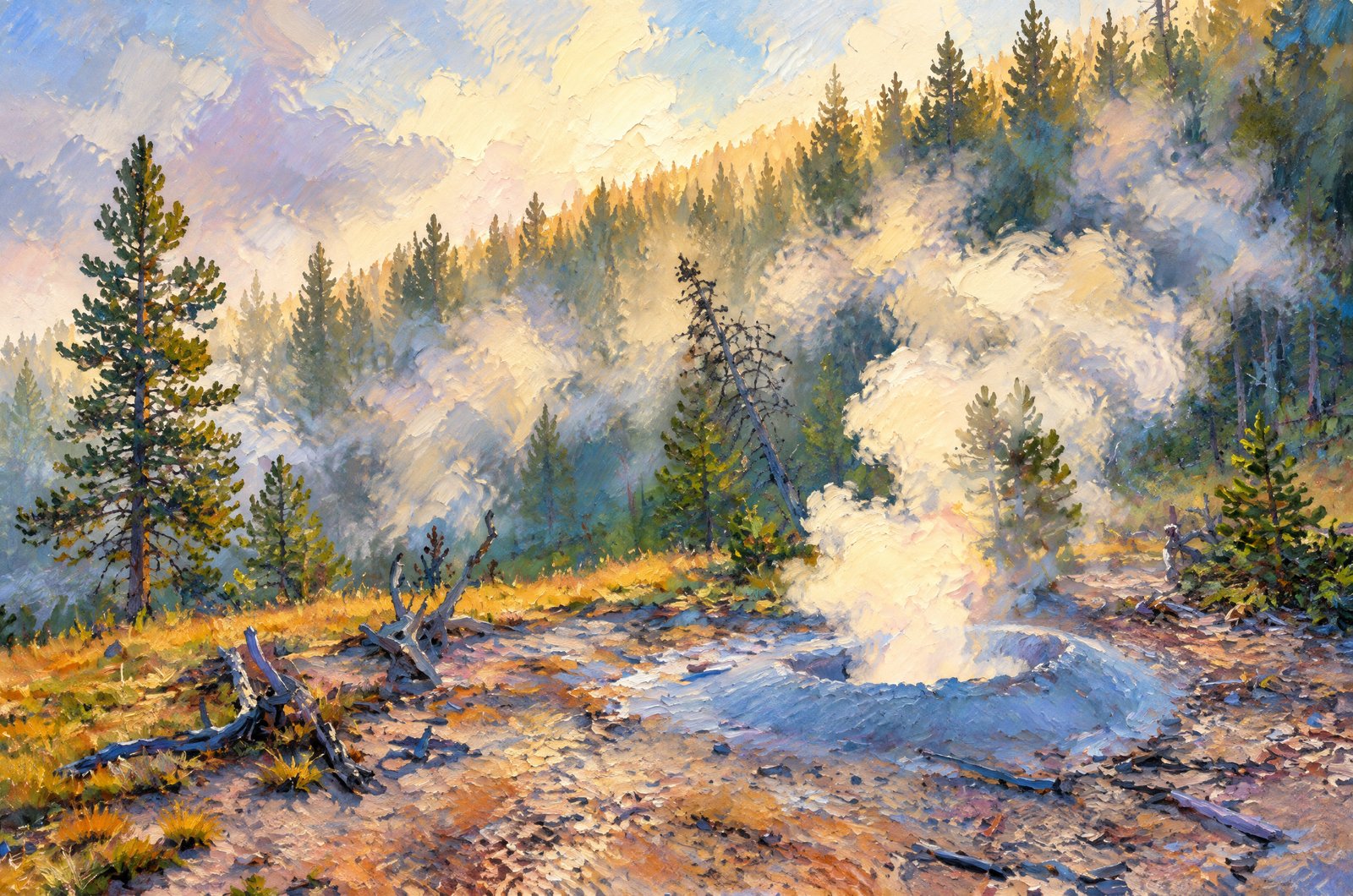 Impressionist
Yellowstone Lone Fumarole Breaks Through
At first light, a lone fumarole breaks through a mineral-crusted vent on a forested hillside in Yellowstone National Park, sending thick plumes of steam into the cool morning air among lodgepole pines, weathered deadfall and drifting fog. Key Features: The Fumarole: A steam vent, releasing gas and vapor with little liquid water. Fumaroles are Yellowstone's hottest features; some in Norris Geyser Basin reach 280 degrees Fahrenheit. The Setting: Lodgepole forest and bare, mineral-stained ground surround the park's backcountry thermal clearings. The Park: Yellowstone sits atop one of the world's largest volcanic systems, which powers its geysers, hot springs, mudpots and fumaroles. The Atmosphere: Cold morning air makes the steam billow, the fog drifting through the timber.
Prints from $41Prints only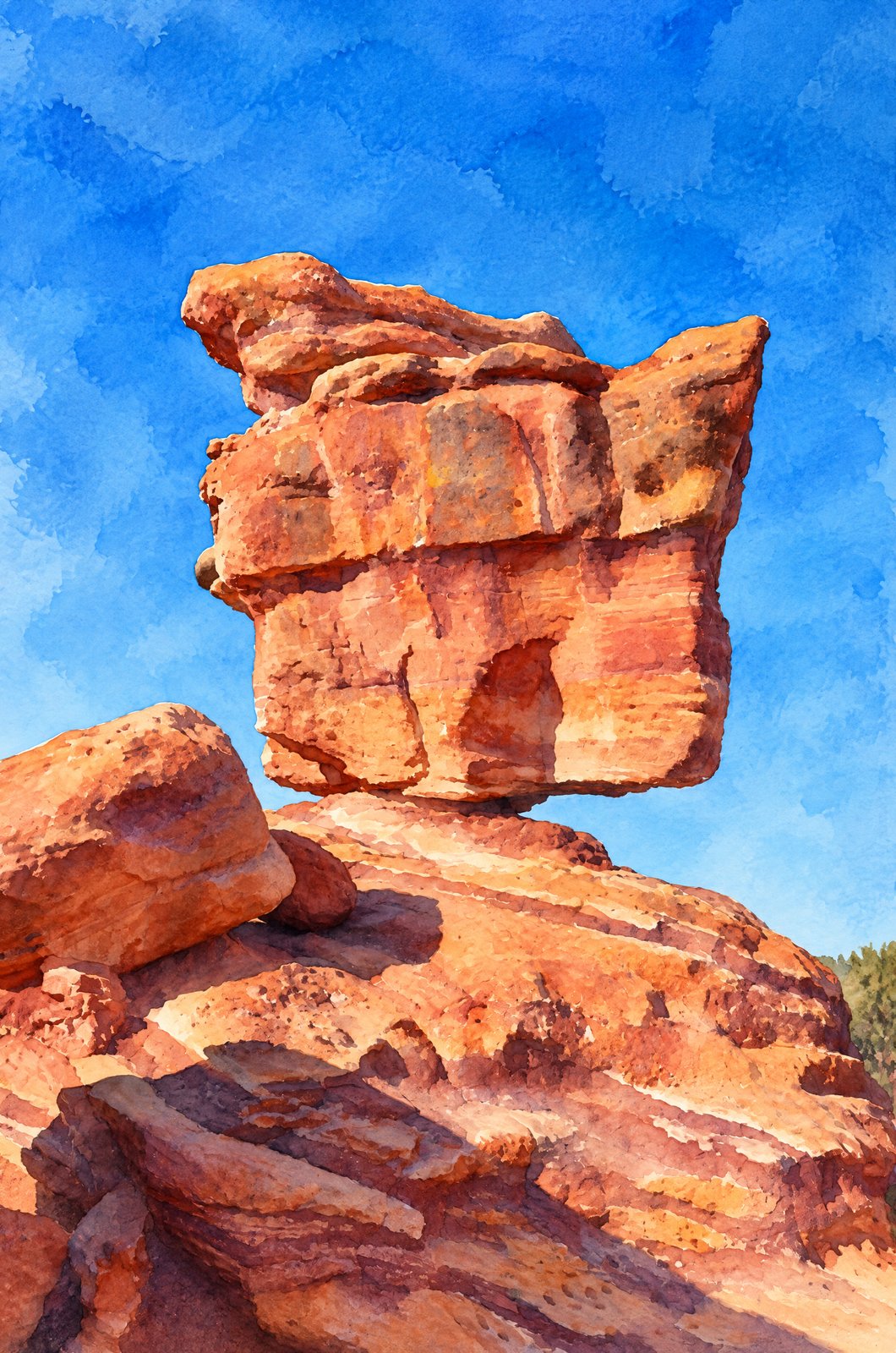 Watercolor
Garden Of Gods Colorado
Balanced Rock towers overhead at the southern entrance of Garden of the Gods near Colorado Springs, Colorado, its massive red sandstone form perched on a narrow base atop a larger sloping rock, the layered bands of the Fountain Formation clear against a brilliant blue sky. Key Features: The Formation: A 35-foot sandstone boulder weighing about 1.4 million pounds, seemingly defying gravity on its small base. The Location: It stands near the park's southern entrance. The Geology: The Fountain Formation sandstone was tilted up from deep underground and then shaped over the ages by rivers, wind and rain. The Draw: Poised above the park road, it is one of Garden of the Gods' favorite photo stops.
Prints from $41Prints only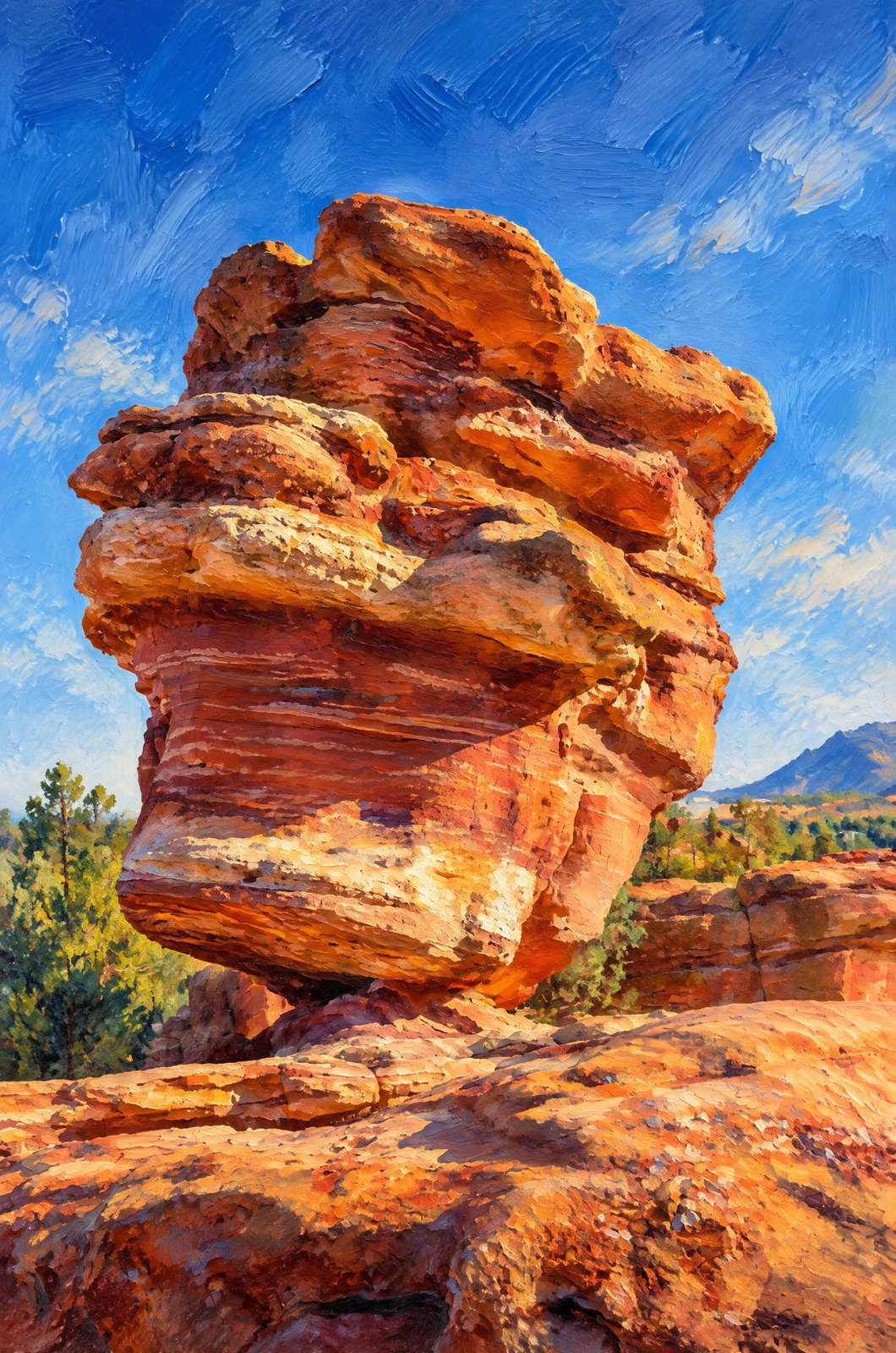 Painterly
Garden Of Gods Colorado
Soft morning light falls on Balanced Rock near the south entrance of Garden of the Gods in Colorado Springs, Colorado, seen from low so the massive boulder looms on its narrow base, its weathered red and cream bands above scrubby junipers and the Rocky Mountain foothills beyond. Key Features: The Formation: A 35-foot sandstone boulder weighing about 1.4 million pounds, balanced on a small base. How It Formed: Over the last two or three million years, a soft layer at its base wore away faster than the hard sandstone above, leaving the boulder perched on a narrow pedestal. The Park: Balanced Rock is a free roadside landmark and one of the best known in the Colorado Springs area.
Prints from $41Prints only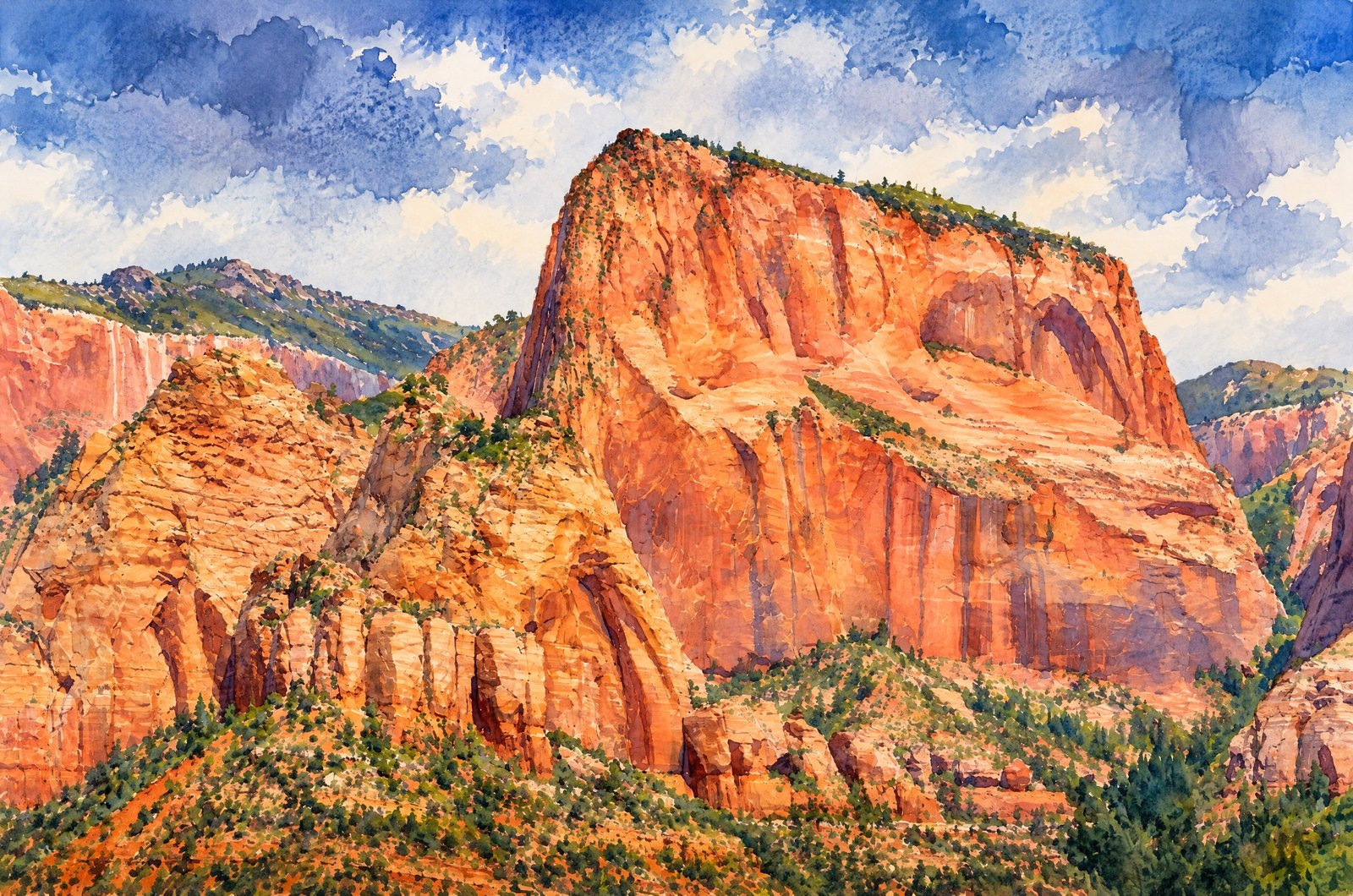 Watercolor
Kolob Canyons
A massive wall of red and orange Navajo sandstone rises above layered cliffs and forested slopes in the Kolob Canyons section of Zion National Park, southwestern Utah, a great natural alcove carved into its face as storm clouds gather overhead, seen from an overlook on Kolob Canyons Road. Key Features: The Finger Canyons: Just off Interstate 15, Kolob Canyons holds parallel finger canyons with soaring cliffs of red Navajo sandstone and deep pocket canyons. The Quiet Corner: Far from the crowds of Zion Canyon, this northwestern section is known for the deep pink and orange glow of its sandstone. The Geology: The road crosses the Hurricane Fault, where the edge of the Markagunt Plateau is laid open like a giant cutaway. The Drive: Kolob Canyons Road is a five-mile scenic drive to viewpoints like this one.
Prints from $41Prints only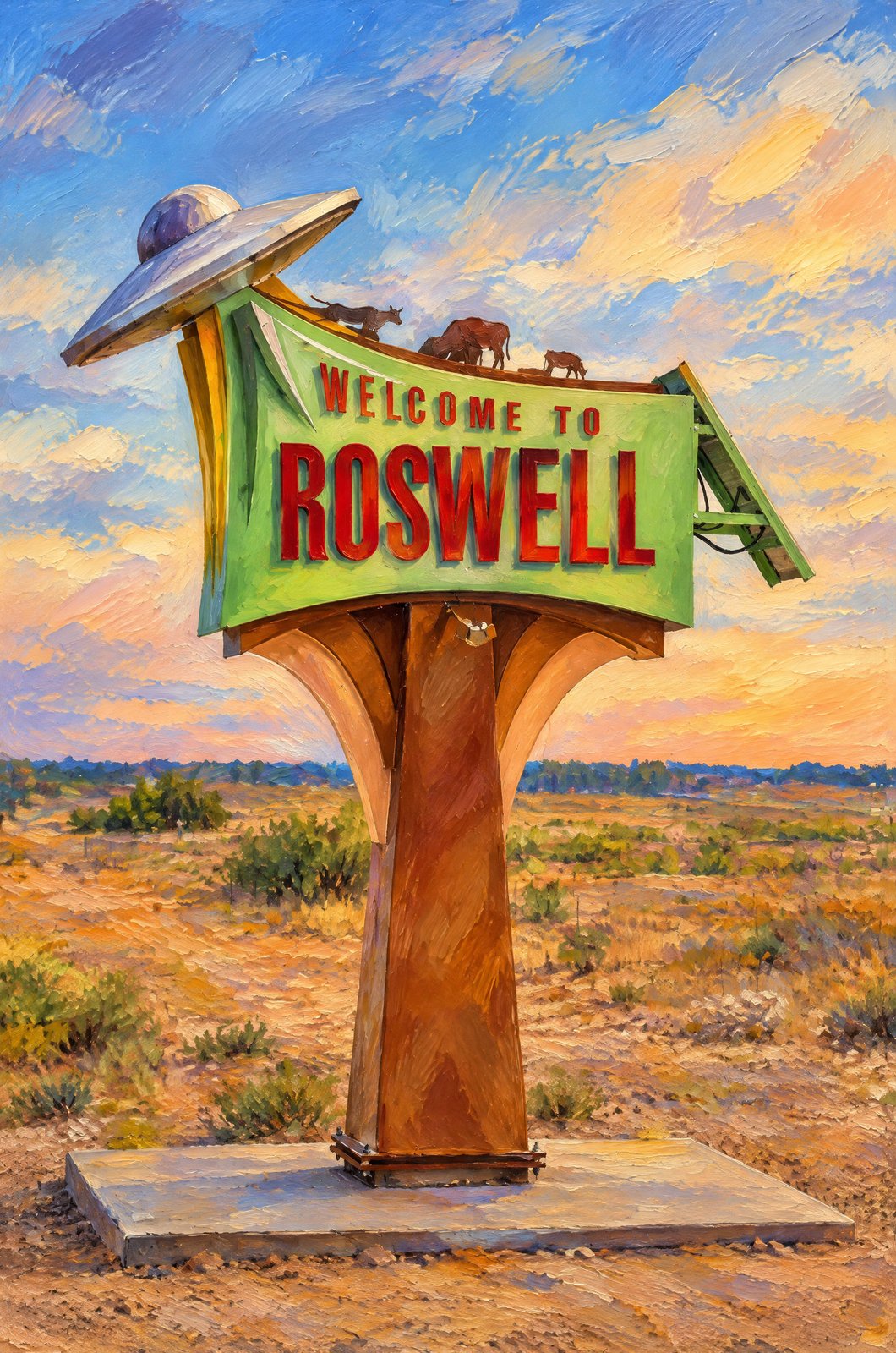 Painterly
Welcome To Roswell New Mexico
A whimsical highway sign on US 285 welcomes travelers to Roswell, New Mexico, a flying saucer hovering over a line of cattle and beaming them up above bold red letters, with flat desert scrub stretching to the horizon. Key Features: The Signs: Roswell paid a design company $120,000 for three saucer-themed welcome signs on the main roads into town. The 1947 Legend: Visitors come because of the 1947 Roswell incident, when reports of a crashed flying saucer made the town famous. Design Variety: Finished in May 2017 for the 70th anniversary, each sign is different: a hovering saucer, a crashed saucer, or one lifting an unlucky Roswell cow. After Dark: Each sign is solar-powered, lighting its saucer in colorful blinking LEDs at night.
Prints from $41Prints only