


Photographer
Rick Billings, M. Photog., Cr.
Orlando, Florida
I've been a professional photographer since I graduated high school in 1978. I'm bringing over four decades of professional photography experience and offering images I captures as beautiful display prints in your home or office.
Collections
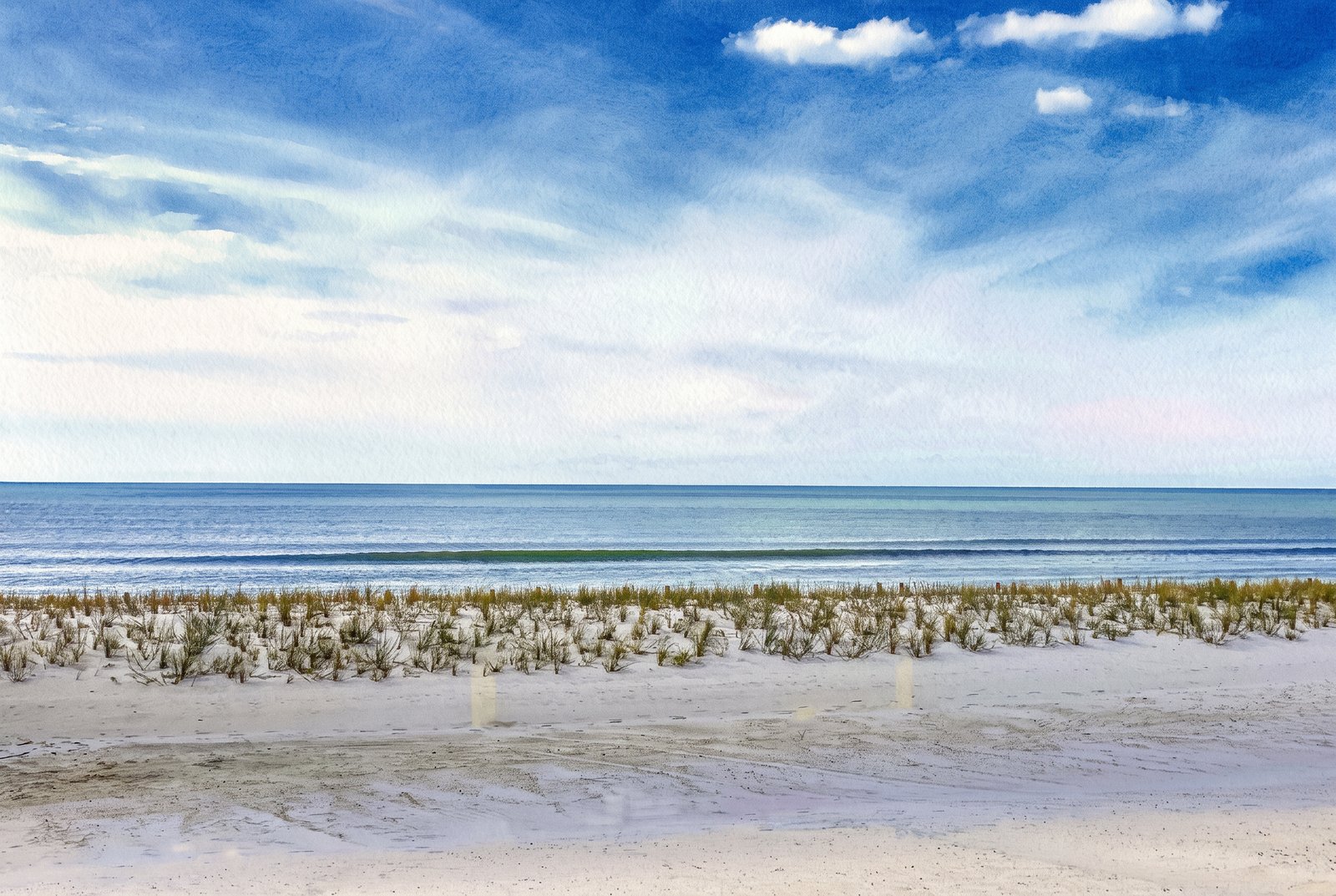
USA
80 photos
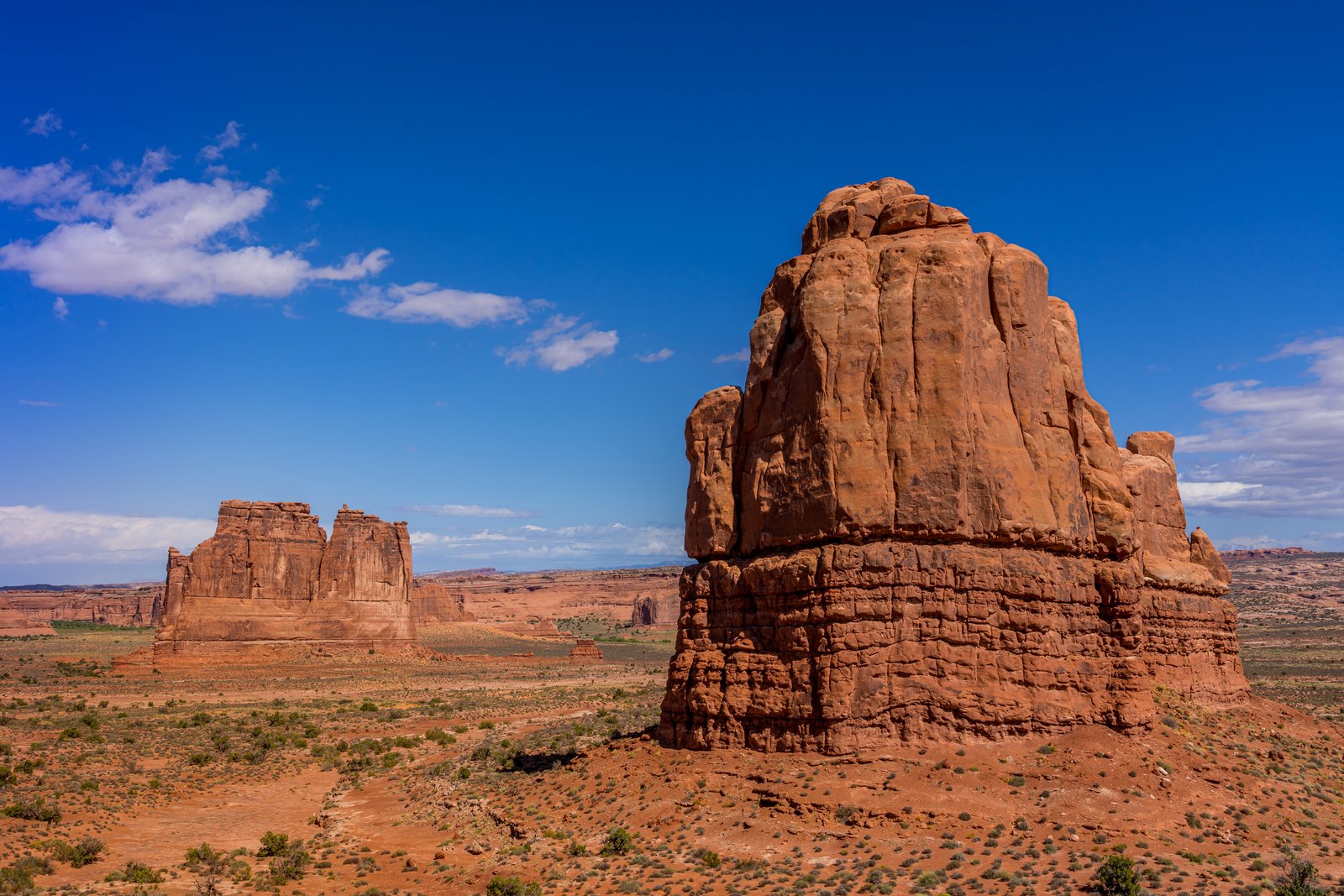
Arches, Bryce Canyon, Moab & Zion National Park - Utah
15 photos
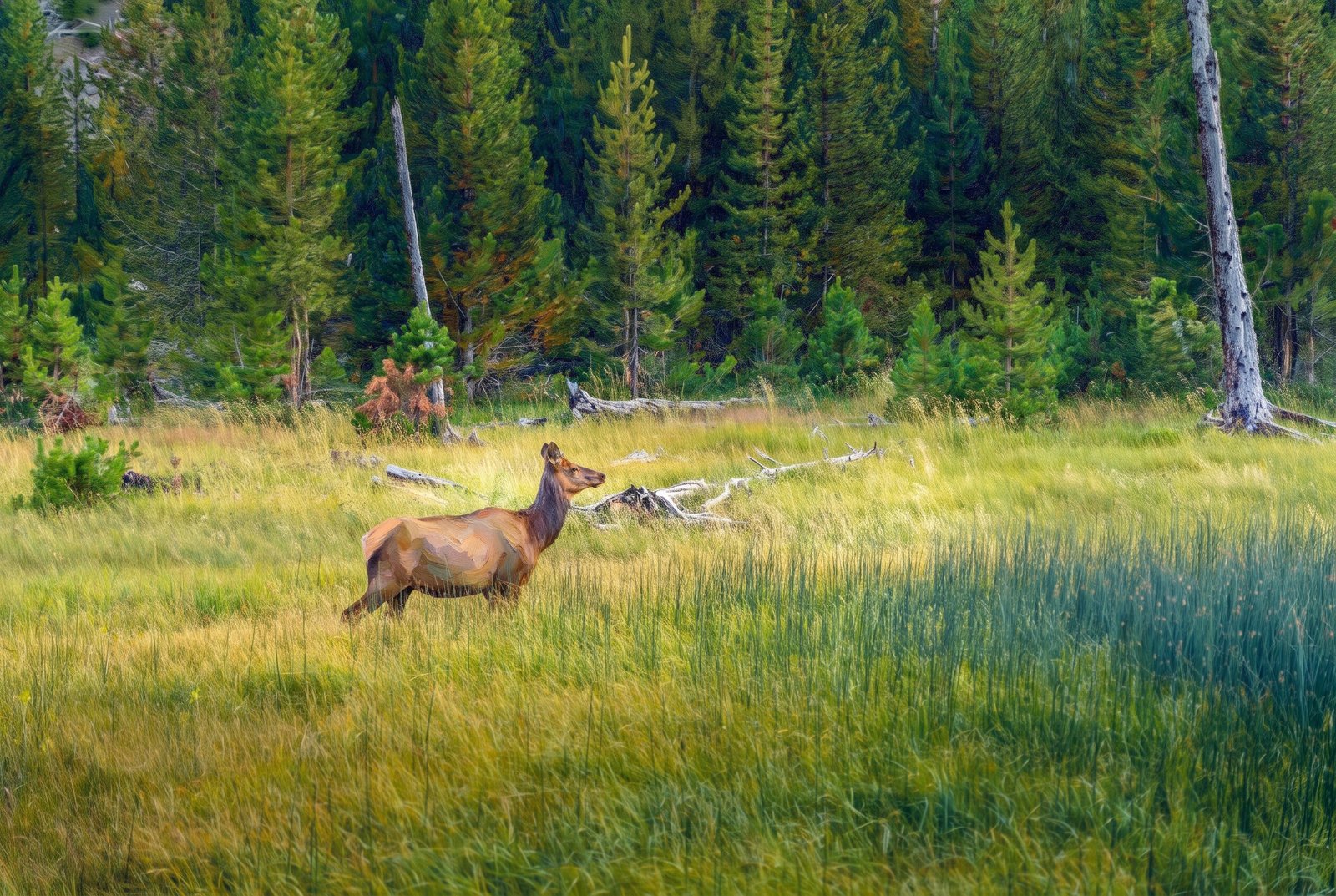
Yellowstone National Park, Wyoming
32 photos
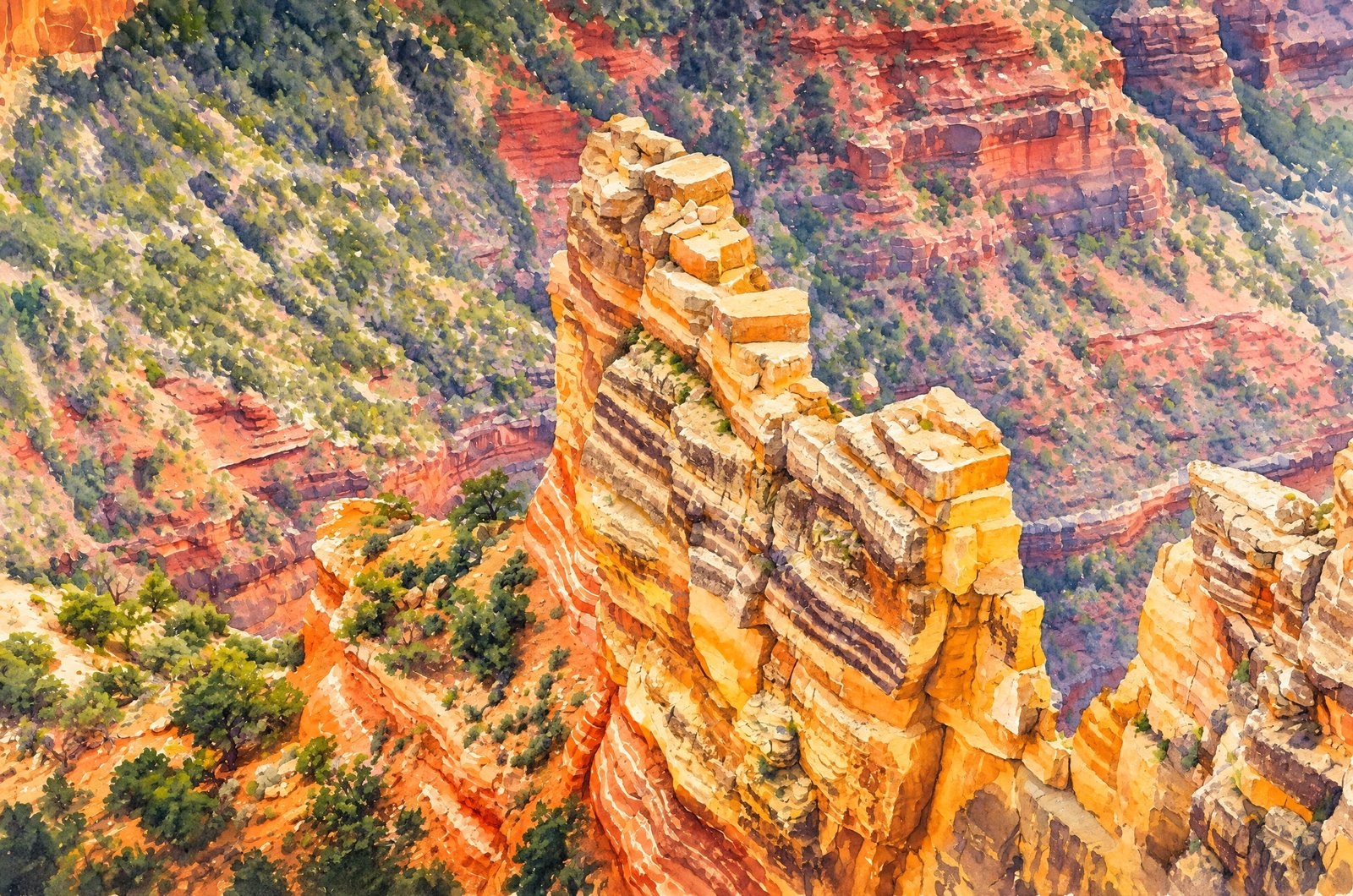
Grand Canyon National Park - Arizona
22 photos
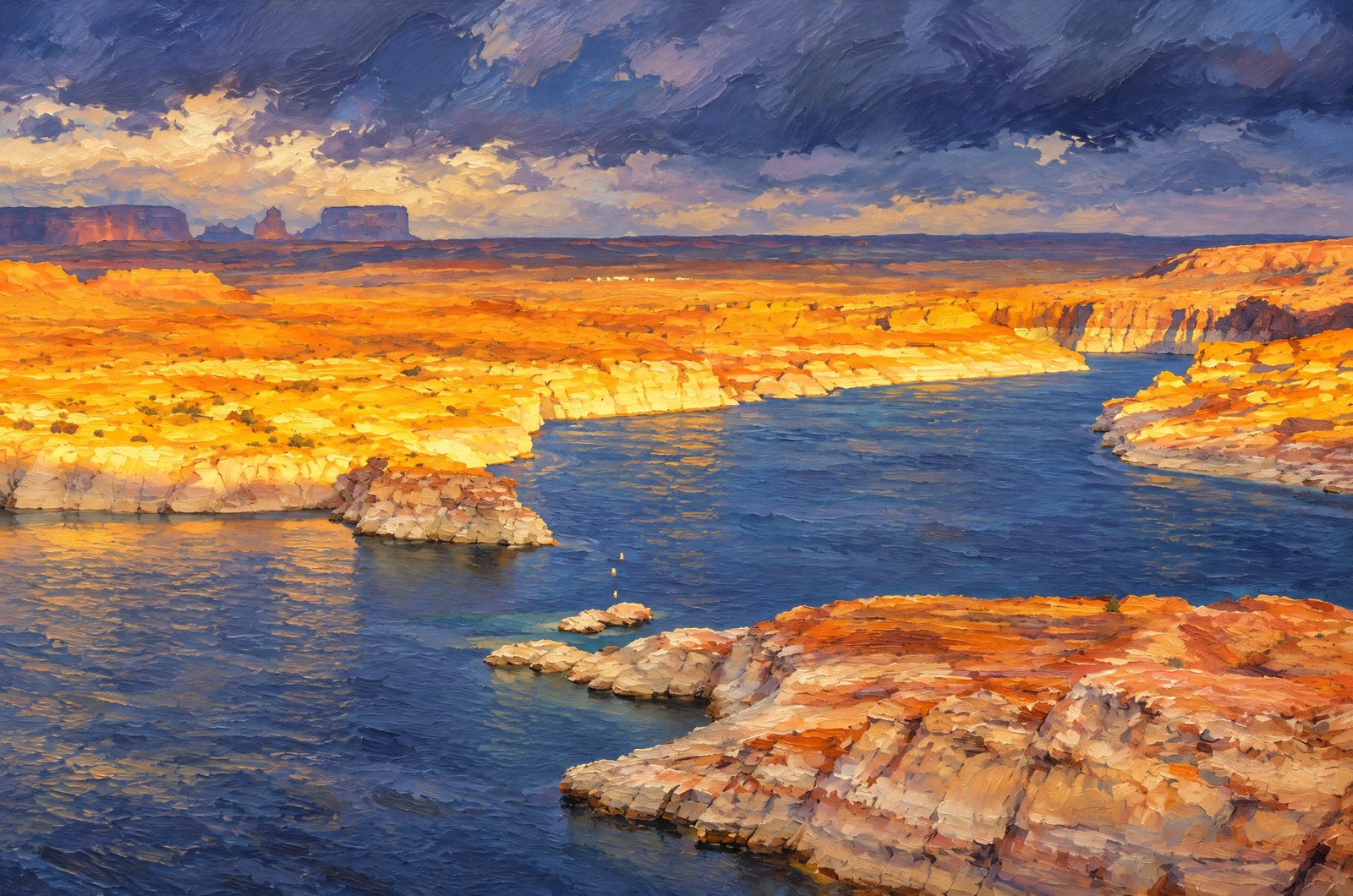
Lake Powell Page - Arizona
26 photos
Pacific Coast, USA
36 photos
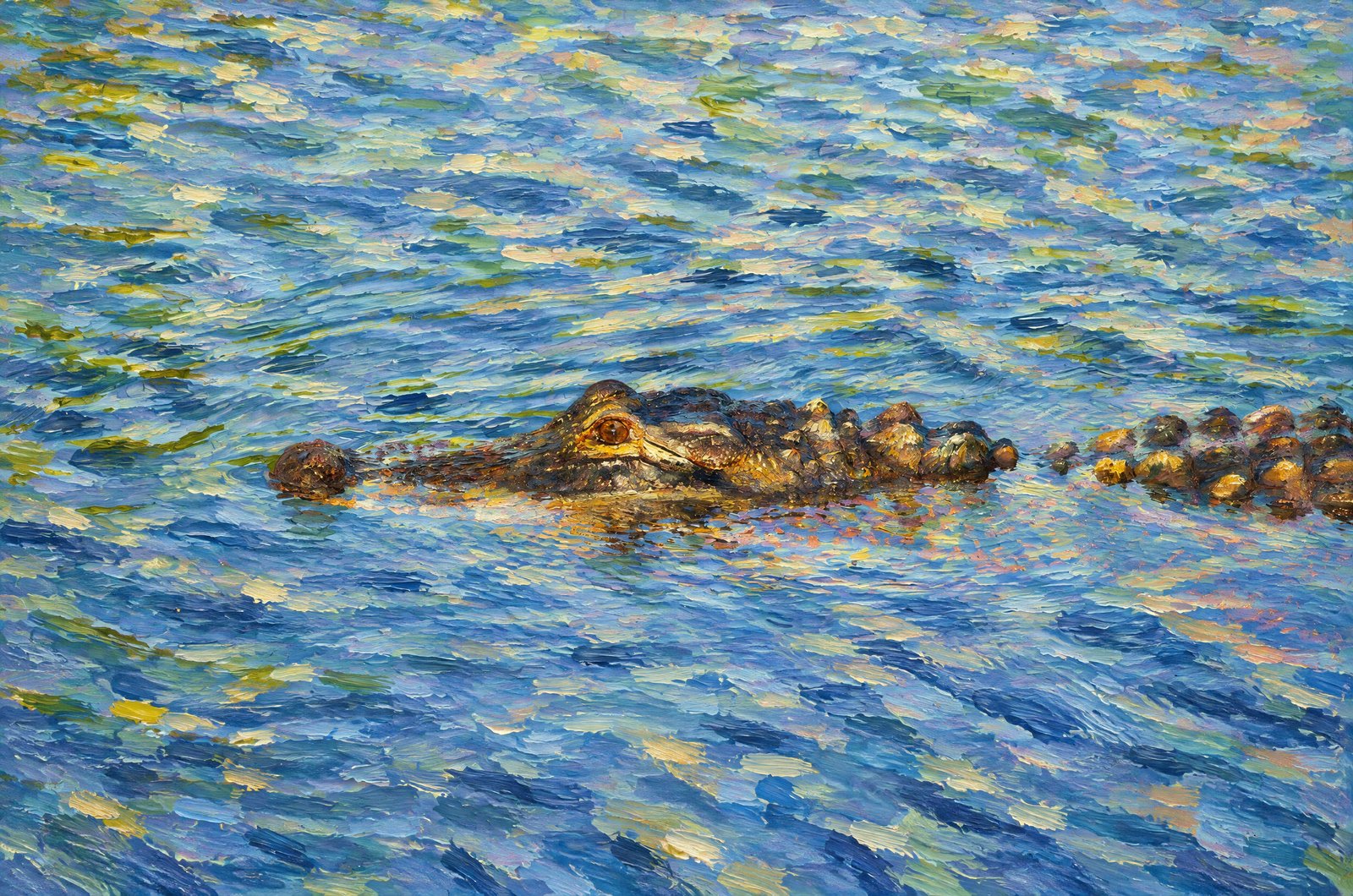
Animals
15 photos
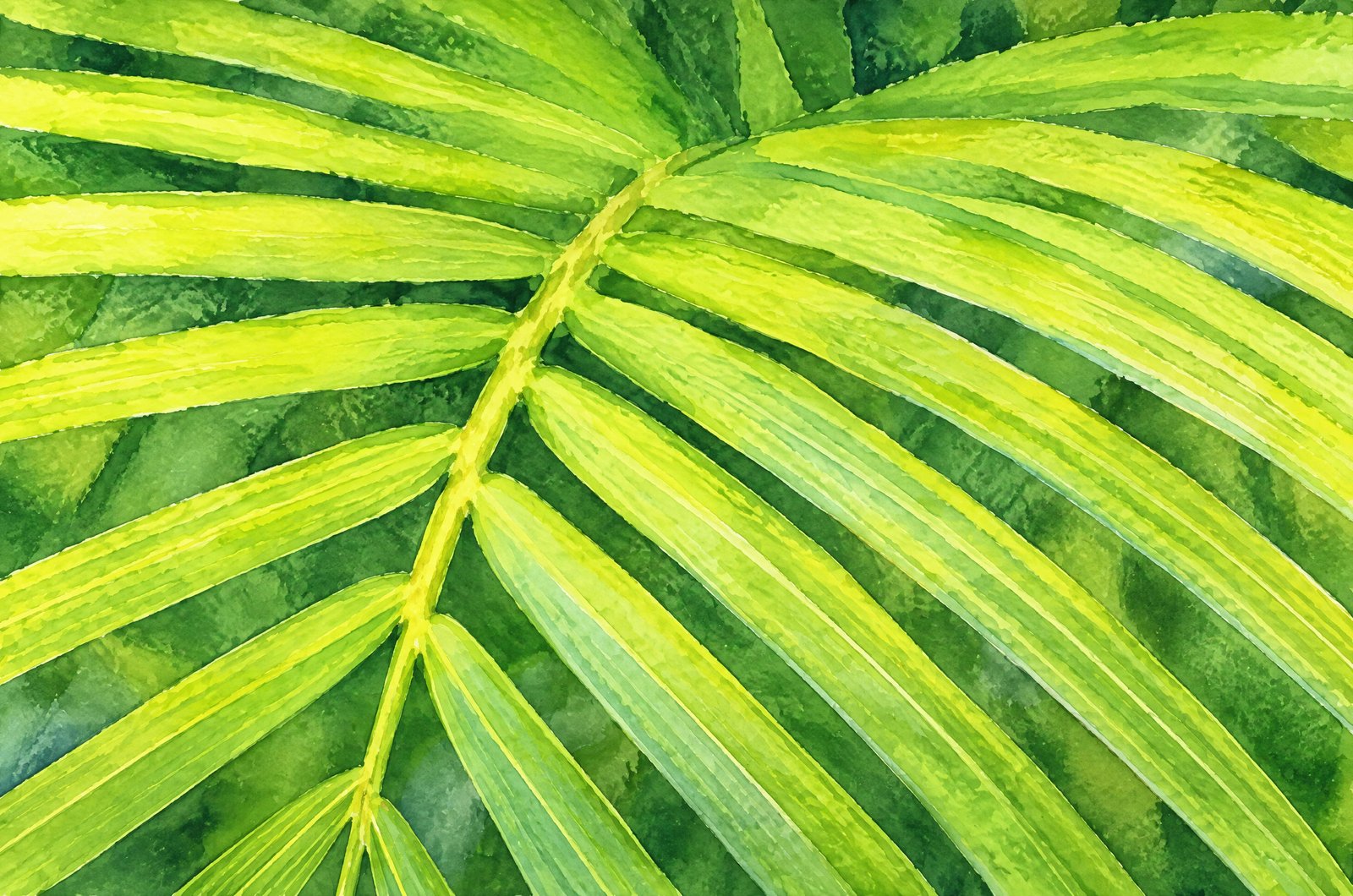
Flowers
18 photos

United Kingdom
15 photos
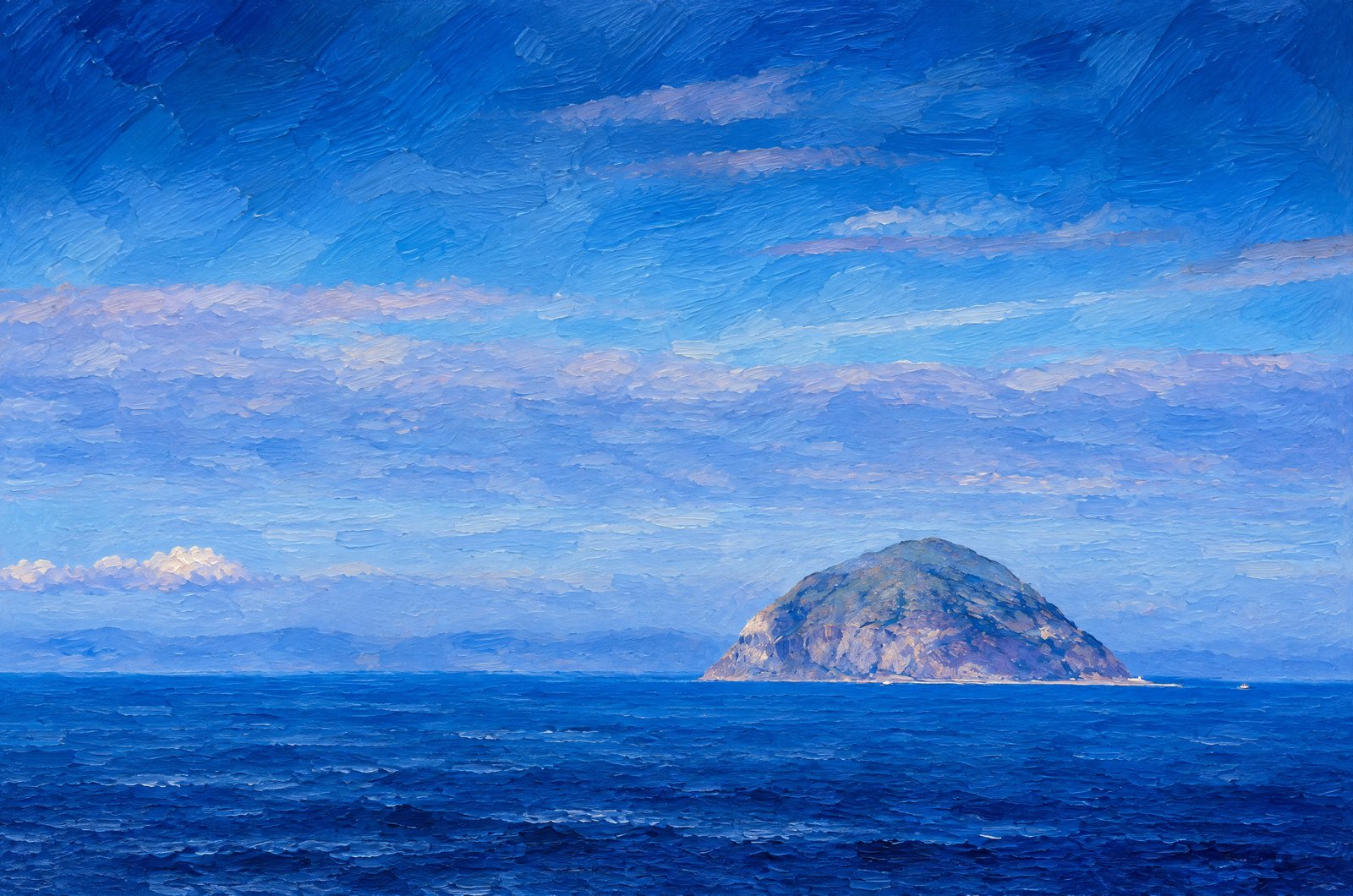
Scotland
54 photos
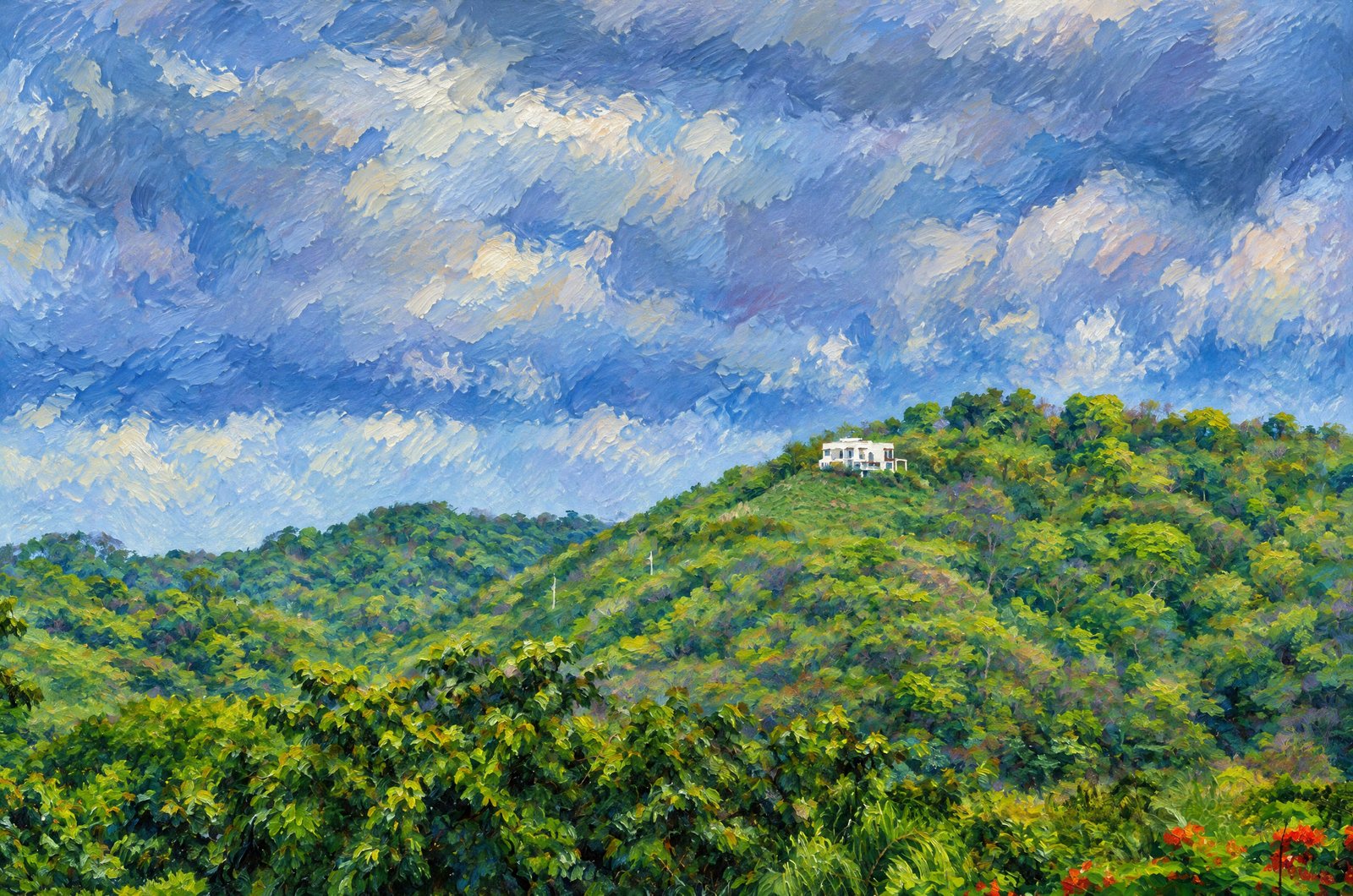
Costa Rica
2 photos
All Photos By Rick Billings, M. Photog., Cr.
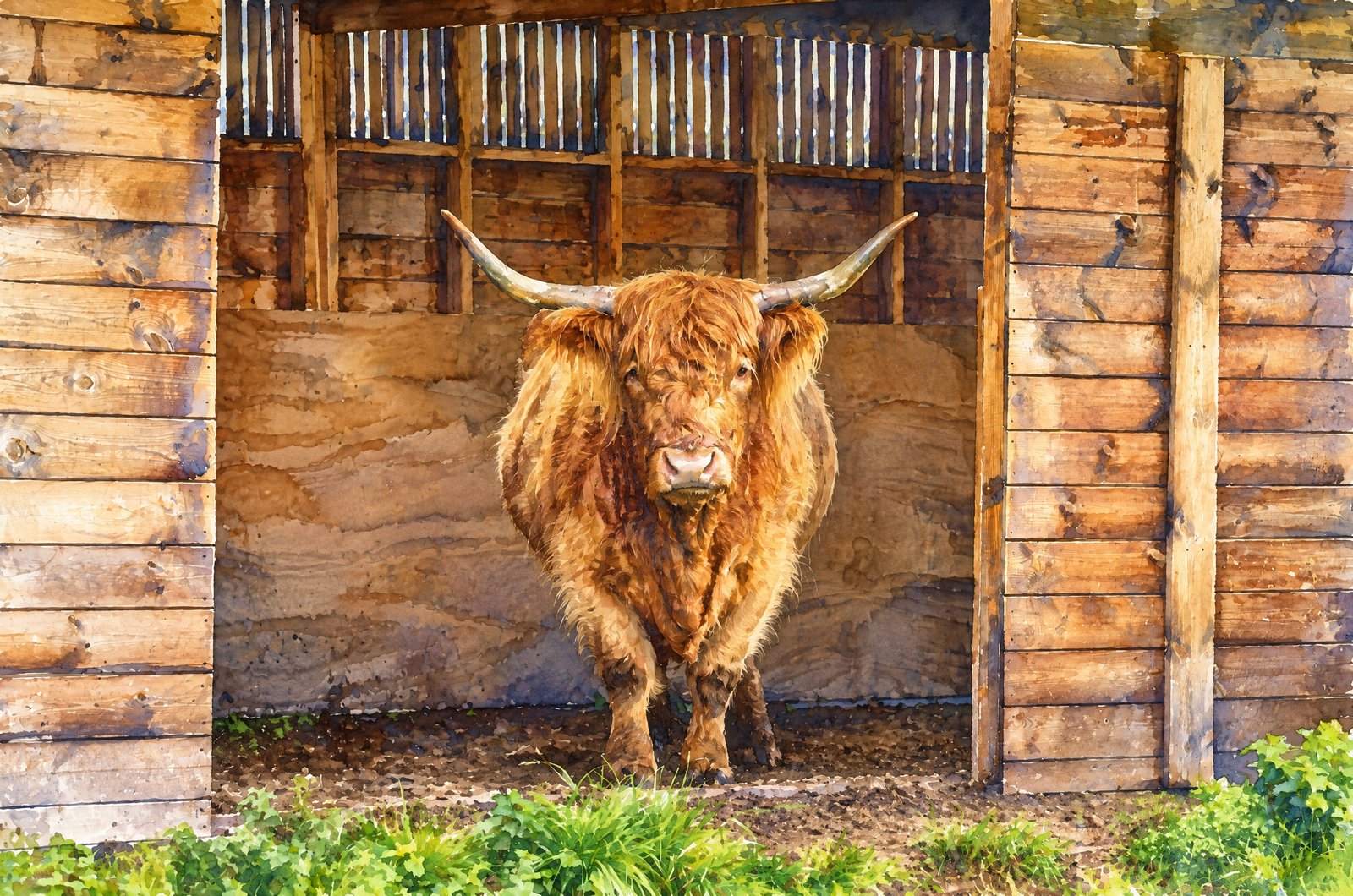 Watercolor
Highland Cow, Scotland
A Highland cow faces the camera from the open doorway of a timber byre on a Scottish farm, its long horns and shaggy auburn coat lit by soft daylight, with straw bedding and grass at the threshold. Key Features: The Breed: Highland cattle come from the Highlands and Outer Hebrides, a rustic breed recorded as early as the 6th century and prized for its long horns and shaggy coat. The Coat: A thick, woolly double coat and sweeping horns help them through hard winters, scarce forage and exposed uplands. The Byre: Timber shelters like this one are still used on Scottish farms, giving hardy cattle protection while they come and go freely. The Legacy: Highland cattle remain one of Britain's oldest and most recognizable native breeds.
Prints from $41Prints only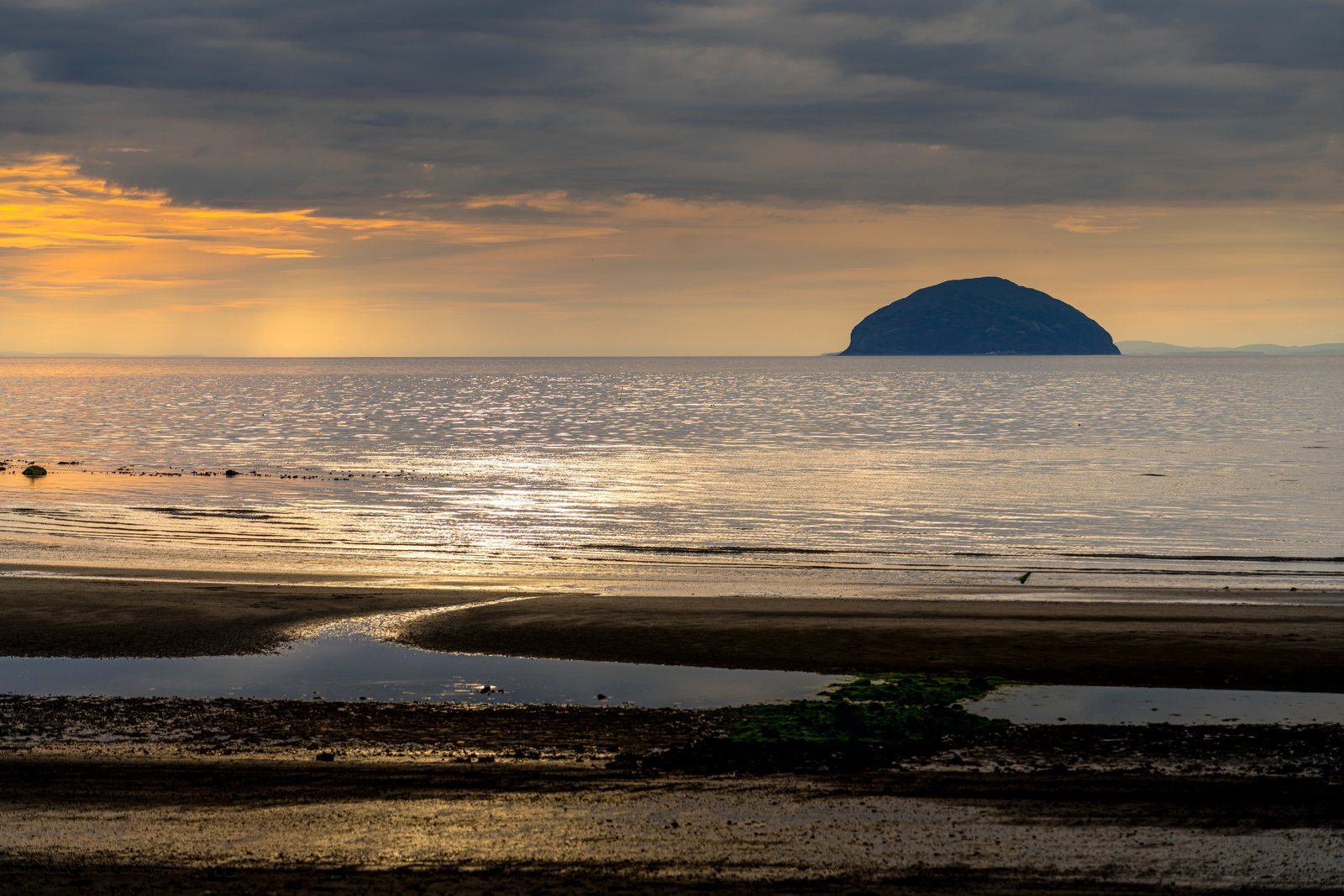
Loch Ryan In Dumfries And Galloway
Across the tidal flats at Stranraer, on the shore of Loch Ryan in Dumfries and Galloway, wet sand, pools and seaweed lead the eye at low tide to the unmistakable dome of Ailsa Craig rising from the Firth of Clyde under a glowing, overcast sky. Key Features: The Island: Ailsa Craig is an uninhabited granite plug, the eroded core of an extinct volcano, rising steeply from the sea about 9 miles off the Ayrshire coast. Curling Stones: Its rare microgranite, called Ailsite, has long been quarried to make curling stones. The Vantage Point: Stranraer sits at the head of Loch Ryan, with wide, low views across the water. Wildlife Haven: The island is a protected bird sanctuary, home to large colonies of gannets and other seabirds.
Prints from $22Downloads from $19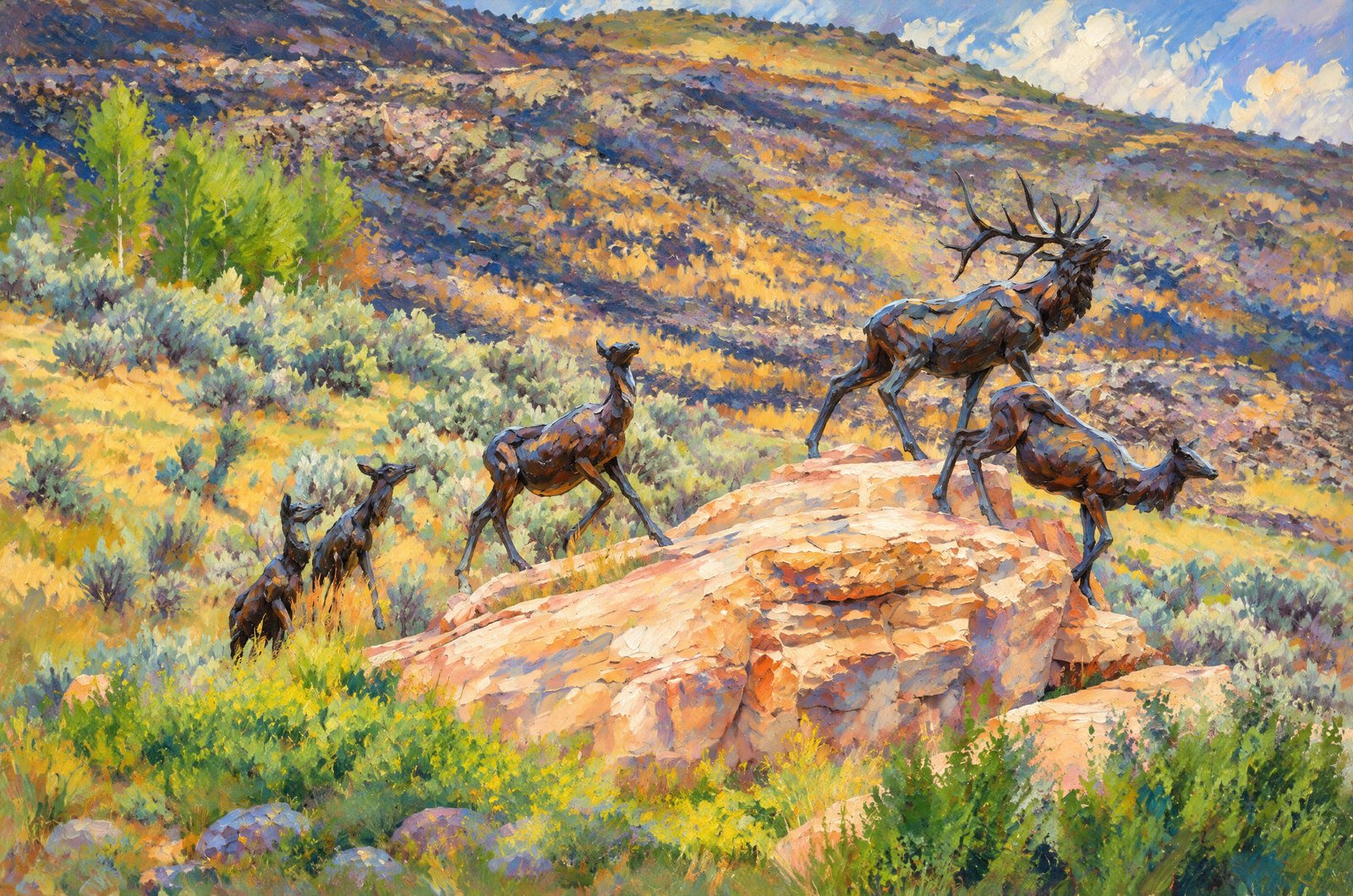 Impressionist
Bart Walter's Bronze Sculpture Wapiti Trail
Five bronze elk climb a sandstone outcrop in staggered file, led by a bull with sweeping antlers, in Bart Walter's sculpture Wapiti Trail at the National Museum of Wildlife Art north of Jackson, Wyoming, set on the sage-covered slope of East Gros Ventre Butte with a hillside blackened by past wildfire behind. Key Features: The Sculpture: Modeled in 2005 and cast in 2007, Wapiti Trail marks the entrance to the museum's sculpture trail. The Setting: The museum sits on a bluff above the National Elk Refuge, placing the elk in the very habitat they portray. The Trail: A three-quarter-mile path winds up the hillside from here, pairing bronze wildlife with views of Jackson Hole. The Landscape: Scorched slopes and sagebrush show the natural fire cycle of this high desert valley.
Prints from $41Prints only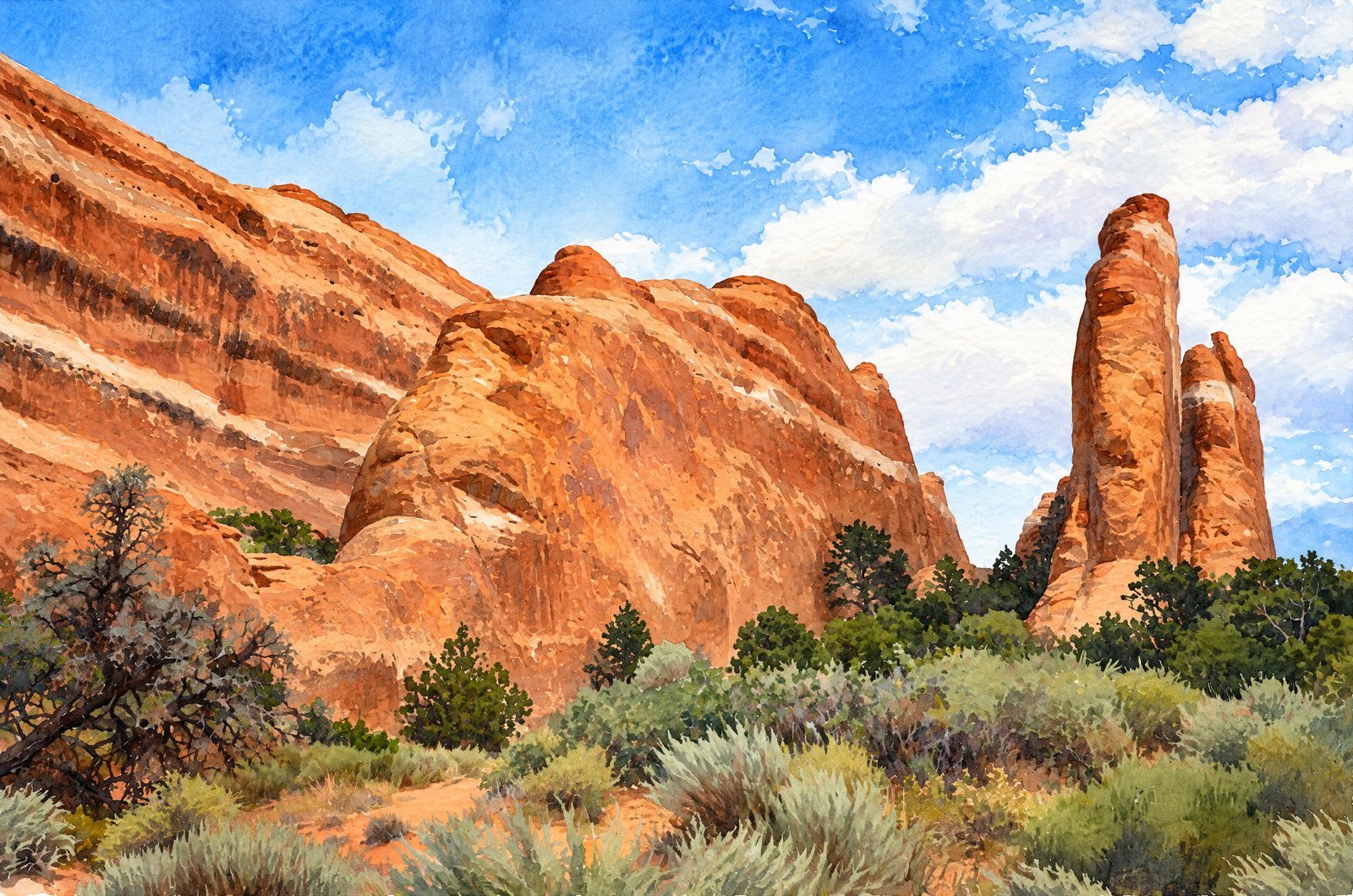 Watercolor
Devils Garden Area Of Arches National Park
Banded red rock walls form a narrow corridor in the Devils Garden area of Arches National Park near Moab, Utah, opening onto a slender, freestanding spire, with juniper and desert shrubs filling the sandy wash along the trail. Key Features: The Rock Formations: Devils Garden is known for its series of sandstone fins and arches carved by erosion. The Trail: The Devils Garden Trail, with its primitive sections and spurs, winds 7.2 miles through the area. The Terrain: Past the early sections, hikers scramble up and over long, narrow sandstone fins through rugged backcountry. The Geology: The fins are slowly eroding sandstone walls that narrow over time and sometimes break through to form the park's famous arches.
Prints from $41Prints only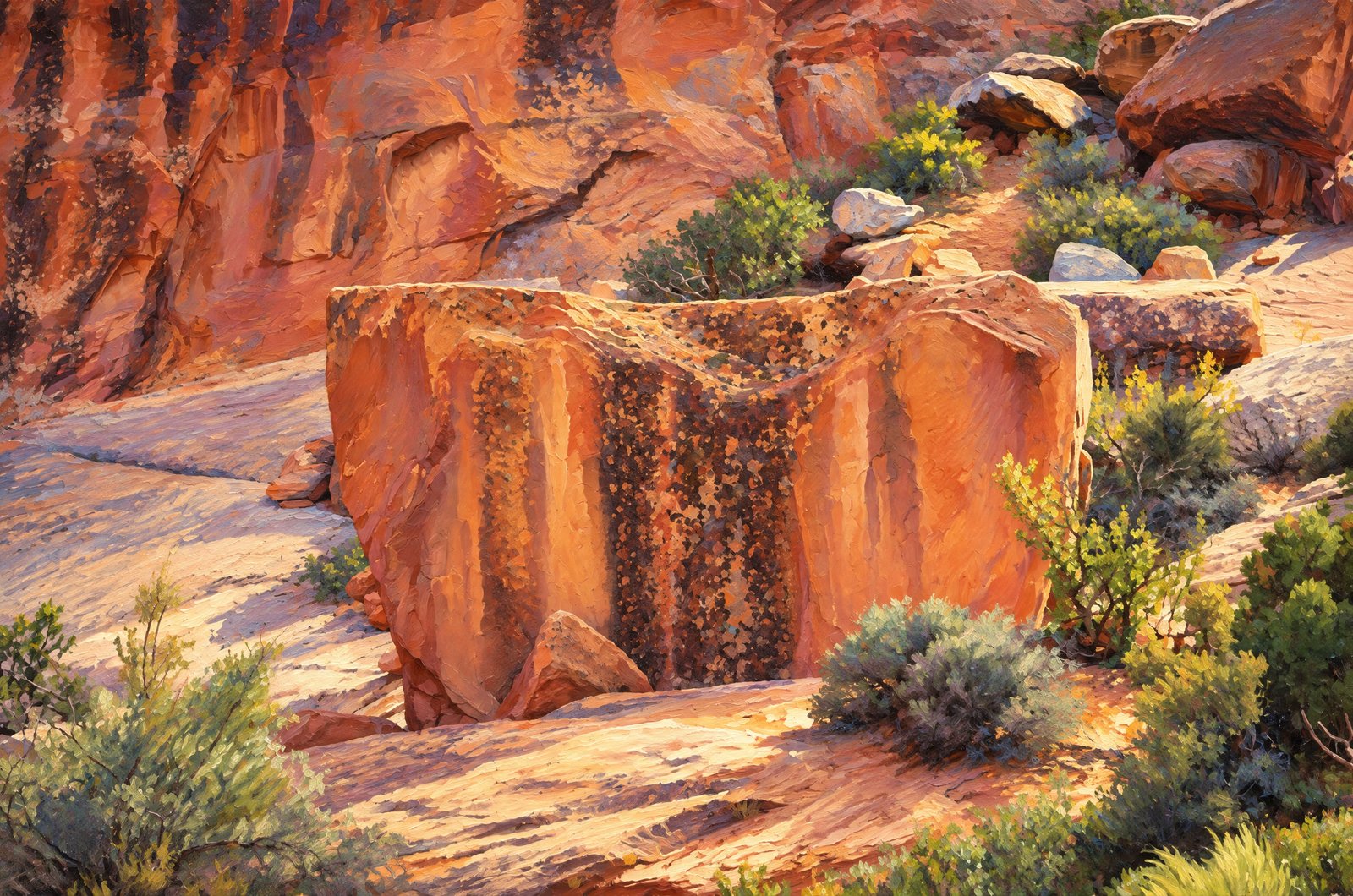 Painterly
Slickrock Trail In Arches National Park
A large block of Entrada Sandstone sits beside a slickrock trail at the foot of a towering canyon wall in Arches National Park near Moab, Utah, dark streaks of desert varnish running down its face as sagebrush and juniper cling to the sandy slope and the path winds on past boulders toward the fins and cliffs. Key Features: The Rock: Entrada Sandstone, laid down about 150 million years ago, forms the fins, walls and arches across the park. The Varnish: The dark streaks are desert varnish, a coating of manganese and iron oxides left as rainwater runs down the rock. The Park: Arches holds the densest concentration of natural stone arches in the world, carved from this red rock by wind and water.
Prints from $41Prints only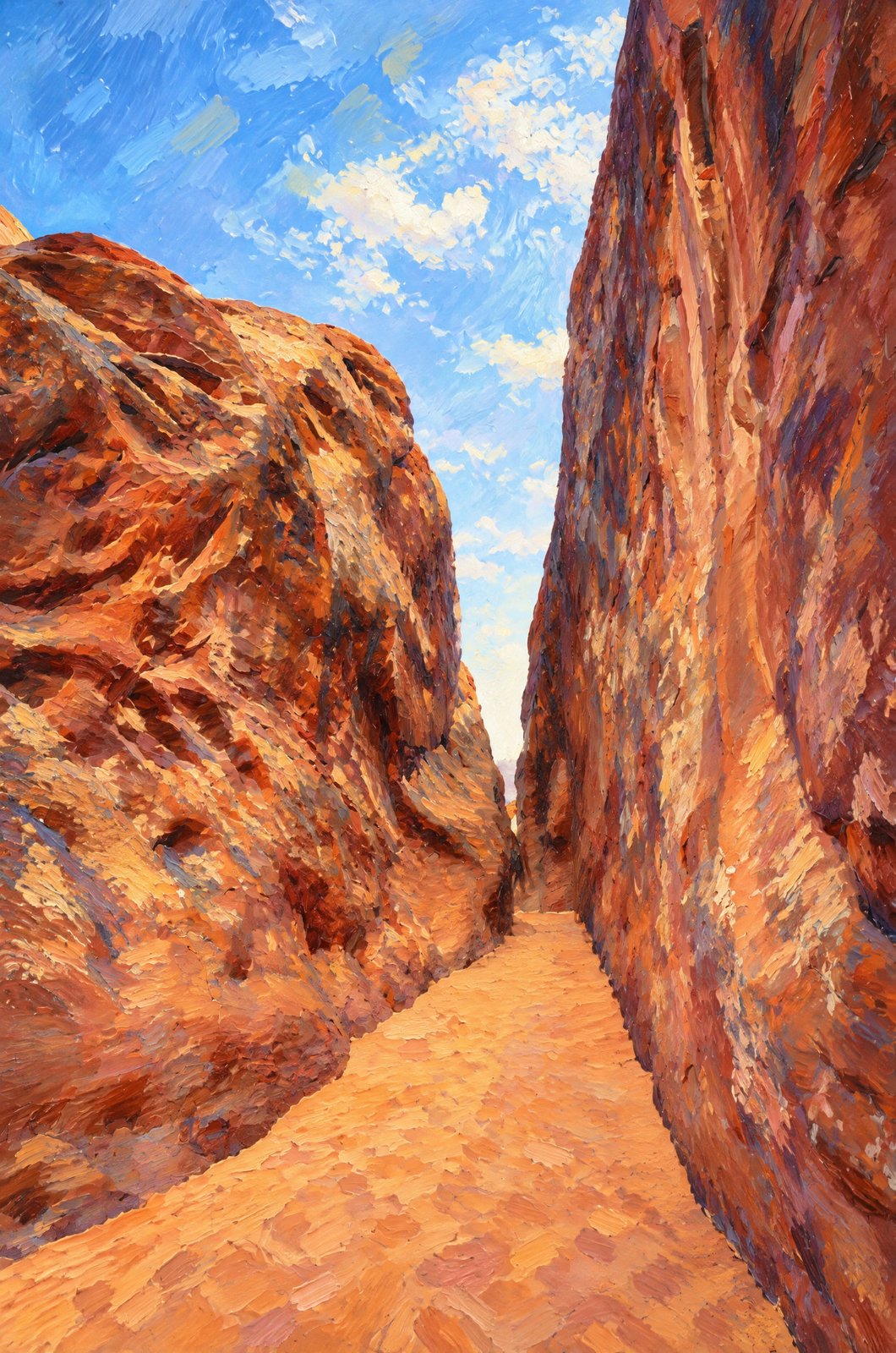 Impressionist
Corridor Of Deep Orange Sand Winds
A narrow corridor of deep orange sand winds between towering sandstone fins in Arches National Park near Moab, Utah, the two walls leaning close overhead with only a thin strip of blue sky between them and soft sand worn smooth by countless footsteps underfoot. Key Features: The Fins: Thin, parallel walls of Entrada Sandstone, carved by wind and water into this shaded passage. The Sand Floor: Fine, wind-blown sand fills the bottom, as on the park's short slot trails such as the route to Sand Dune Arch. The Park: Arches holds the world's largest concentration of natural stone arches, many reached through fins and slots like this one. The Scale: The tight gap and high walls show how deeply the rock has worn away, leaving only a sliver of path and sky.
Prints from $41Prints only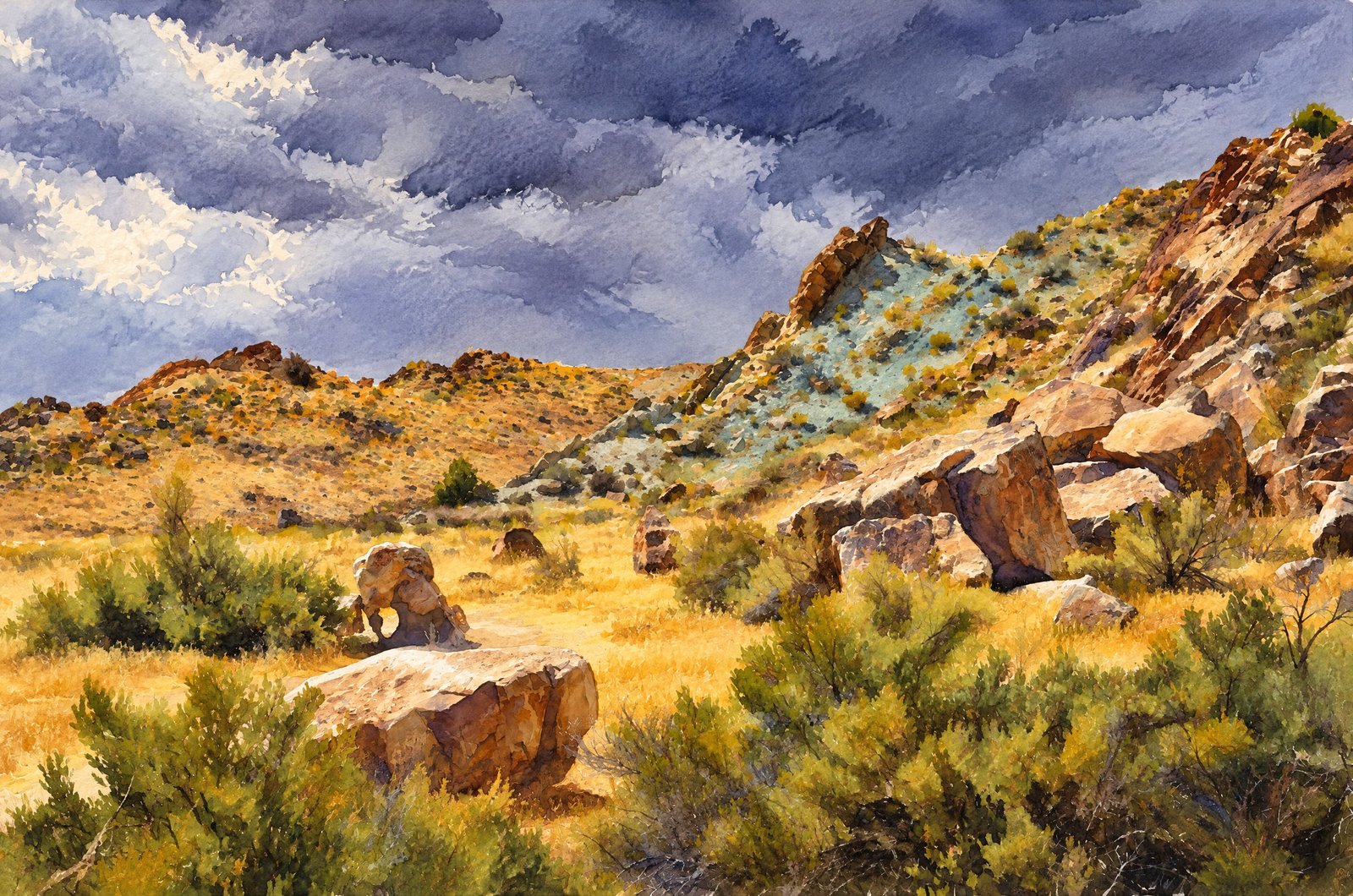 Watercolor
Arches National Park
Weathered boulders and a sage and grass wash lead toward low sandstone hills in Arches National Park, just north of Moab, Utah, where a pale greenish ridge of older clay rises against darker sandstone under a heavy, gathering storm. Key Features: Entrada Sandstone: The starring rock of Arches, and one of the most important layers in the Moab area. The Green Hill: The pale blue-green slope among the red rock is Morrison Formation claystone, whose bentonite layers weather to this muted color. The Park: Five miles north of Moab, Arches protects more than 2,000 natural sandstone arches, the highest concentration on Earth. The Landscape: Water, wind and shifting salt underground have carved this red rock wilderness over millions of years.
Prints from $41Prints only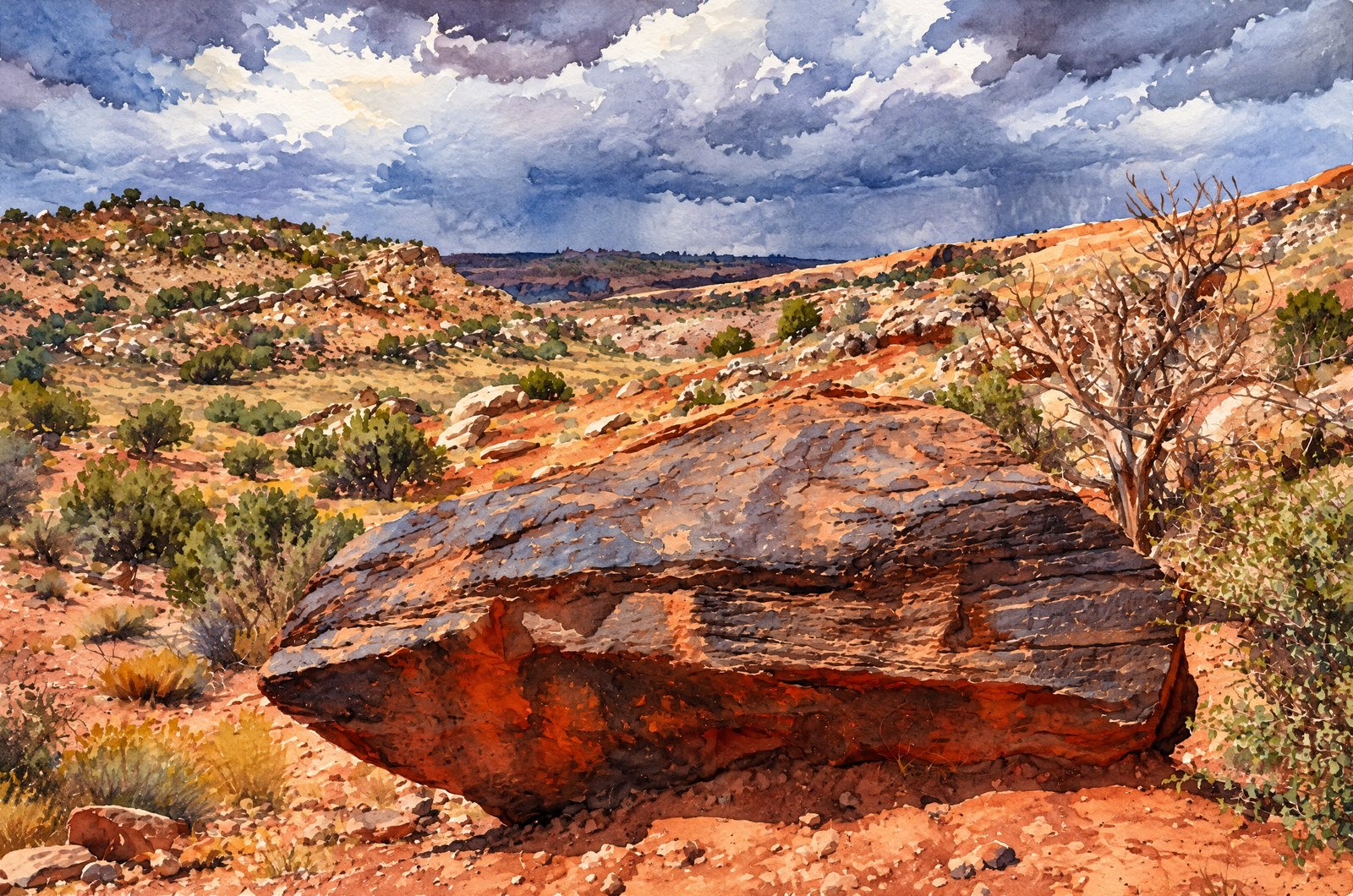 Watercolor
Arches National Park Across High Desert
A massive boulder coated in dark desert varnish fills the foreground in the high desert of Arches National Park, just north of Moab, Utah, its streaked, blackened face set against ruddy slickrock hills, juniper and red sandstone rubble as a heavy monsoon sky gathers over the valley. Key Features: The Varnish: The dark coating builds up over centuries as minerals settle onto the rock face. The Origins: The park was once a sprawling desert of towering sand dunes, now turned to sandstone and shaped by long erosion. The Backcountry: Arches protects more than 2,000 natural arches, the most on Earth, but quieter country like this lies beyond the famous spans. The Weather: Summer storms like this one bring brief, dramatic downpours to the otherwise dry red rock.
Prints from $41Prints only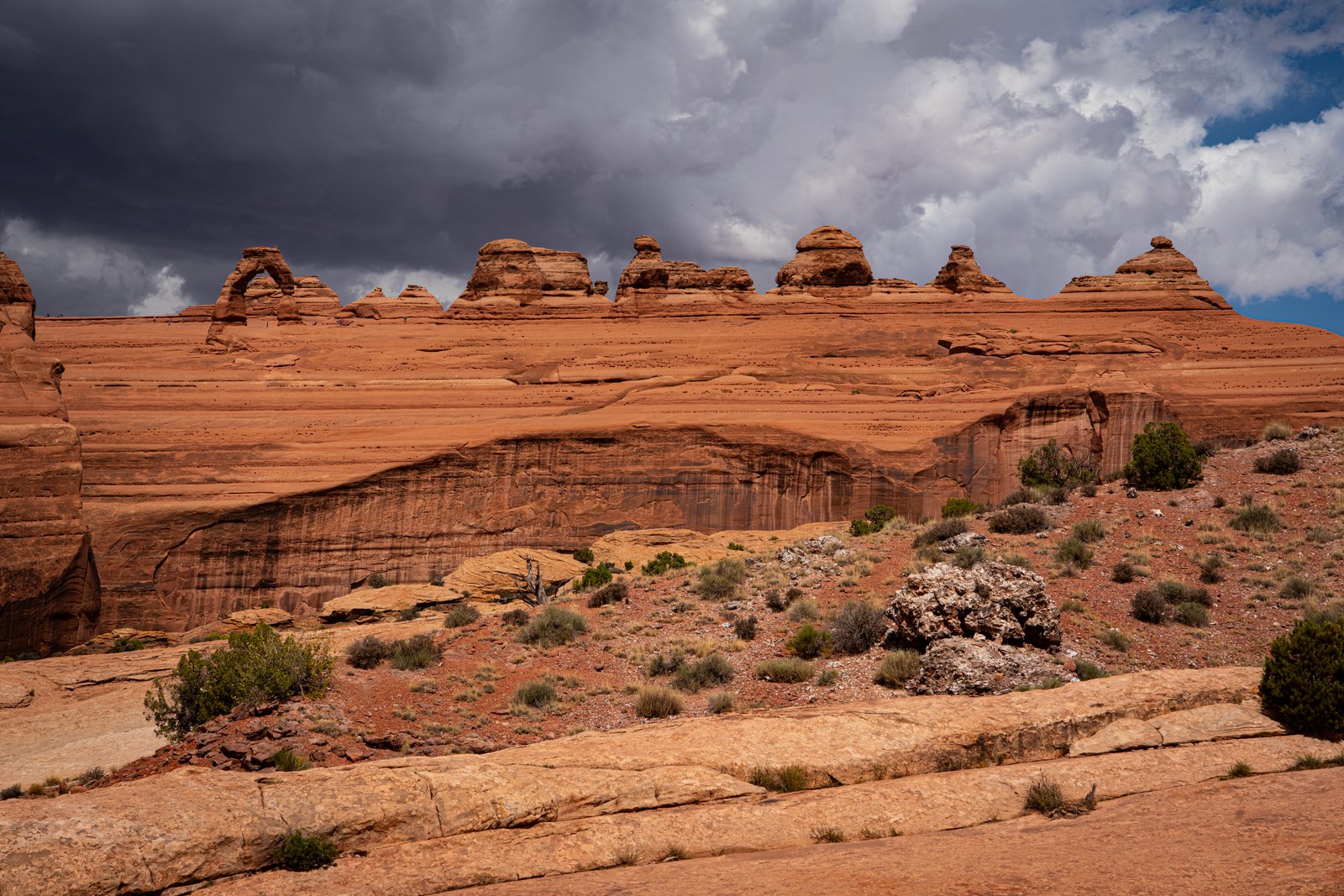
Delicate Arch In Arches National Park
Delicate Arch stands at the far left of a long, scalloped sandstone fin, seen from across a canyon in Arches National Park, Utah, its crest rising in weathered humps and pinnacles under storm clouds breaking to blue, with desert varnish streaking the cliff below and juniper and sagebrush on the slickrock in front. Key Features: The Arch: Delicate Arch stands about 52 feet tall at the edge of a natural sandstone bowl, carved from Entrada Sandstone over millions of years. The Landscape: The surrounding fins and domes are the same sandstone, shaped by frost and water that slowly freed the arch from the rock around it. The Icon: It is the most recognized arch in the park and a symbol of Utah itself. The Weather: Sudden storms over warm red rock are part of this high desert's drama.
Prints from $22Downloads from $19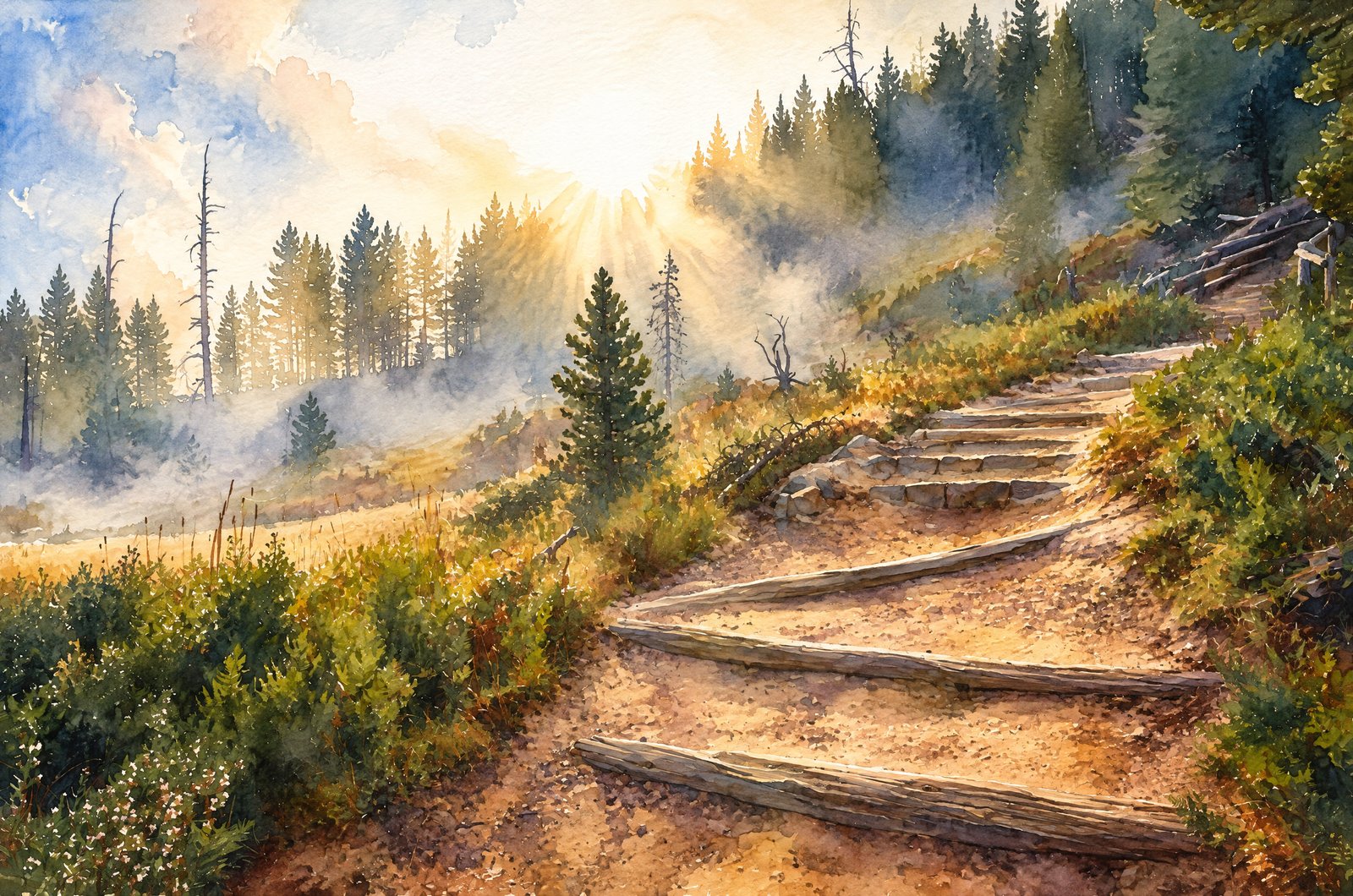 Watercolor
Yellowstone National Park, Wyoming
At dawn, a backcountry trail climbs a wooded hillside above a geothermal basin in Yellowstone National Park, Wyoming, rough timber steps and log water bars winding past young lodgepole pines and bare, fire-killed snags as thick steam from hidden hot springs drifts across the meadow below and catches the low sun. Key Features: The Setting: Yellowstone holds the largest concentration of geothermal features on Earth, more than ten thousand hot springs, geysers, fumaroles and mudpots powered by the volcanic system beneath it. The Forest: Standing dead trees among new growth tell of past wildfires, after which lodgepole pine slowly reclaims the burned hillsides. The Trail: Simple log steps and water bars harden Yellowstone's backcountry paths to the thermal basins beyond the boardwalks. The Light: Rising steam softens the early sun into shafts of light where hot water meets cool morning air.
Prints from $41Prints only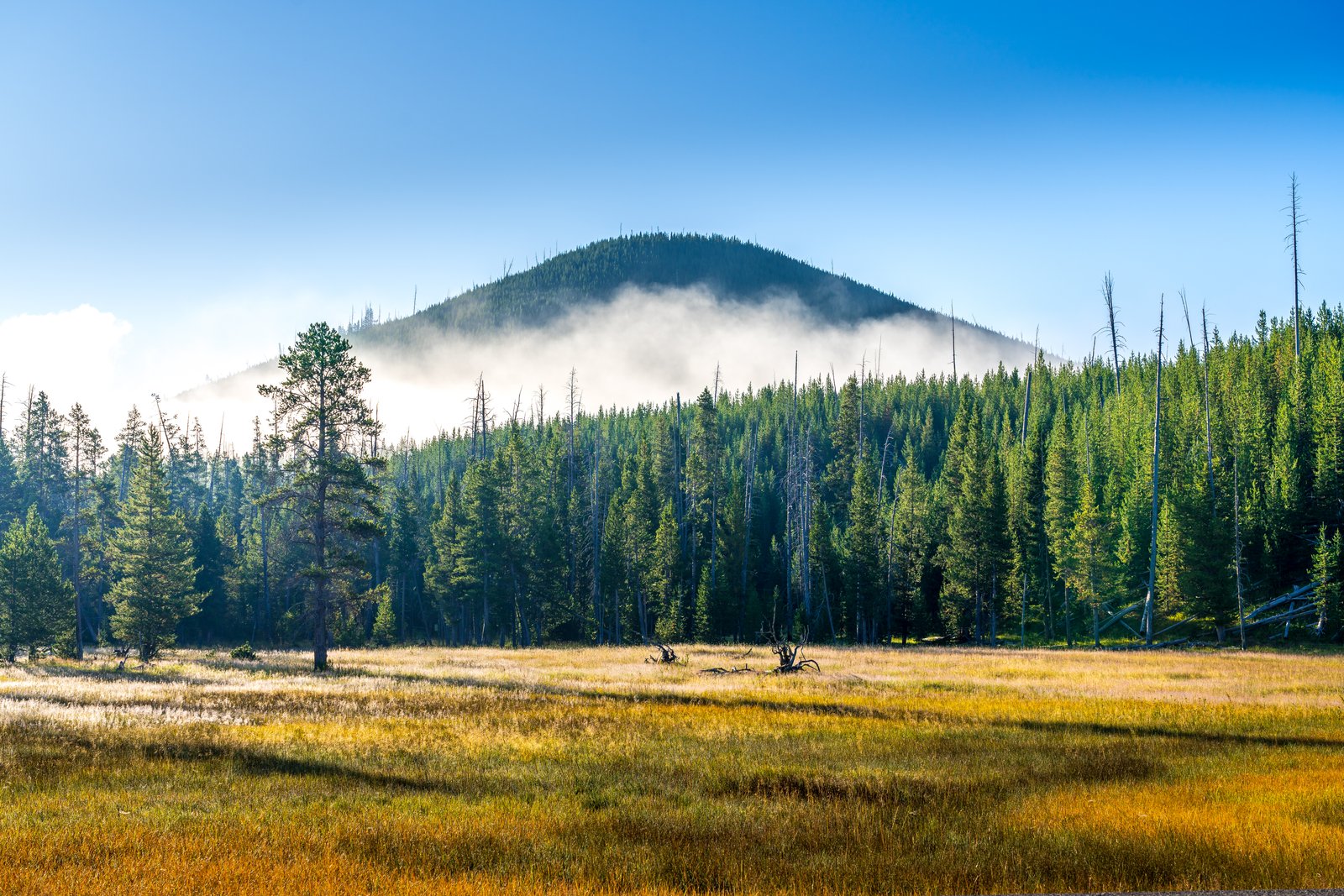
Yellowstone Quiet Subalpine Meadow
Golden grass stretches across a quiet subalpine meadow in Yellowstone National Park toward a dense band of lodgepole pine, with morning mist drifting through the trees at the foot of a broad, rounded hill and silvered snags standing among the living pines. Key Features: Fire Ecology: Many of the gray, standing dead trees are lodgepoles killed in Yellowstone's great fires of 1988, which burned about a third of the park. Regeneration: Lodgepole pine is built for fire, with cones that open in the heat, so thick new growth rises among the old burned trunks. The Meadow: Open grassland ringed by conifer forest and rounded hills is the look of Yellowstone's high plateau. The Mist: Low fog threading through the tree line is a sunrise sight in the park's cool, high valleys.
Prints from $22Downloads from $19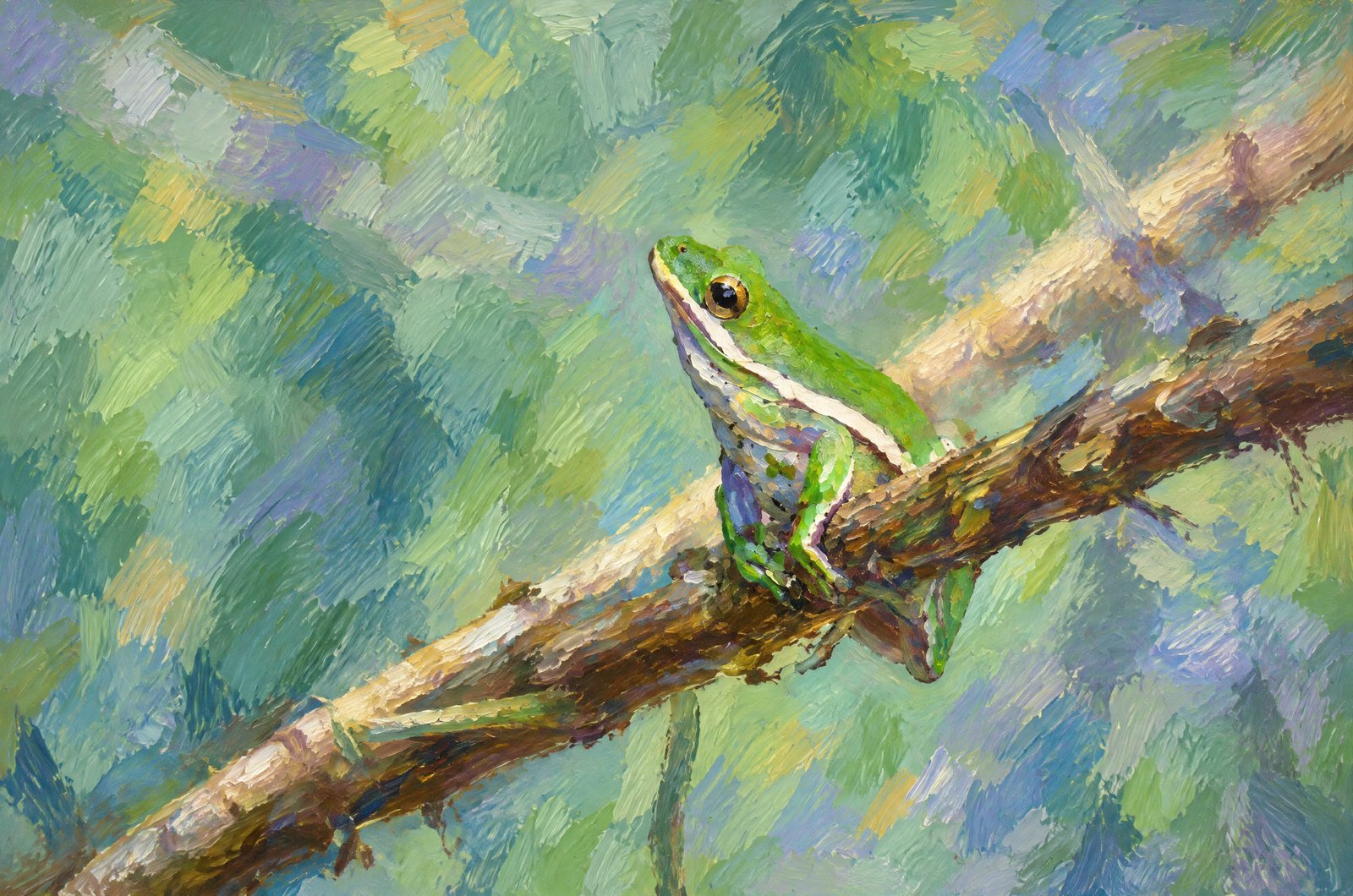 Impressionist
American Green Tree Frog
An American green tree frog perches on a bare twig in profile against a soft green backdrop, its smooth lime-green skin, golden eye and crisp white side stripe in sharp detail. Key Features: The Species: The American green tree frog, Dryophytes cinereus, known for its bright green color and white side stripe. Habitat: It favors lakes, ponds, streams, swamps and wetlands with plenty of plants. Range: Native to the southeastern and central United States, from the Gulf Coast into central Texas and as far north as Delaware and Missouri. The Composition: The pale green blur isolates the frog on its diagonal branch, a classic close-up nature portrait.
Prints from $41Prints only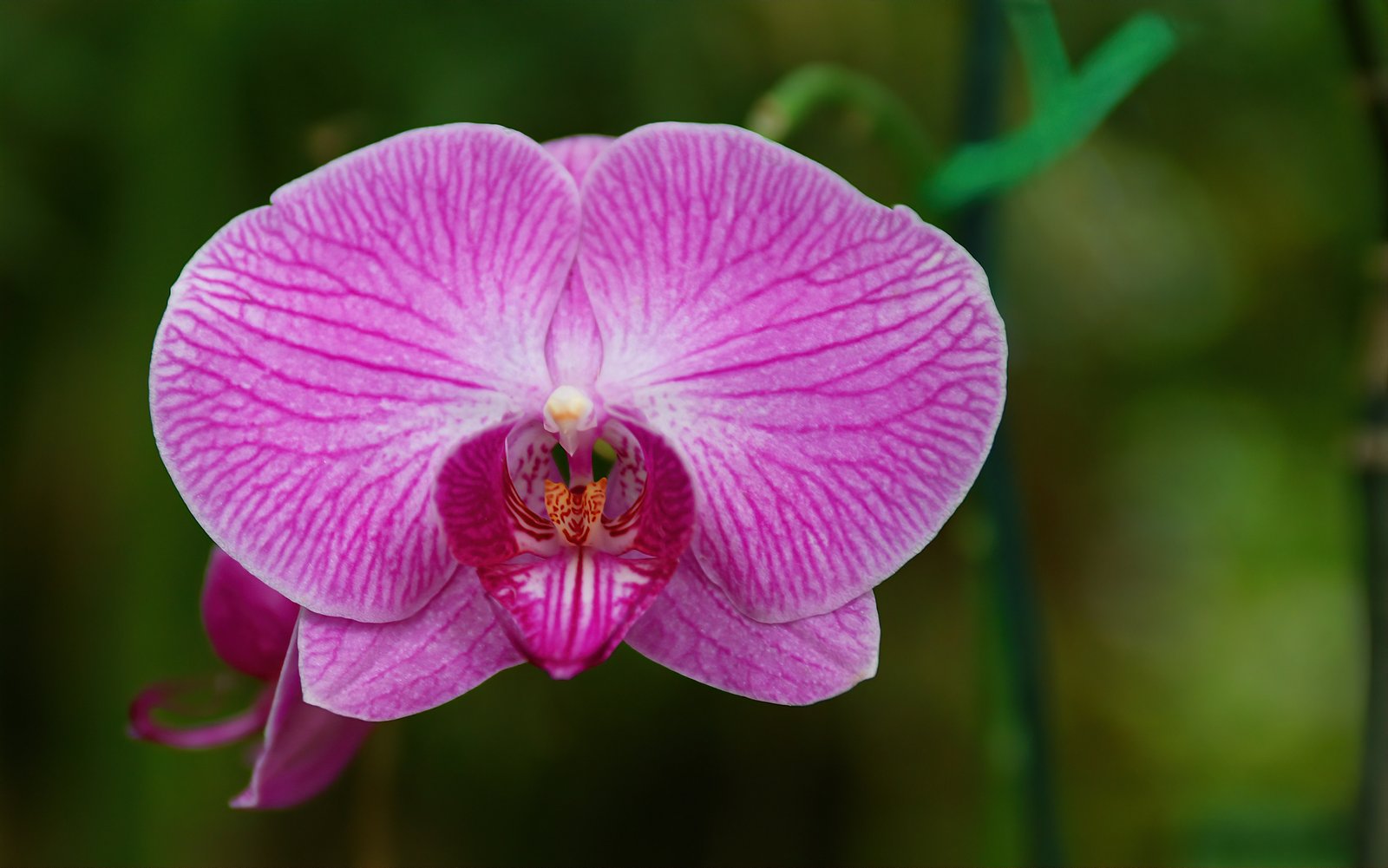
1513 Pink Orchard
A single pink Phalaenopsis bloom fills the frame against a soft green blur, its broad veined petals opening around a white throat and a lip marked in deep magenta and orange, with a curled bud and stem at the lower edge. Key Features: The Flower: Phalaenopsis is a genus of about 45 species of mostly tree-dwelling orchids from India, southern China and Southeast Asia. The Common Name: Called moth orchids, they are popular house plants that bloom again and again with good care. In the Wild: They grow in the tropical and subtropical forests of Southeast Asia. The Bloom: Their petals come in solid colors and intricate spots, stripes and gradients, like the veined pink here.
Prints from $22Downloads from $19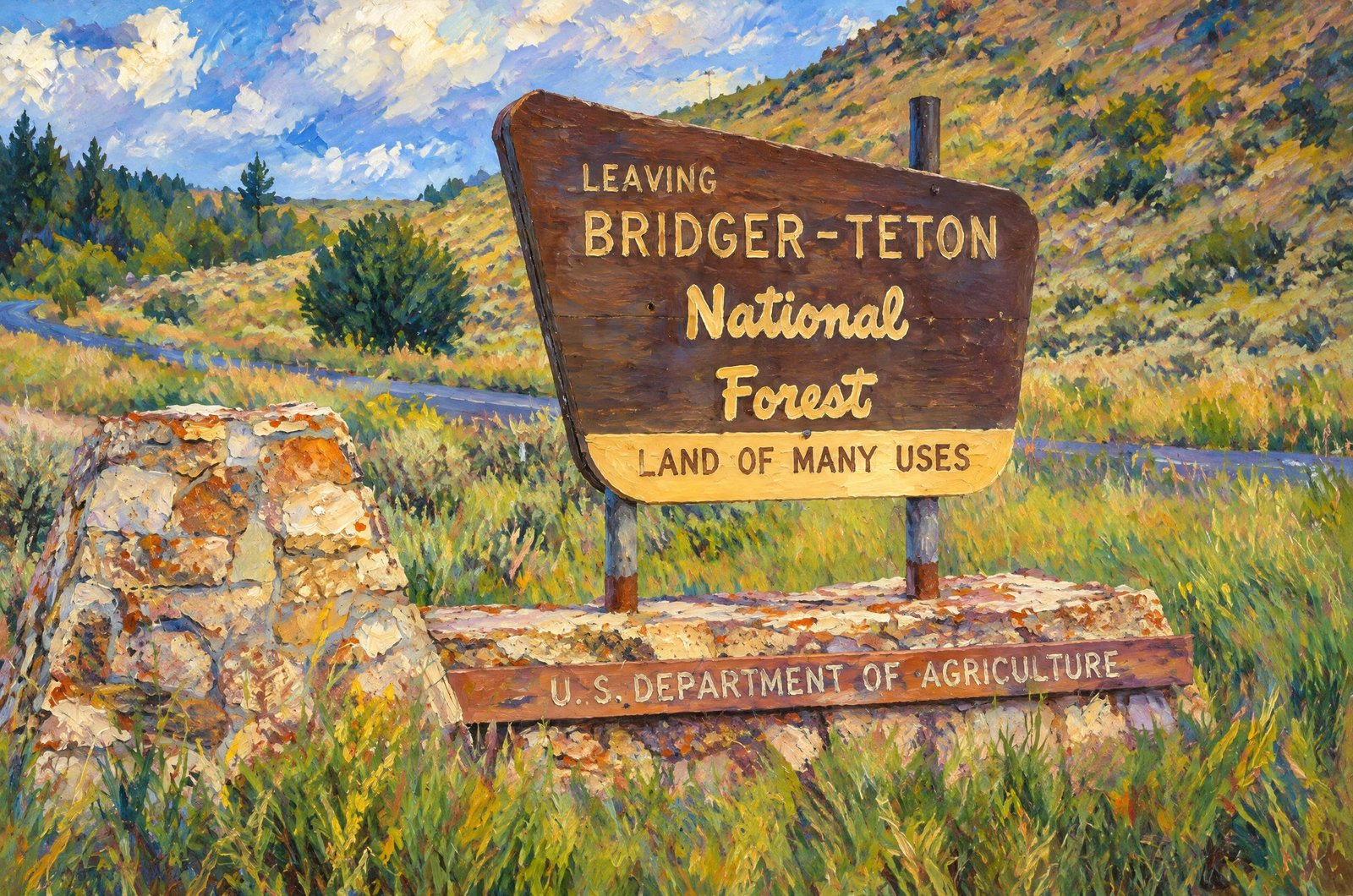 Impressionist
Bridger-Tenton National Forest
A rustic wooden sign on a stacked stone base reads "Leaving Bridger-Teton National Forest, Land of Many Uses" beside a gravel forest road in western Wyoming, with sagebrush hills, a line of conifers and distant mountains marking the change from forest back to open range. Key Features: The Forest: Bridger-Teton covers more than 3.4 million acres of the Greater Yellowstone Ecosystem, one of the largest national forests in the lower 48. Human History: People have lived here for 10,000 years, a history found at more than 800 sites across the forest. The Motto: "Land of Many Uses" is the Forest Service's mission, balancing recreation, grazing, timber and wildlife. The Setting: Sagebrush slopes, a two-lane forest road and a stone and timber marker mark the forest's rural edges.
Prints from $41Prints only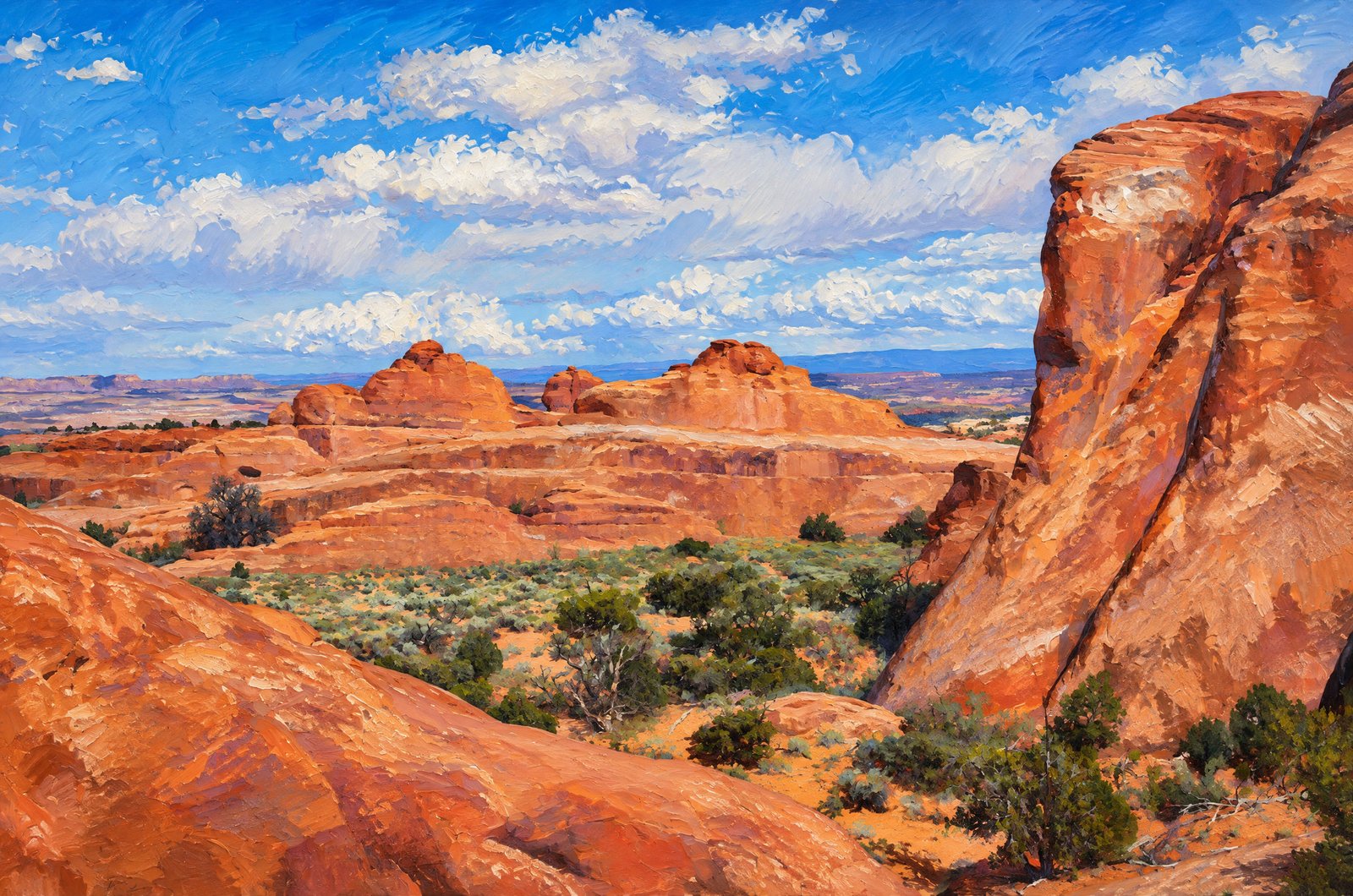 Painterly
Arches National Park Near Moab, Utah
Smooth, rounded slickrock mounds and a tall sandstone wall lead out to clusters of weathered fins above a high desert floor of juniper and blackbrush in Arches National Park near Moab, Utah, across the stretch known as the Petrified Dunes, with a hazy plateau on the horizon under a wide blue sky. Key Features: Petrified Dunes: The rounded humps are ancient sand dunes turned to stone and later bared by erosion, along the park's scenic drive. Rock Strata: The park's colorful layers come mainly from Entrada and Navajo Sandstone, sculpted into fins, domes and arches. Desert Plants: Hardy juniper and blackbrush grow in the sandy washes between the rocks. The Park: Arches protects the densest concentration of natural stone arches on Earth, along with thousands of fins, spires and balanced rocks across its 76,000 acres.
Prints from $41Prints only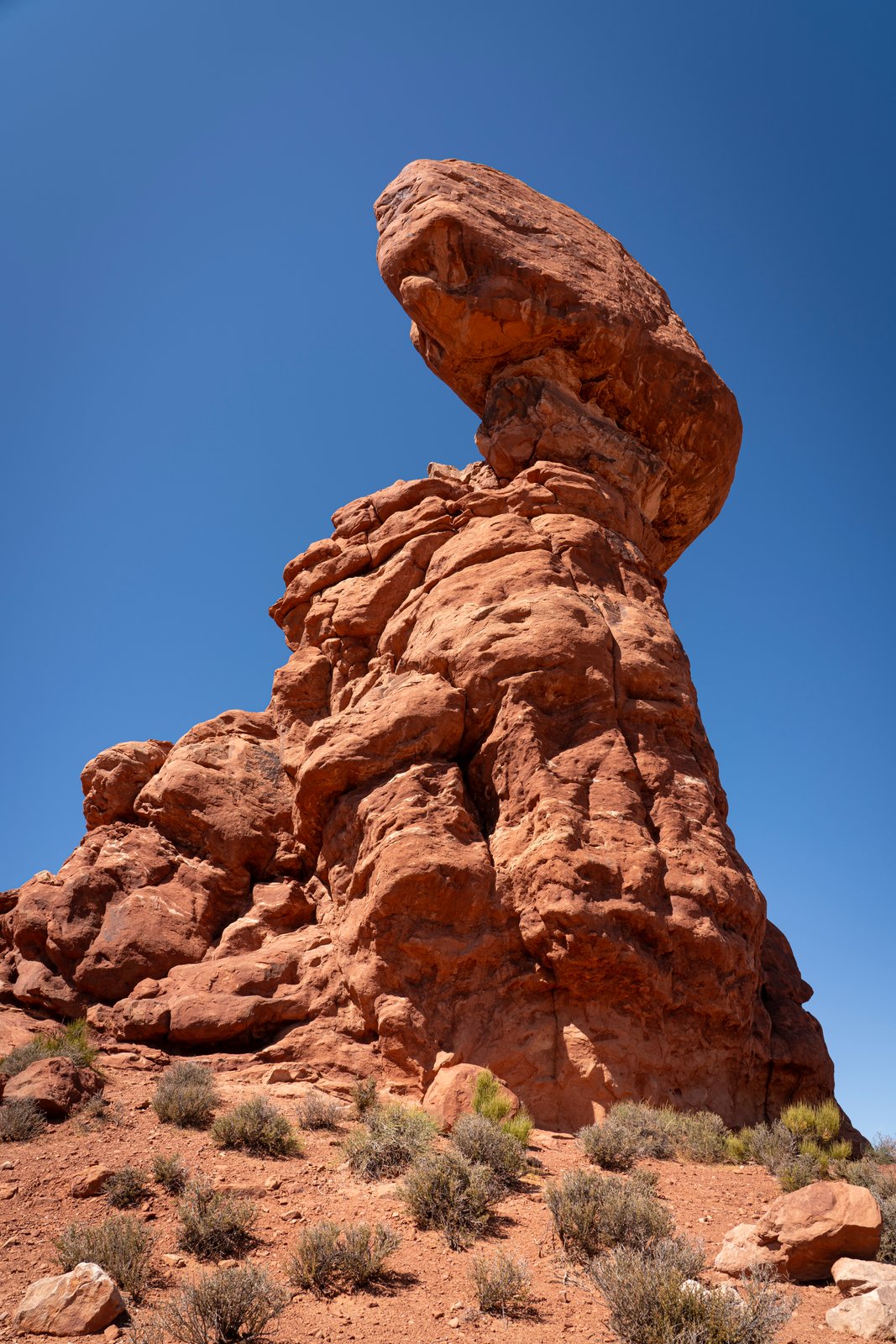
Red Rock High Desert Of Southeastern Utah
A wide, smooth caprock balances on a narrower, deeply sculpted pedestal of sandstone near Moab, Utah, seen straight up from below against a cloudless blue sky, with scrubby desert brush at its base in the red rock country of southeastern Utah. Key Features: The Rock: Balanced rocks like this are Entrada Sandstone, a hard Slick Rock Member cap on a softer Dewey Bridge Member pedestal that wears away faster, until one day the cap falls. The Moab Region: The country around Moab is famous for fins, towers and hoodoos carved from layered sandstone over millions of years. The Setting: Sparse high desert plants and bare red rock surround it, the slickrock country near Arches and Canyonlands. The Process: Wind and water wear the soft rock beneath the hard cap, leaving this precarious balance.
Prints from $22Downloads from $19- Impressionist
Costa Rica's Pacific Guanacaste
A lone white hilltop villa crowns a ridge of dense tropical forest on Costa Rica's Pacific Guanacaste coast, its modern balconies catching the only light beneath a heavy bank of gray-blue storm cloud, with a flowering red flamboyant tree in the foreground. Key Features: The Setting: Guanacaste's lowlands mix tropical dry forest with pockets of lush green that flourish once the rains begin. The Climate: The rainy season runs roughly May through November, often bringing dramatic afternoon storms like the one gathering here. The Architecture: Hilltop homes along this coast are built to catch the ocean breeze and sweeping views over the forested hills. The Flora: The bright red blossoms belong to a flamboyant tree, which blooms vividly in the wet months.
Prints from $41Prints only 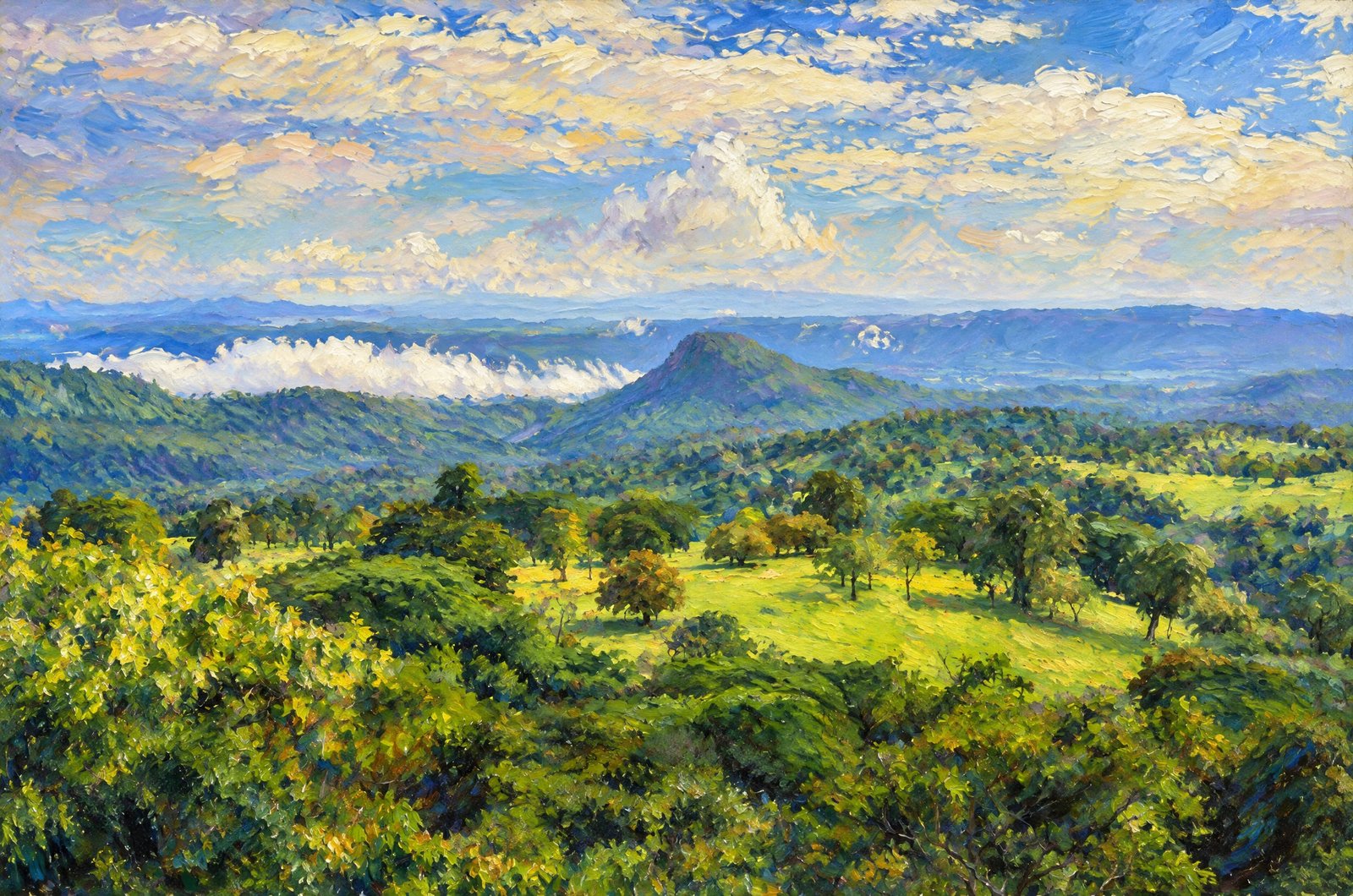 Impressionist
Costa Rica's Guanacaste Province
From a forested ridge in Costa Rica's Guanacaste province, rolling dry forest and cattle pasture run south toward a solitary volcanic cone and the hazy waters of the Gulf of Nicoya, with morning cloud drifting through the valley and scattered shade trees dotting the open grassland in front. Key Features: The Terrain: Rolling volcanic hills and dry forest mark northern Costa Rica, where cleared pasture meets remnant woodland. The Coastline: The province borders the Gulf of Nicoya on the Pacific Ocean. The Volcanoes: Guanacaste's volcanoes, Rincón de la Vieja and Miravalles among them, rise from the heat-soaked northern lowlands.
Prints from $41Prints only